


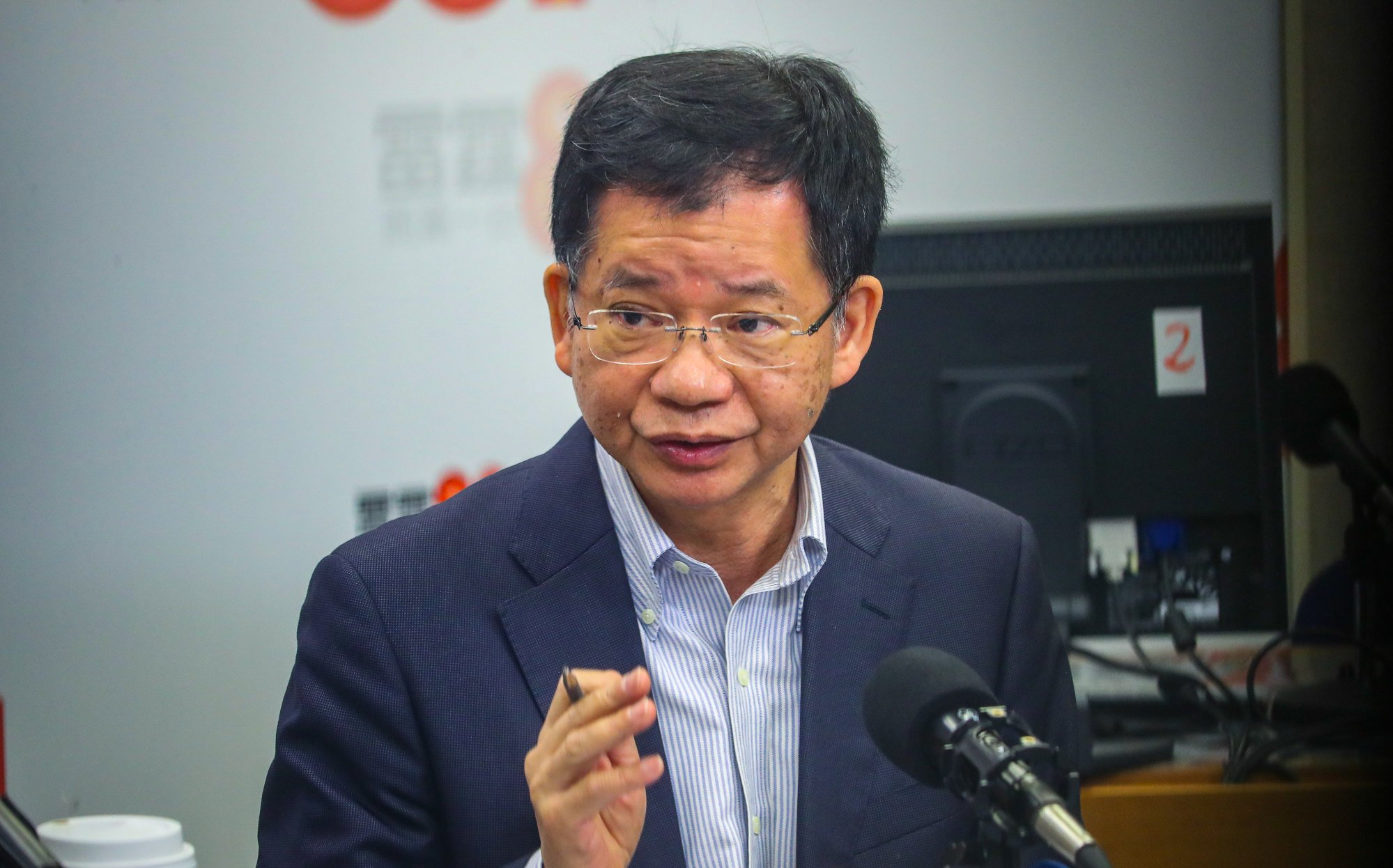
Ho Hon-kuen, principal of the Centre of National History Education (Hong Kong), added on Sunday that all of society should cooperate to show students the importance of history. The subject helped people understand why societies succeeded or failed, he added.
The arrangement will begin with Form Five students in the next academic year.
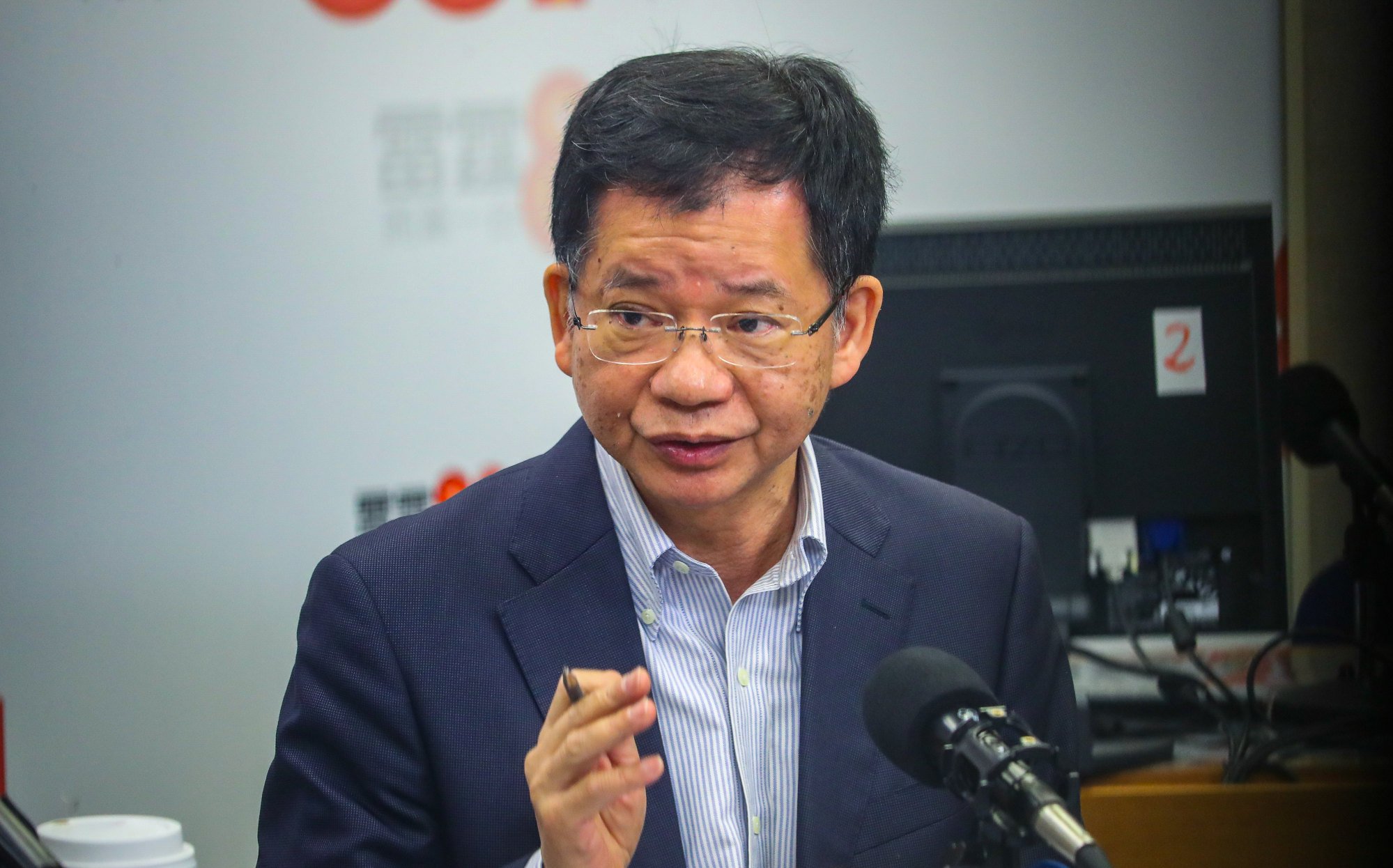
“Studying Chinese history provides inspiration by fostering a broad perspective and drawing lessons from the past … It helps us to gain insights into contemporary China,” Ho told a radio programme.
“But 13 per cent is certainly far from being ideal. I think principals, teachers and the Education Bureau would like more [students to take the subject].”
Ho, a former school principal, argued that whether the amendment would “optimise” Chinese history depended on how principals and teachers perceived the importance of the subject, as well as society’s expectations, which were equally crucial.
Ho said the key to preventing students from stereotyping Chinese history as “boring but difficult to get good marks in” lay with principals, frontline teachers and the bureau, which is in charge of allocating resources.
“I think the three groups should not follow the old way, not act lazy and not turn a blind eye to problems existing,” Ho said, without giving examples.
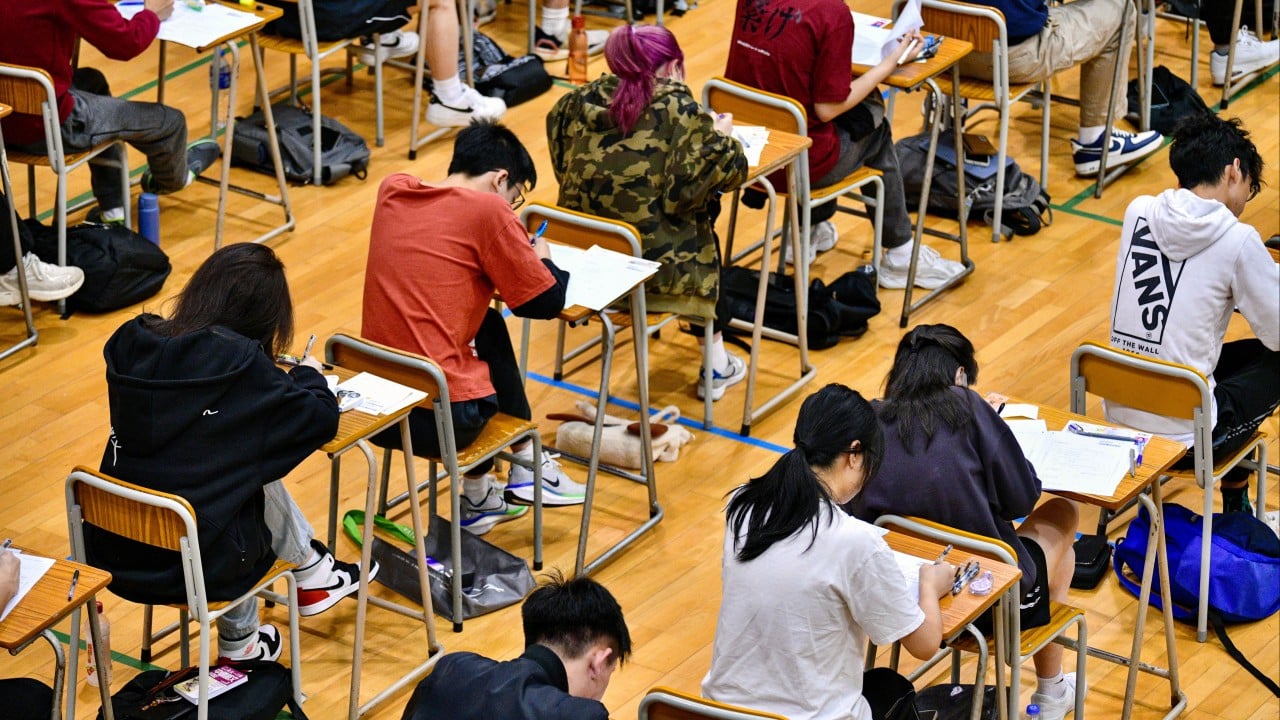
Under the change, pupils will be given the choice of sitting one DSE paper instead of the current two.
Paper 1 accounts for 70 per cent of their grade, while Paper 2 takes up the remainder. If students take only the first one, their maximum grade will be 5 instead of the full 5**.