


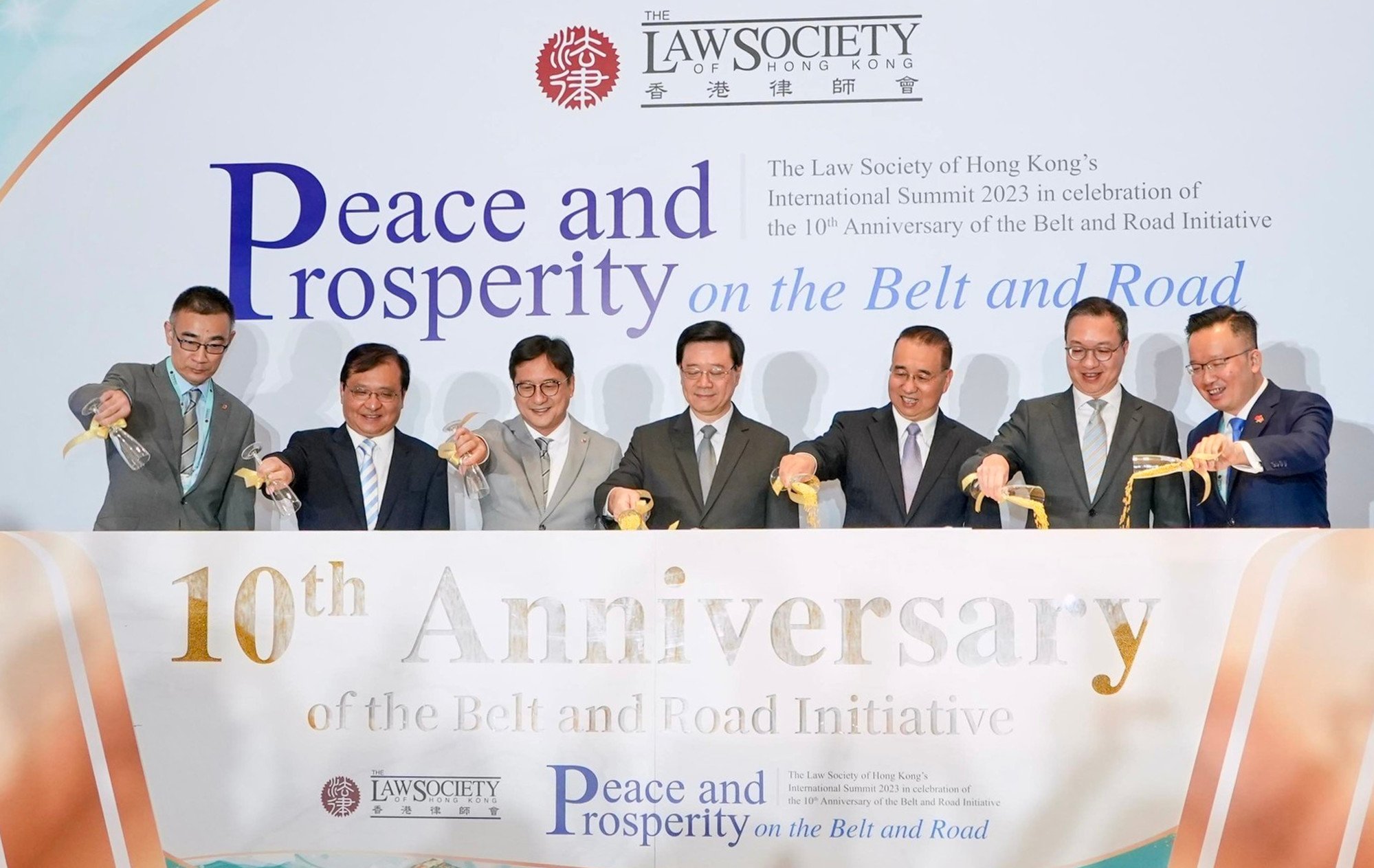
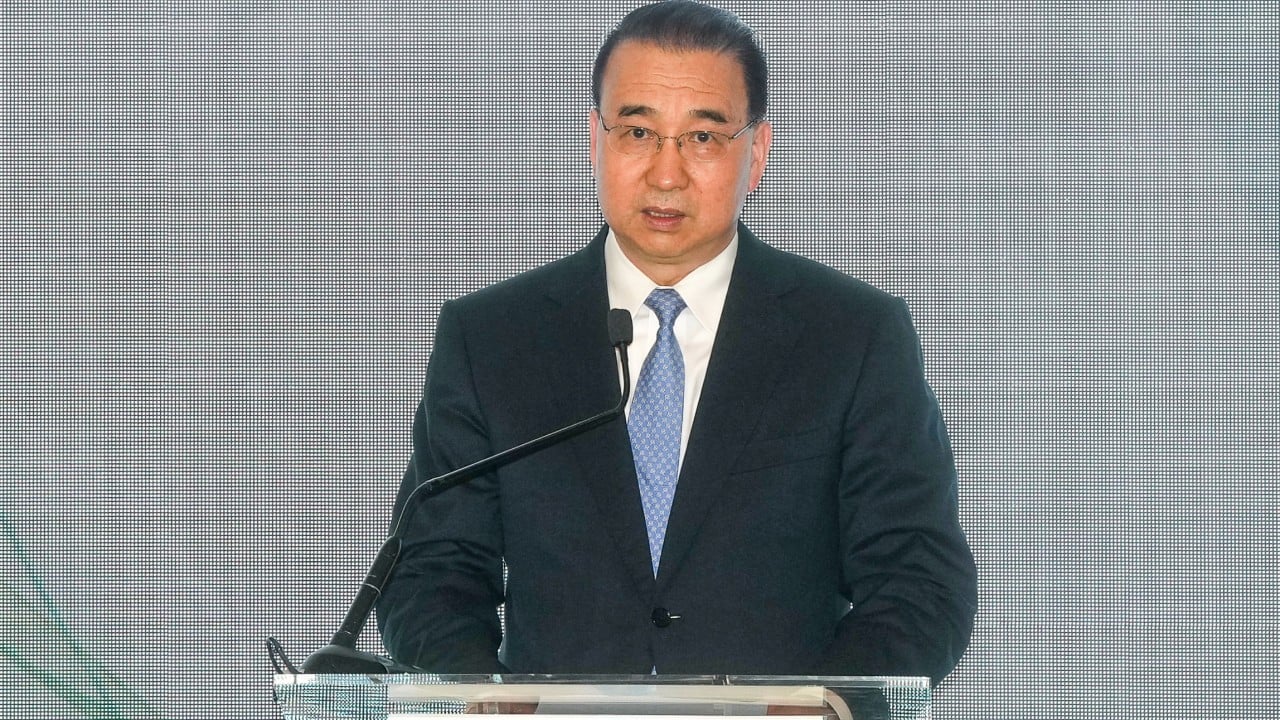
Liu Guangyuan, deputy director of the central government’s liaison office in Hong Kong, also told the sector on Wednesday to leverage its unique advantages and create a highly efficient, convenient and diversified dispute resolution mechanism for belt and road countries.
The belt and road strategy is Beijing’s ambition to link economies in Asia, Europe and Africa into a China-centred trade network.
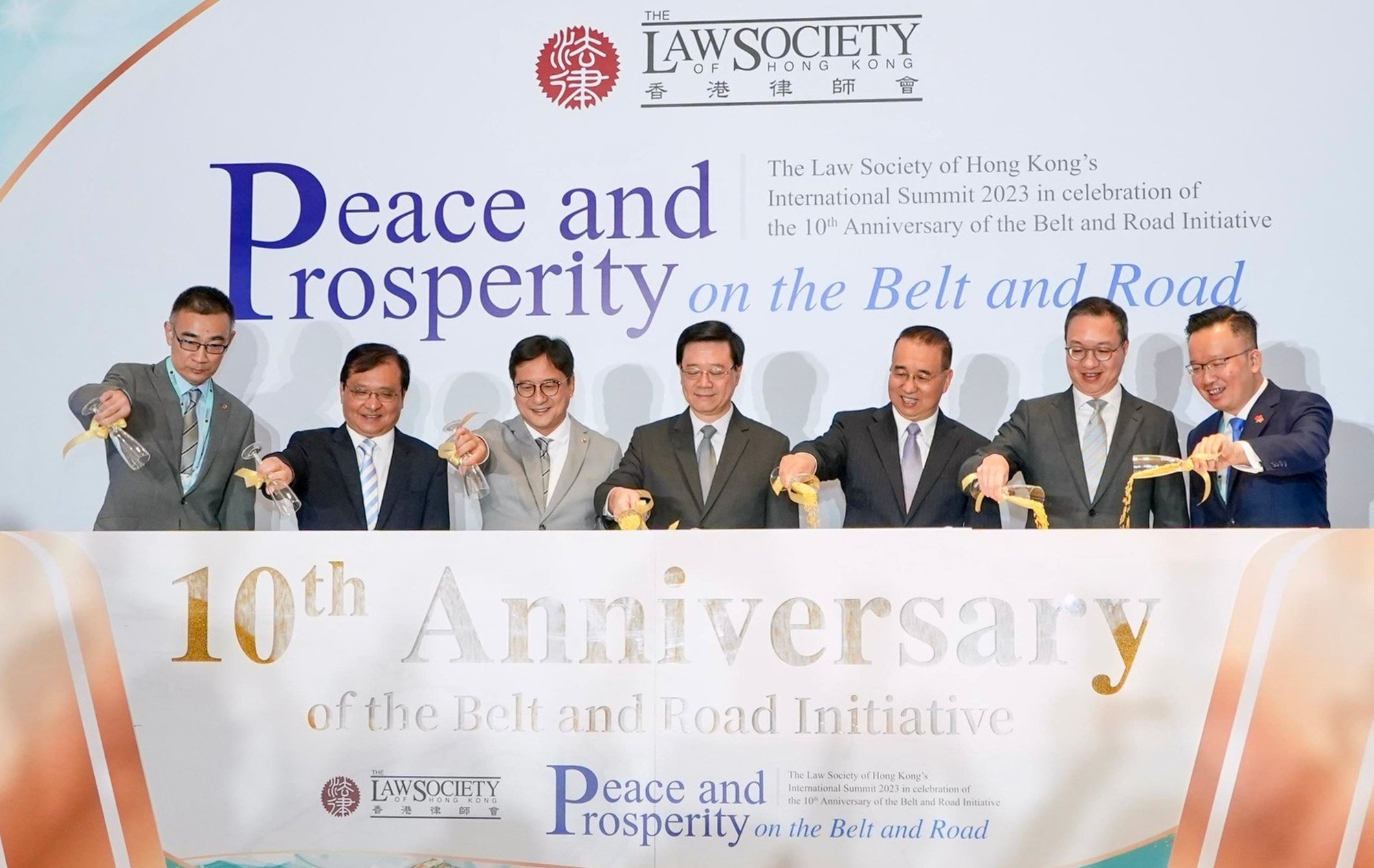
Liu was speaking at the International Summit 2023 held by the Law Society of Hong Kong, with a theme centred on the 10th anniversary of the initiative.
The deputy director hailed Hong Kong’s “irreplaceable and unique” role in promoting policy communication, facilitating infrastructure links, enhancing trade, promoting financial connectivity and improving people-to-people exchanges in the past decade.
He also stressed that it was necessary for Hong Kong to firmly uphold the constitution and the Basic Law, the city’s mini-constitution, in order to consolidate the rule of law.
“Providing legal support to optimise the business environment is an important way for Hong Kong to contribute to the belt and road strategy,” Liu, formerly Beijing’s top diplomat in Hong Kong, told summit attendees.
China must beef up belt and road tech amid US curbs, Italy exit plan: analysts
China must beef up belt and road tech amid US curbs, Italy exit plan: analysts
“At the same time, the legal profession should actively participate in international exchanges, serving as envoys to tell the story of Hong Kong’s legal system, and enhance the reputation of Hong Kong’s legal system.”
The Beijing official added that Hong Kong, the only jurisdiction in China to practise the common law system, could “seamlessly” connect with the world, and should fully leverage on the advantage to align rules and regulations for belt and road countries, noting the discrepancies in legal systems across jurisdictions.
Liu also called on the legal sector to build the city into a “competent” resolver of cross-border disputes by creating a highly efficient, convenient and diversified dispute resolution mechanism for regions participating in the initiative.
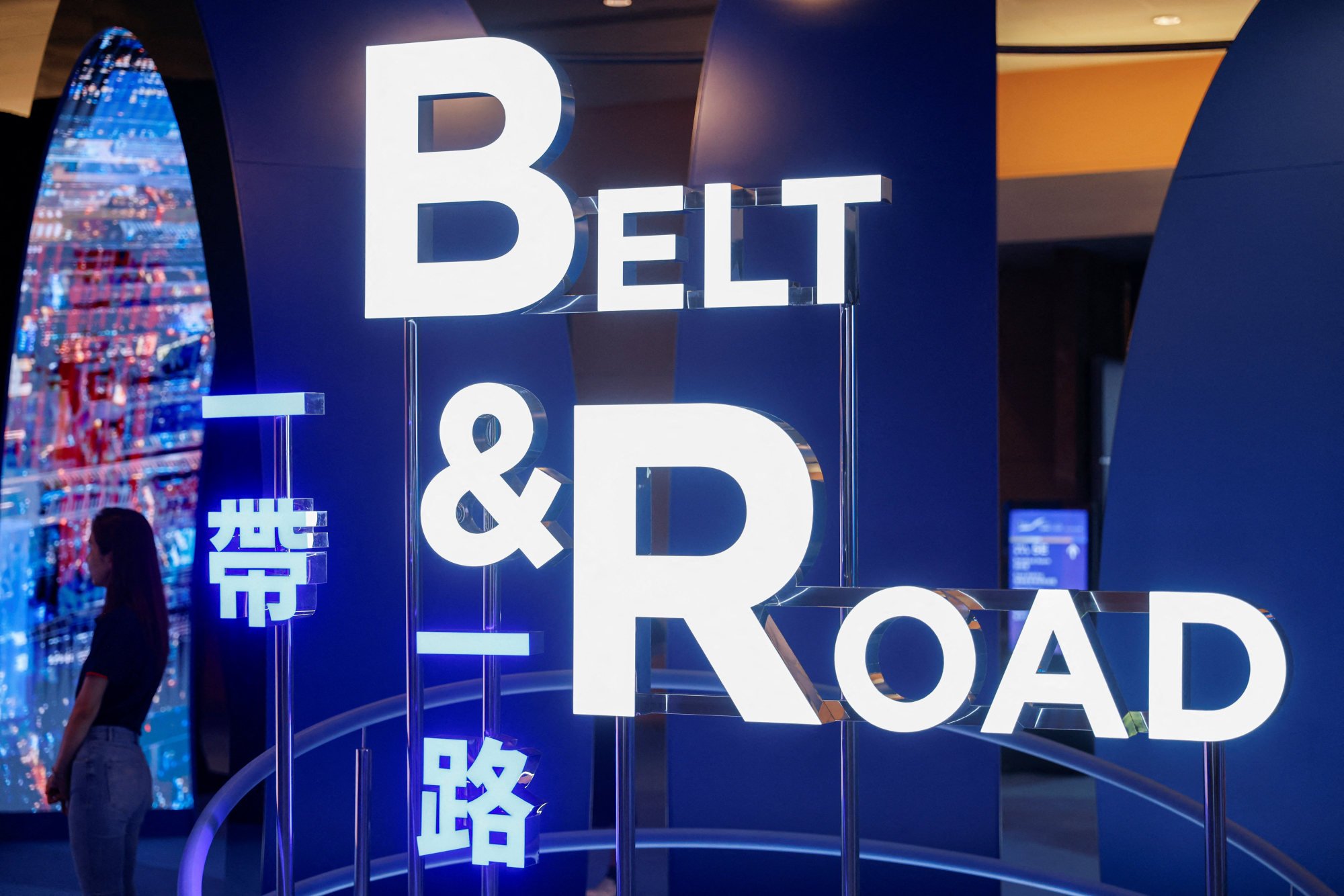
He noted Hong Kong was one of the top three most-preferred arbitration centres in the world and had been tasked to become an international legal and dispute resolution centre in the Asia-Pacific region under the 14th Five-Year national development plan.
Hong Kong Chief Executive John Lee Ka-chiu, at the same event, hailed the city’s advantages in its international legal service standard and status as a dispute resolution centre, citing its common law system, open and independent judiciary and legal talent who had expertise and an understanding of both international law and Chinese legal culture.
‘Strong bar’ in Hong Kong enables independent judiciary, association head says
‘Strong bar’ in Hong Kong enables independent judiciary, association head says
He also called on local lawyers to “provide the best possible professional legal services” in the development and implementation of projects under the belt and road plan.
Secretary for Justice Paul Lam Ting-kwok said the city, as a “proactive” player of the initiative, would spare no effort in promoting its position as an international legal dispute resolution centre.
During the Belt and Road Summit held in the city last month, Chinese Vice-Premier Ding Xuexiang, the sixth-ranked Politburo Standing Committee member, said Beijing supported Hong Kong in maintaining its unique advantages, such as its common law system, an open business environment and global links, which could help the city play a bigger role in the national initiative.