



Hong Kong property management companies employed at public housing estates will stand a better chance of securing government contracts if they successfully identify cases of tenants abusing resources under a little-known policy, according to an official.
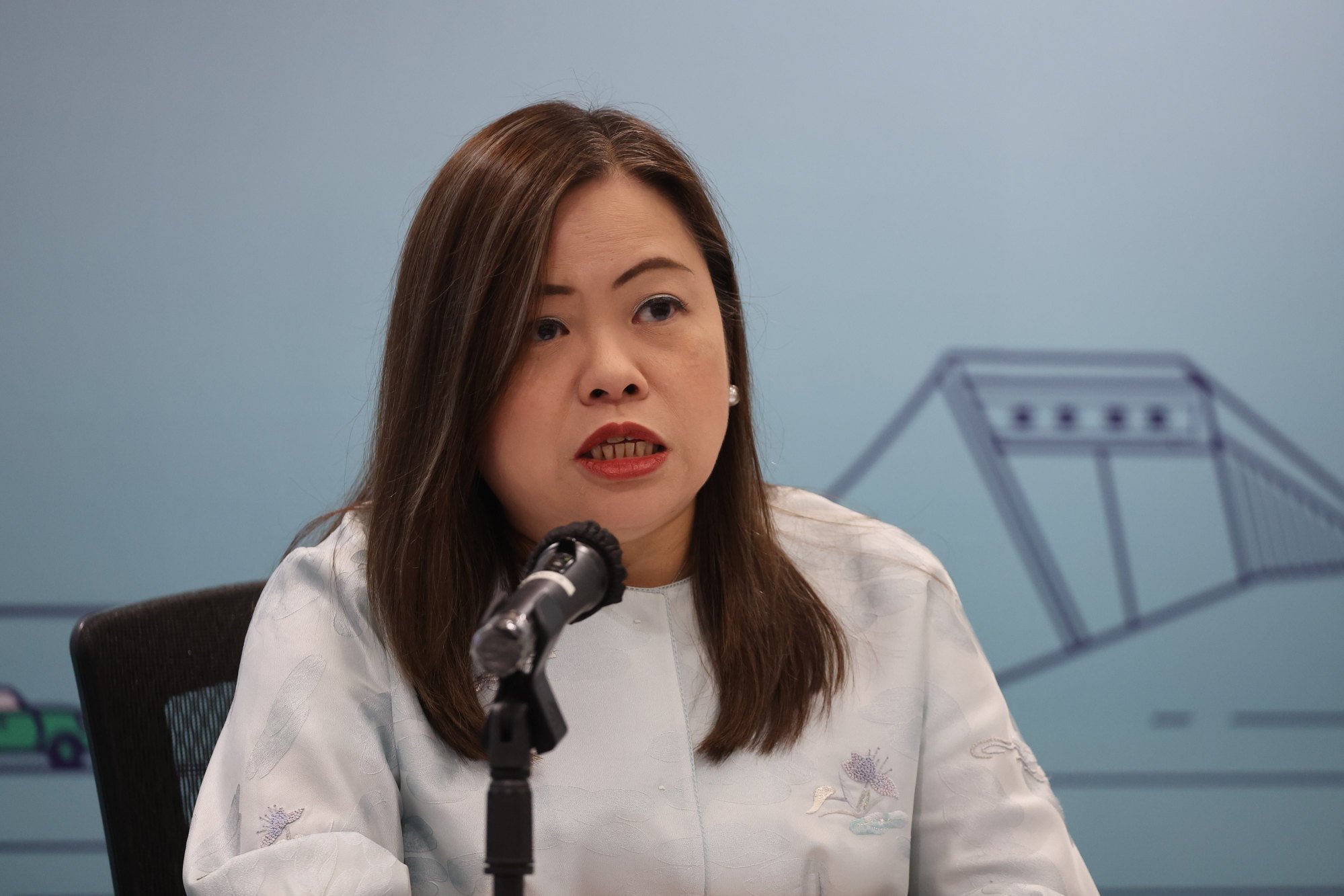
Director of Housing Rosanna Law Shuk-pui on Tuesday said the property management companies would be graded every month under new criteria, with their performance serving as a reference for future contracts with the Housing Authority, the city’s major public housing provider.
“The scores of these firms will go up if they can identify these abuse cases and report them to us, especially in the chasing and following up process which eventually leads to the reclaiming of flats,” she said.
“This can incentivise them to pay more attention [to housing abuse matters] and help the government take a step further to combat this issue.”
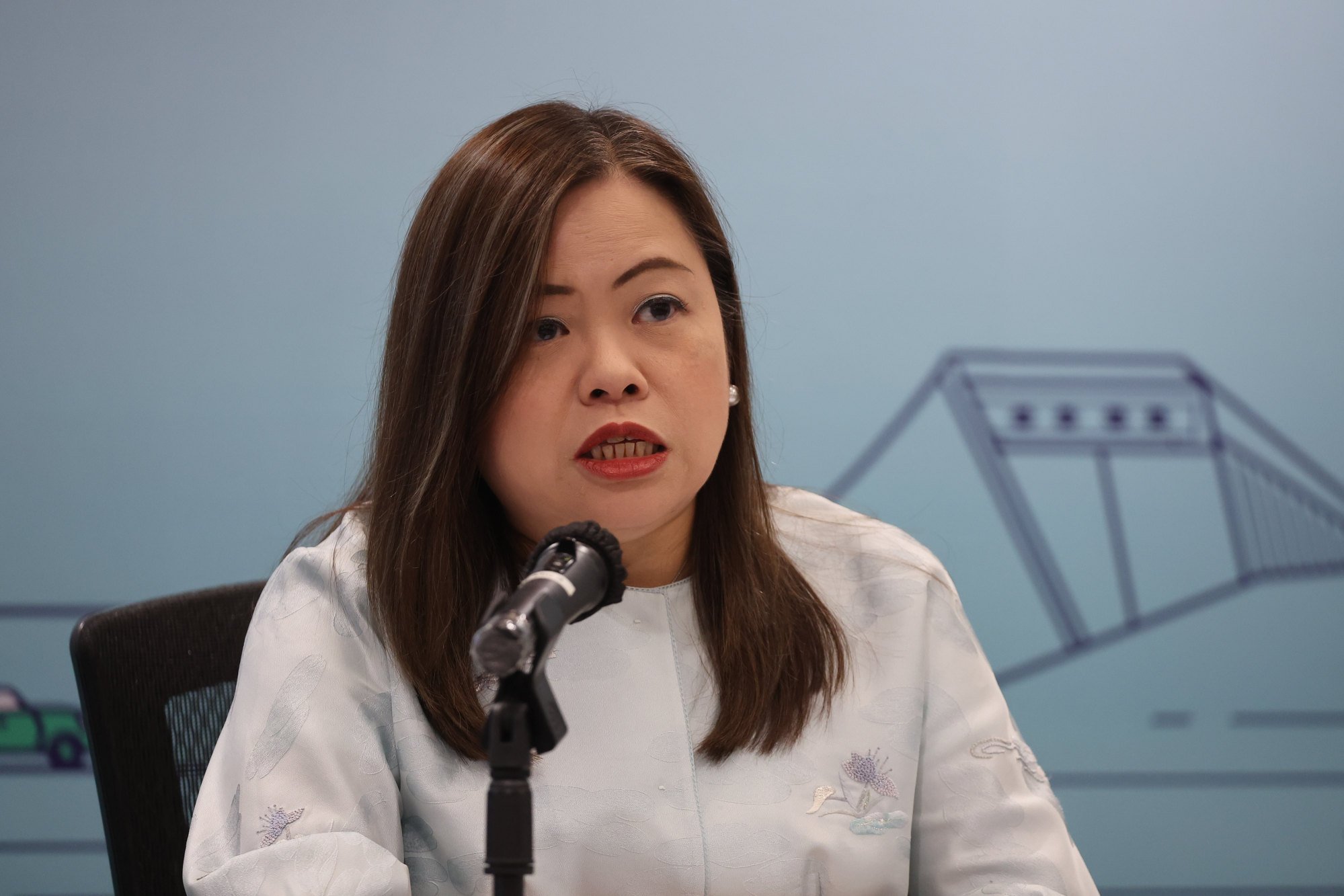
Law stopped short of saying when the new grading criteria would take effect.
But a sector representative said the new criteria had been implemented last quarter.
Under current rules, public housing tenants who do not live in their flats for more than three months are deemed to be abusing public resources, as are those who sublet their homes or engage in illegal activities.
Residents must vacate their flats if they are found to have abused public housing resources.
Those who have committed misdeeds – such as littering, obstructing public areas and causing noise nuisance – must also move out of their homes if the number of strikes against their names passes a certain threshold.
Law said property management companies could also get a better grading in their monthly performance if they identified errant households.
Hong Kong public housing provider predicts HK$4 billion deficit in 4 years’ time
Hong Kong public housing provider predicts HK$4 billion deficit in 4 years’ time
Industry veteran Jonathan Lee Man-kwong said the measure could put more pressure on property management staff as they would have to worry about how feedback channels affected their relationship with public housing tenants.
“It will be more feasible if the authority can provide operating and inspection guidelines for property management companies,” he said, citing examples of setting benchmarks for residents who fail to consistently stay in their flats.
Johnnie Chan Chi-kau, former president of the Hong Kong Association of Property Management Companies, said the sector was already inspecting public flats and reporting suspicious cases to the authority.
He said the government had introduced the incentive last quarter as it stepped up measures in combating the abuse of public housing resources.
Authorities find nearly 60 Hong Kong public sector households own private homes
Authorities find nearly 60 Hong Kong public sector households own private homes
On top of existing housing rules, new regulations were enacted last October after Kwong Kau, 66, the former father-in-law of murdered model Abby Choi Tin-fung, was found to have owned a luxury home while buying a subsidised flat.
One regulation stipulates that public housing tenants declare whether they own any residential property in Hong Kong every two years.
Those with private property have to give up their rental flats.