


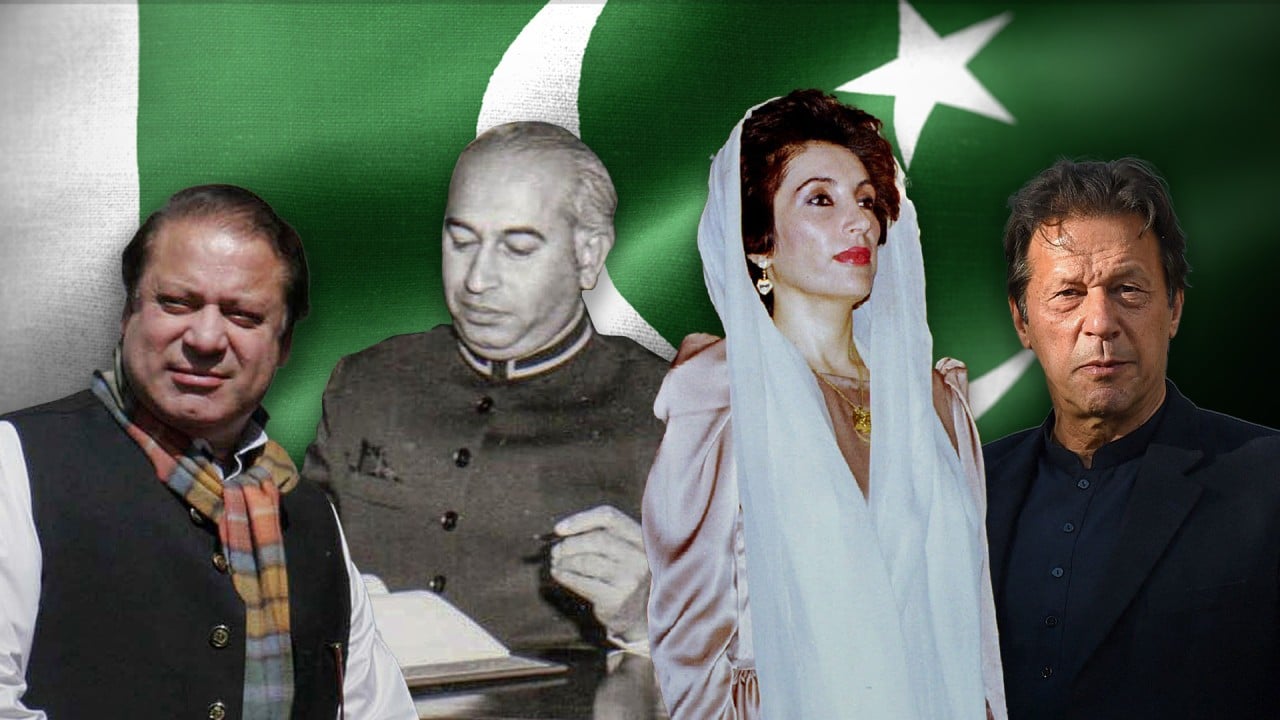
So just how will Pakistan’s political changes affect its foreign policy?
Zardari is likely to try to influence the country’s foreign – and domestic security and economic – policies in an effort to pave the way in the next general election for his son, Bilawal Bhutto Zardari, to become prime minister.
04:22
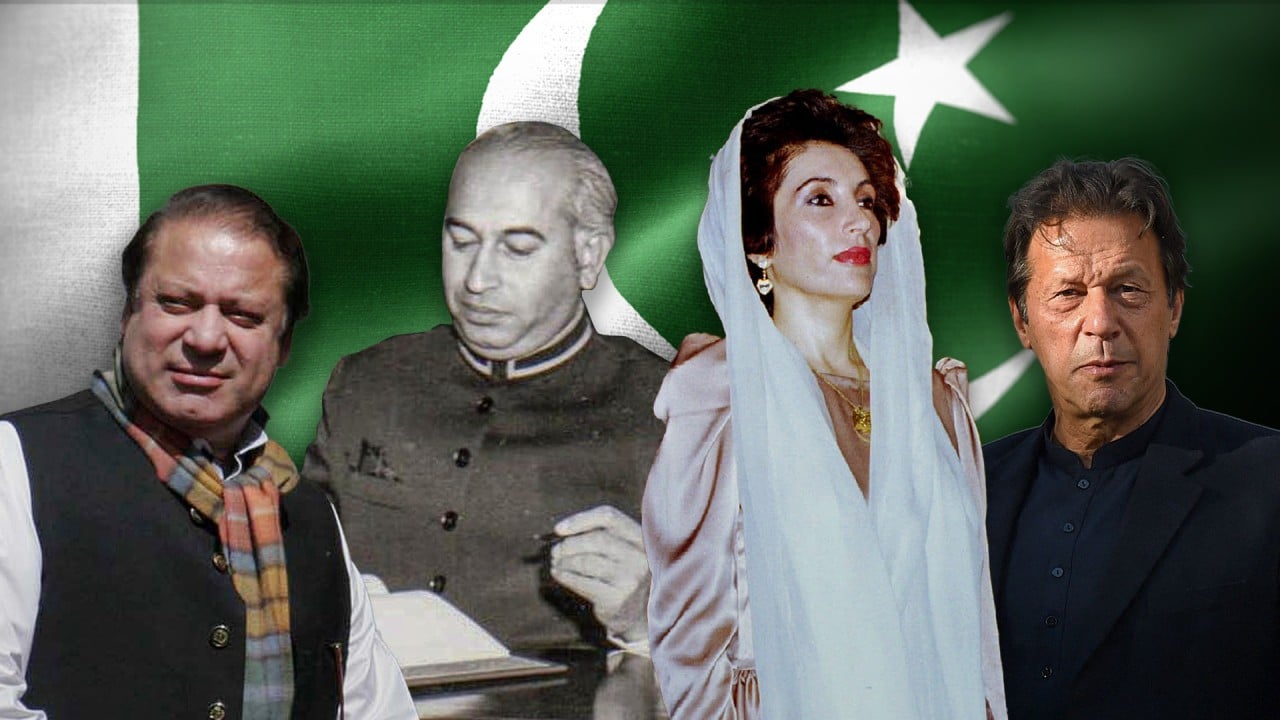
Pakistan’s history of jailed leaders
Pakistan’s history of jailed leaders
01:36
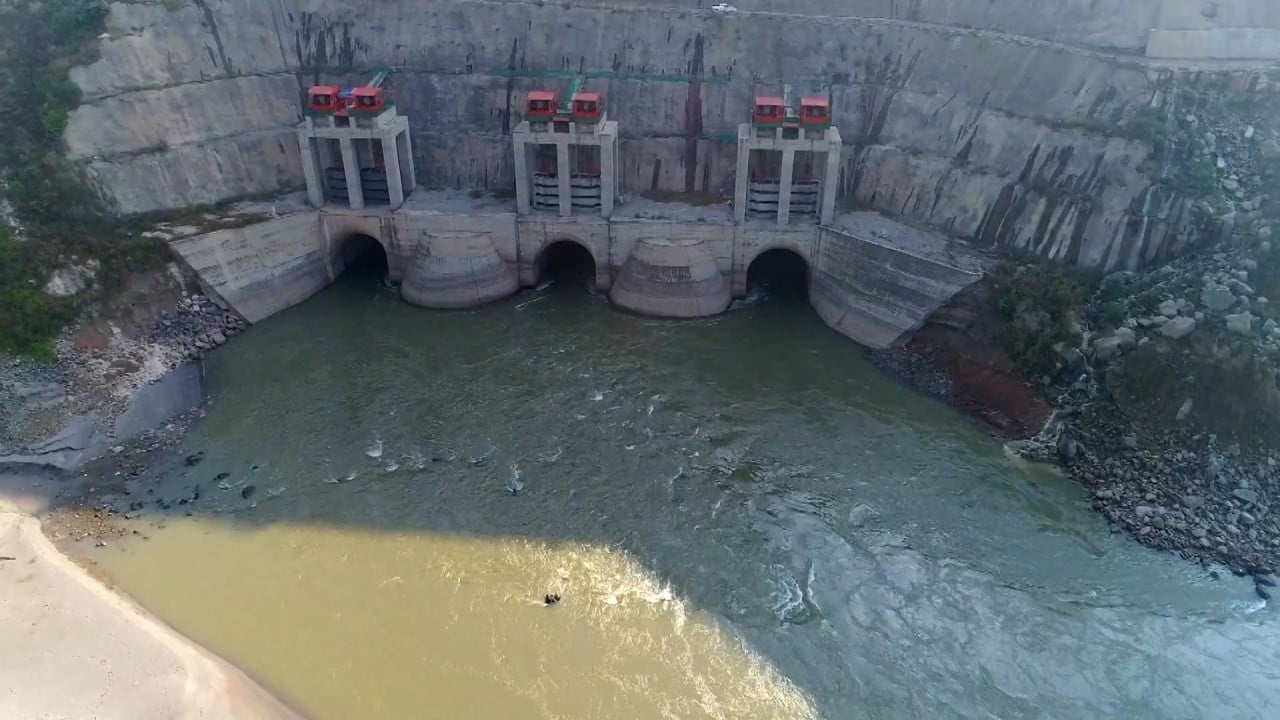
China-funded hydropower station set to sharply reduce Pakistan’s carbon emissions
China-funded hydropower station set to sharply reduce Pakistan’s carbon emissions
While economic uncertainties may linger due to political, economic and security instability, the strategic and military dimensions of Pakistan’s relationship with China are expected to stay strong.
Islamabad sees value in maintaining positive ties, given the leverage the US holds in international institutions to influence Pakistan’s economic and diplomatic interests.
Why Pakistan’s ‘unwieldy’ new coalition won’t faze China and the IMF
Why Pakistan’s ‘unwieldy’ new coalition won’t faze China and the IMF
While Islamabad participates in China-led economic and security structures, it also engages in just enough cooperation with the US to avoid adverse consequences. Despite expanding strategic cooperation with Beijing, Pakistan continues to project its military and strategic significance to the US. These developments are not mutually exclusive.
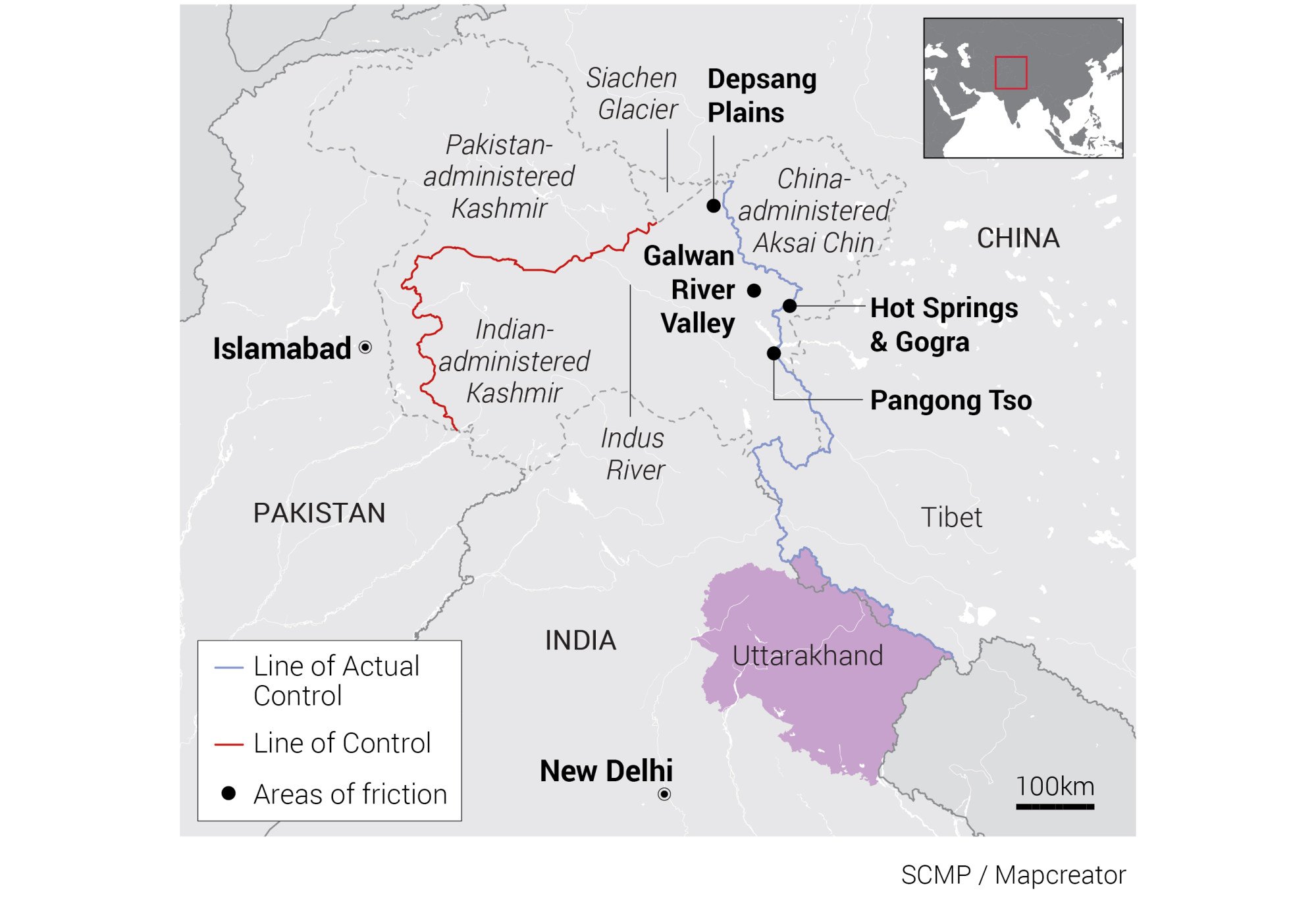
Encouragingly, the issue of terrorism, which has historically strained relations between the two nations, appears to be decreasing in intensity. While there may still be sporadic incidents involving Kashmir separatists targeting Indian security forces, it is increasingly challenging for India to attribute these actions directly to Pakistan.
Modi-backed Article 370 film rankles as political jousting moves to cinema
Modi-backed Article 370 film rankles as political jousting moves to cinema
Despite the apparent status quo, however, the animosity and distrust between India and Pakistan are detrimental to both countries, especially considering their nuclear capabilities.
There is a glimmer of hope that both nations can find the space to build trust and mitigate the acrimony. With a coalition government in Pakistan, which typically signifies a weaker but also more moderate administration, there is an opportunity for meaningful dialogue with India.
With a prime minister and president both enjoying the support of the army establishment, Pakistan could begin to look at constructively engaging with India. With hope, this new political landscape could pave the way for more neighbourly relations, with both sides sharing the political credit for a new and friendlier era.
Asma Khalid is an independent researcher and former visiting fellow at the Stimson Center