


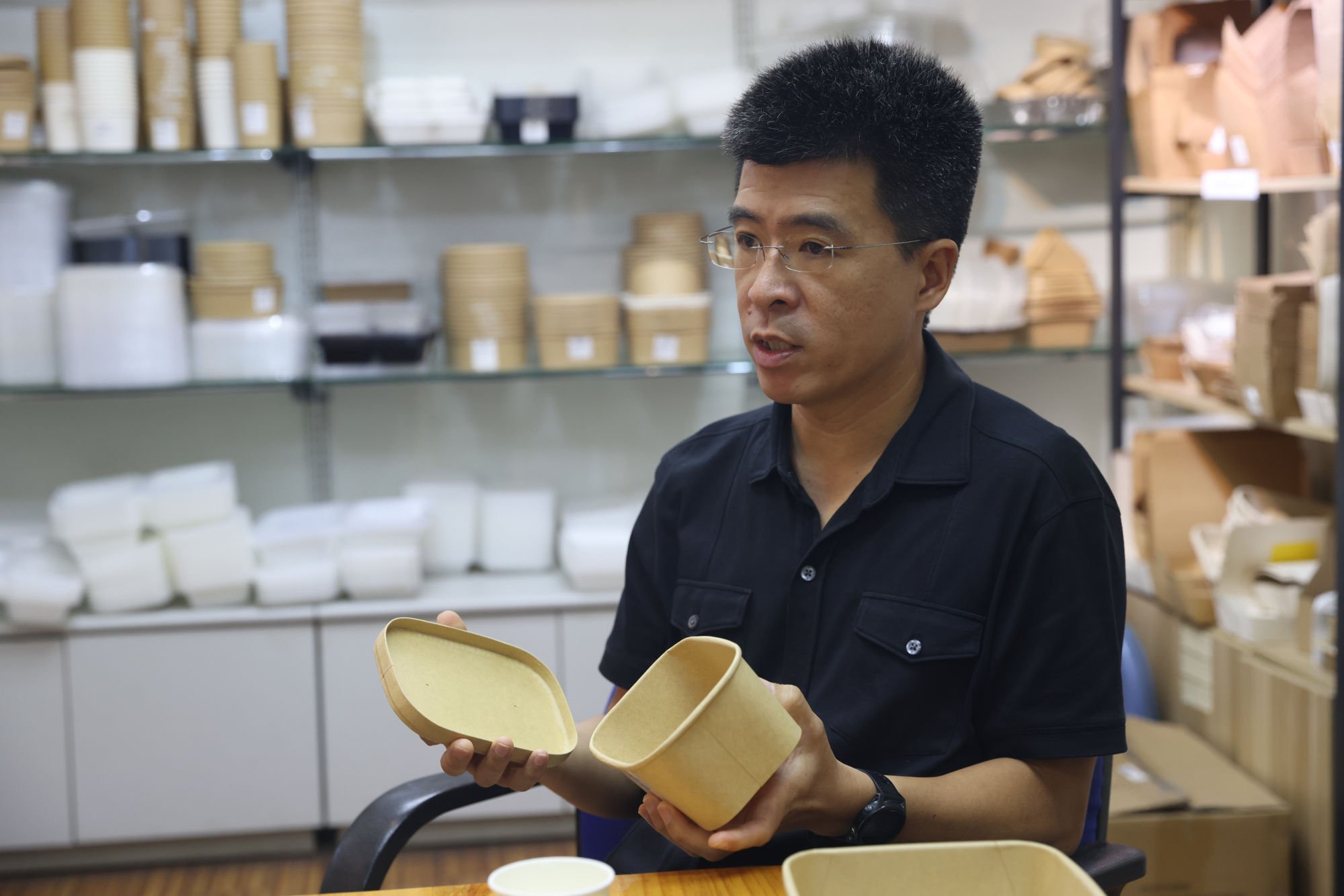
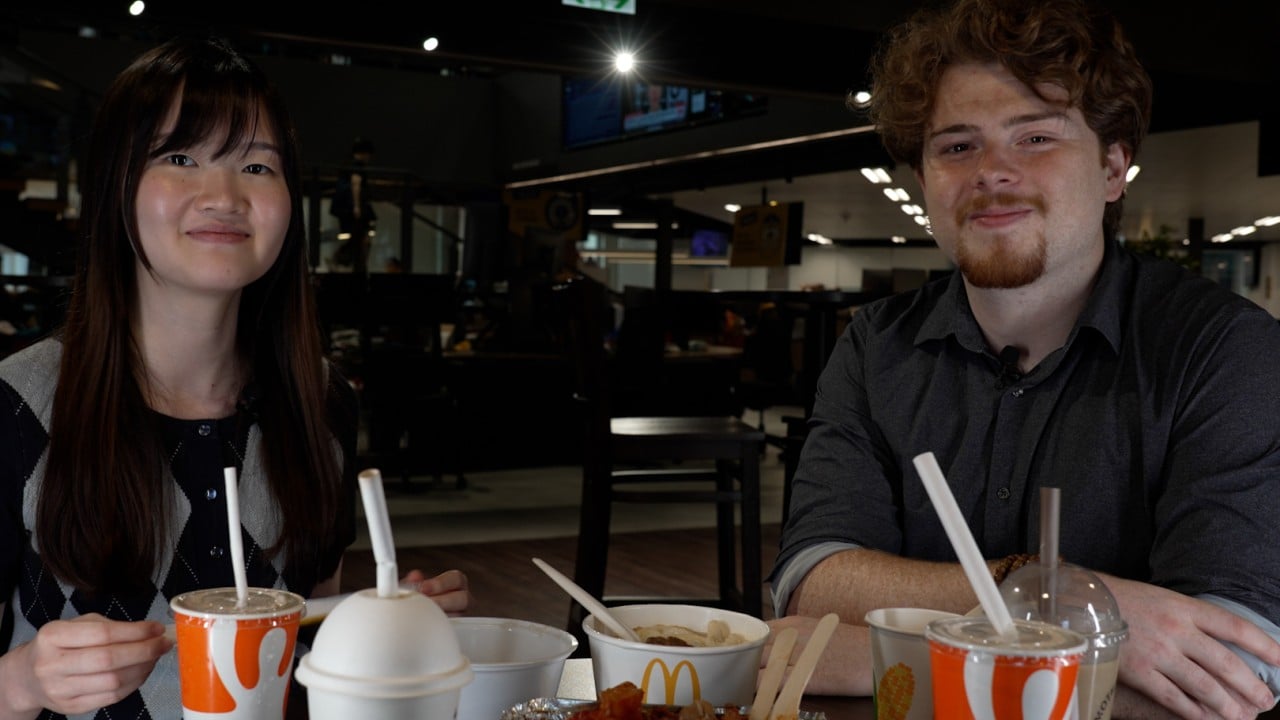
The manufacturer’s operational pivot is in response to the government’s ban on single-use plastics, with the first stage taking effect on April 22.
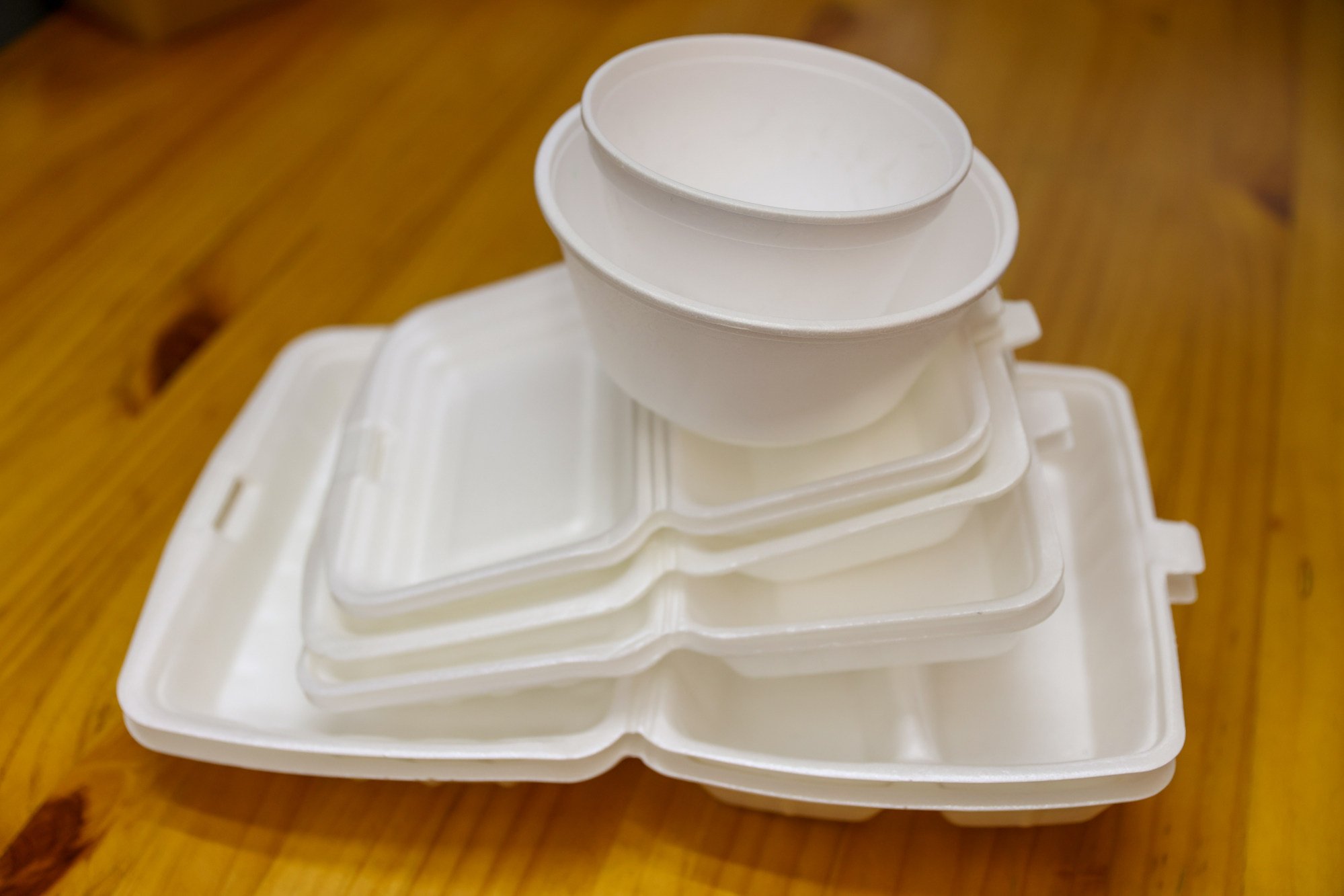
Under the policy, businesses are banned from selling or providing styrofoam and other disposable plastic tableware, such as forks, spoons, plates, knives, straws and stirrers for dine-in or takeaway.
Single-use cups, cup lids or food containers are also prohibited for customers sitting in to eat.
The second phase is expected to launch as early as next year and will ban all uses of throwaway plastics at restaurants, including plastic food containers, six-pack yokes for canned drinks, tablecloths, disposable gloves and plastic-stemmed dental floss.
Before Yee Wah Global turned its hand to making plastics, it started out 60 years ago by making paper bags, then later began selling single-use utensils in the 1970s.
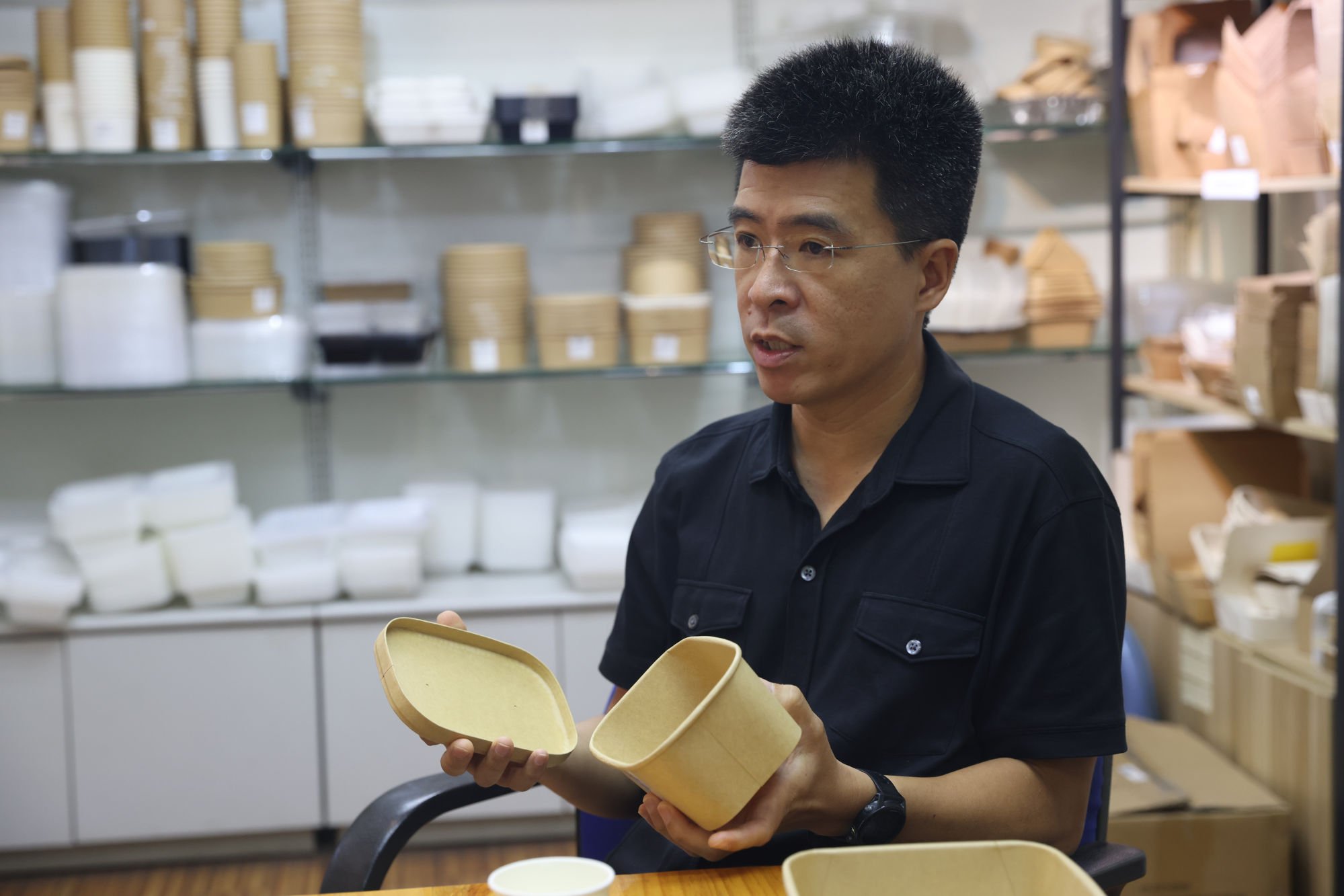
The company expanded its operations to producing styrofoam in 1998 and set up a factory in Guangdong province’s Huizhou in 2012.
The business said it once produced 20,000 batches of styrofoam containers a month, far more than the few thousand from its competitors.
But the manufacturer shut down styrofoam production at the end of last year in anticipation of the ban.
The company said it expected only 10 per cent of its machinery involved in the process could be resold, with the rest likely to be scrapped.
Yee Wah Global said it had fortunately expanded operations to include paper containers in 2016 after noticing a demand in mainland China.
Leung estimated the company had spent between HK$3 million (US$383,900) and HK$4 million on shifting their business focus since that year.
Responding to concerns that non-plastic tableware warped or broke easily, Leung said he believed some suppliers or restaurants could have compromised on quality by using cheaper options or not testing their utensils before distributing them.
Yee Wah Global’s marketing manager said devising alternatives involved a long process of trial and error that included testing out various non-plastic materials.
Such efforts also entailed liaising with manufacturers and suppliers, as well as modifying designs, he said.
The company last year opened a new factory in Jieyang, Guangdong province, that started churning paper bowls, boxes and cups, with HK$60,000 to HK$80,000 also invested into a new water-based protective lining.
The shift was prompted by the government’s plan to ban plastic polyethylene coatings in the policy’s second phase.
Leung said most paper-based containers on the market used such coatings to protect against moisture and oils.
He added that one possible alternative was plant residue-based bagasse, but most versions of the product contained fluorine, which could increase the risk of cancer.
06:03
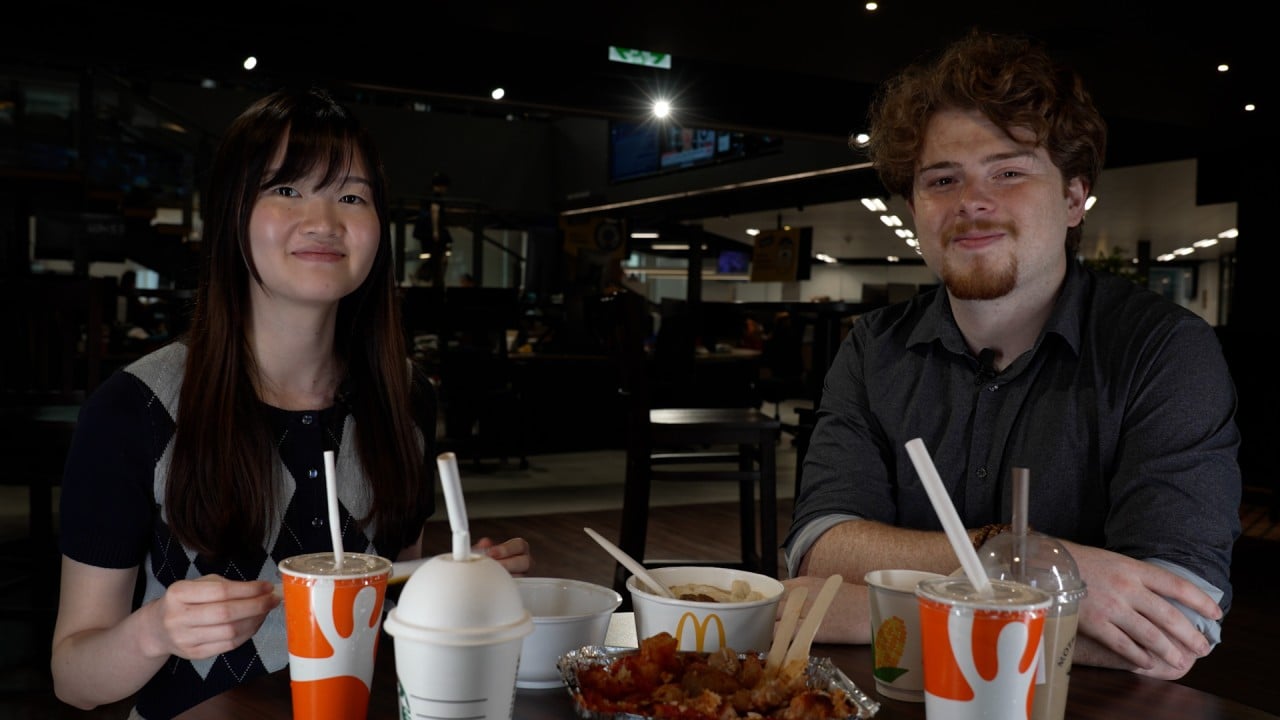
Testing out eco-friendly utensils for takeaway food under Hong Kong’s single-use plastic ban
Testing out eco-friendly utensils for takeaway food under Hong Kong’s single-use plastic ban
But those without the chemical would be three times more expensive to make, he said.
Leung said the company had already created paper cups using a new coating, while the designs for its bowls and boxes had been adjusted.
Aside from coating issues, he said the company had taken steps to firm up the lids of paper cups and boxes by making sure their edges were even.
Leung said designing non-plastic tableware also needed to take factors specific to Hong Kong into account.
“Many paper or bagasse containers originated in Western countries. It is less common for them to put rice or noodles in oily soup,” he said. “As a result, those containers perform perfectly when used for Western food, but that is not the case for Asian cuisines.”
Such tableware needed to undergo an extra degree of sterilisation before storage to prevent insects or mould resulting from the humid weather in the Guangdong area, he said.
“If we as Hong Kong companies do not modify our products and upgrade our quality, it is very difficult to compete with other manufacturers on the mainland,” he noted.
Leung said the company could potentially lose 30 per cent of its business following the ban.
“There may be people who stop using throwaway tableware as some restaurants may charge extra for that,” he said.
But Leung said the company would continue to explore methods that lowered the production costs for non-plastic tableware.
He said the business had invested HK$50,000 into a research project by a mainland university to develop a formula for making straws out of rice at a cheaper cost, and would consider creating their own wooden and bamboo products.
“It can be a business opportunity when we can do something that others cannot,” he noted.