


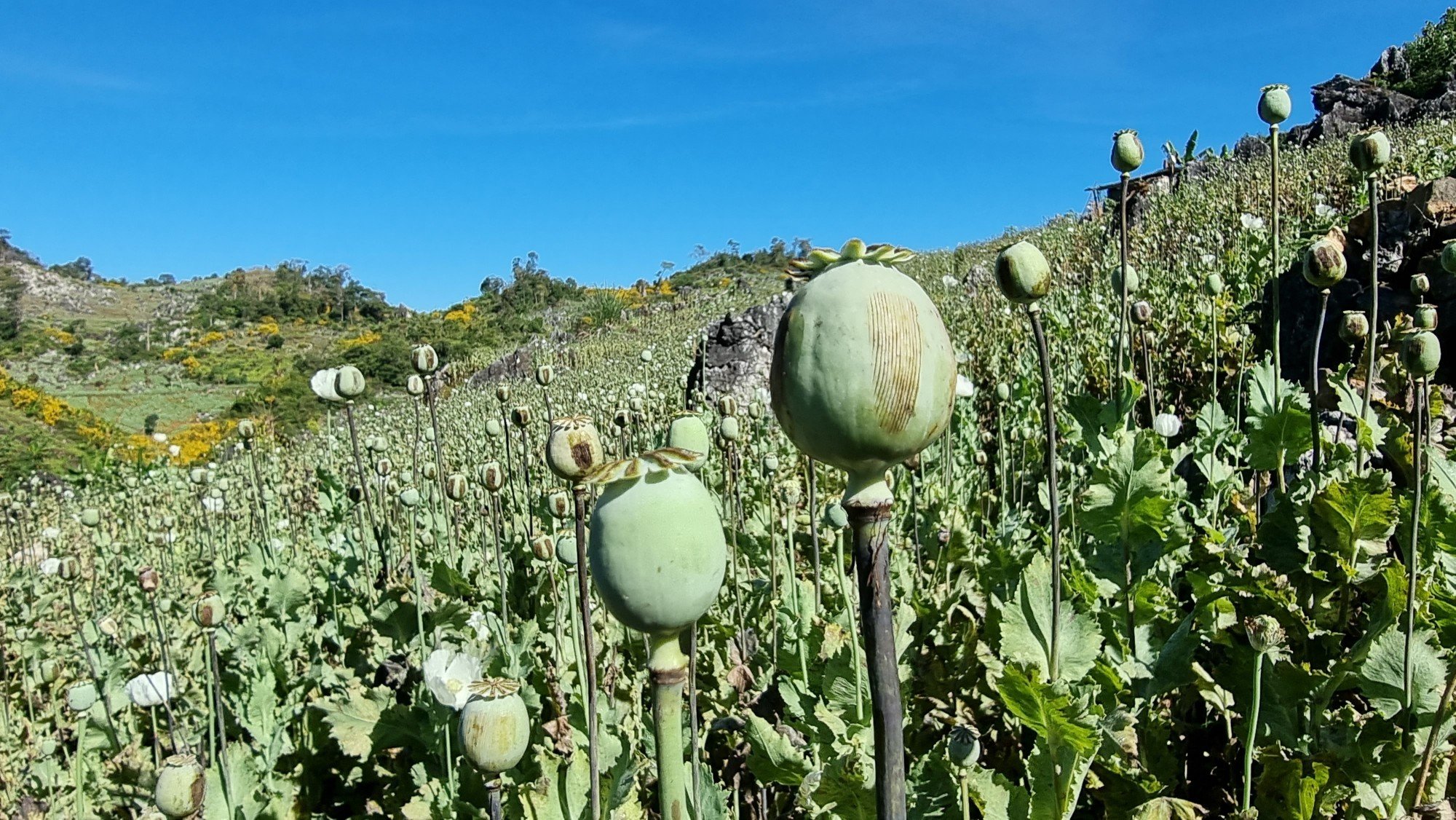
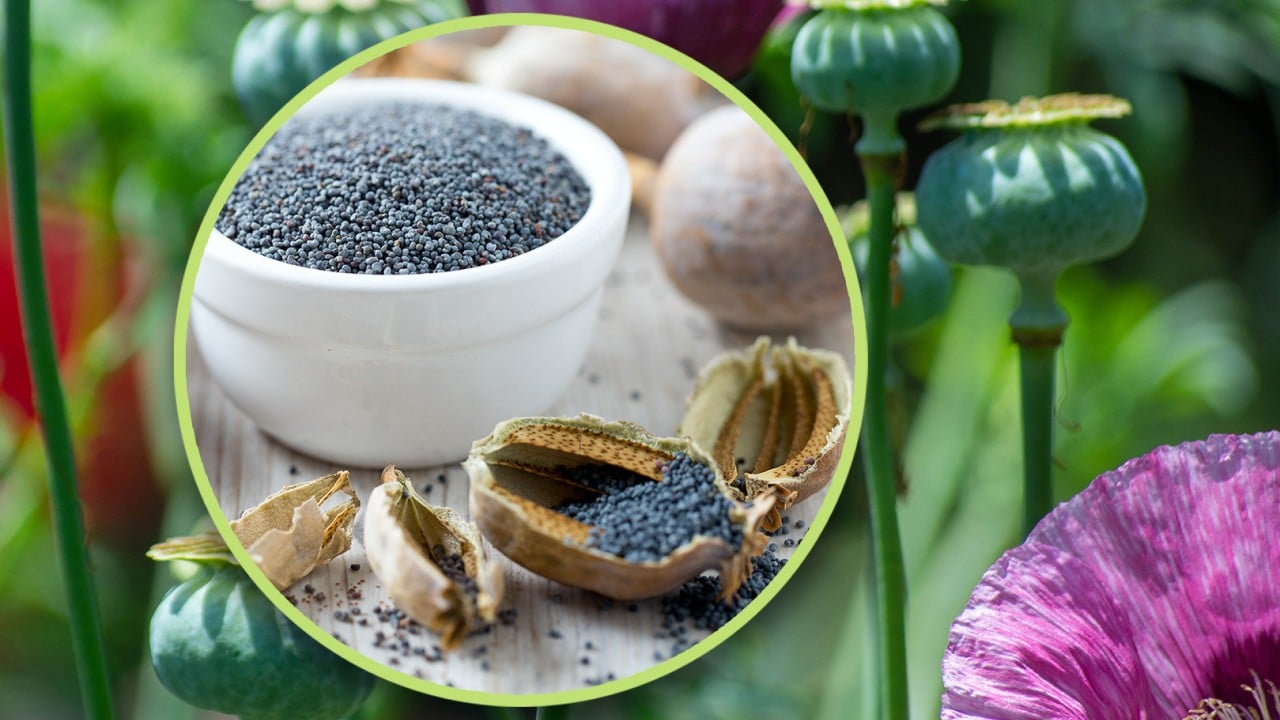
However, in the 19th century, Britain exported huge amounts of opium to China, which at the time was ruled by the country’s last dynasty, the Qing (1644-1911).
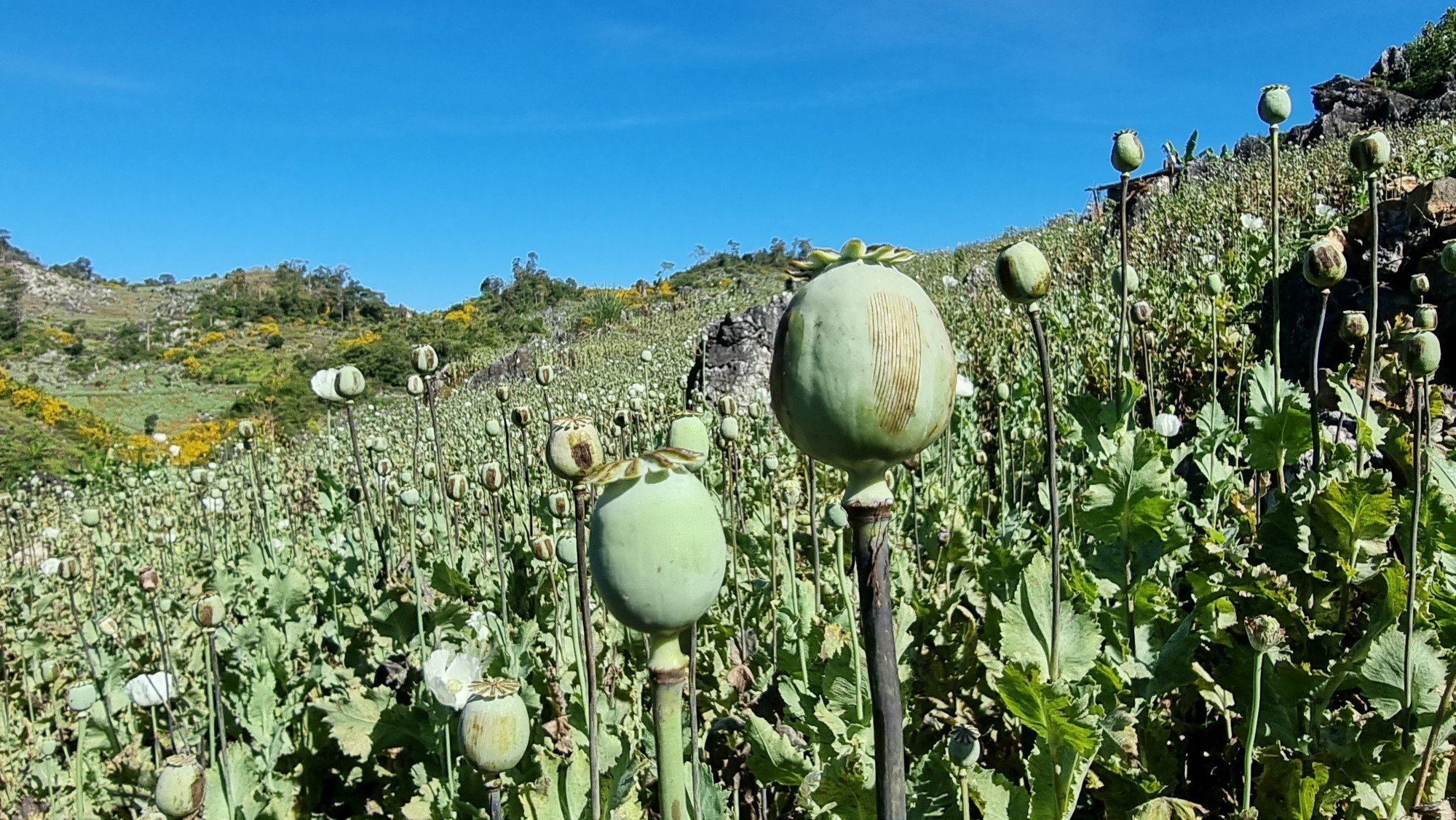
As a result, many Chinese people, including members of the military, became addicted to the drug, triggering the authorities to ban its import – a catalyst for the First Opium War, also known as the Anglo-Chinese War, in the 1840s.
Today, China completely forbids opium and other drugs and the cultivation of poppies is strictly controlled by the authorities.
Anyone doing so without the government’s permission faces legal consequences which range from jail term to fines.
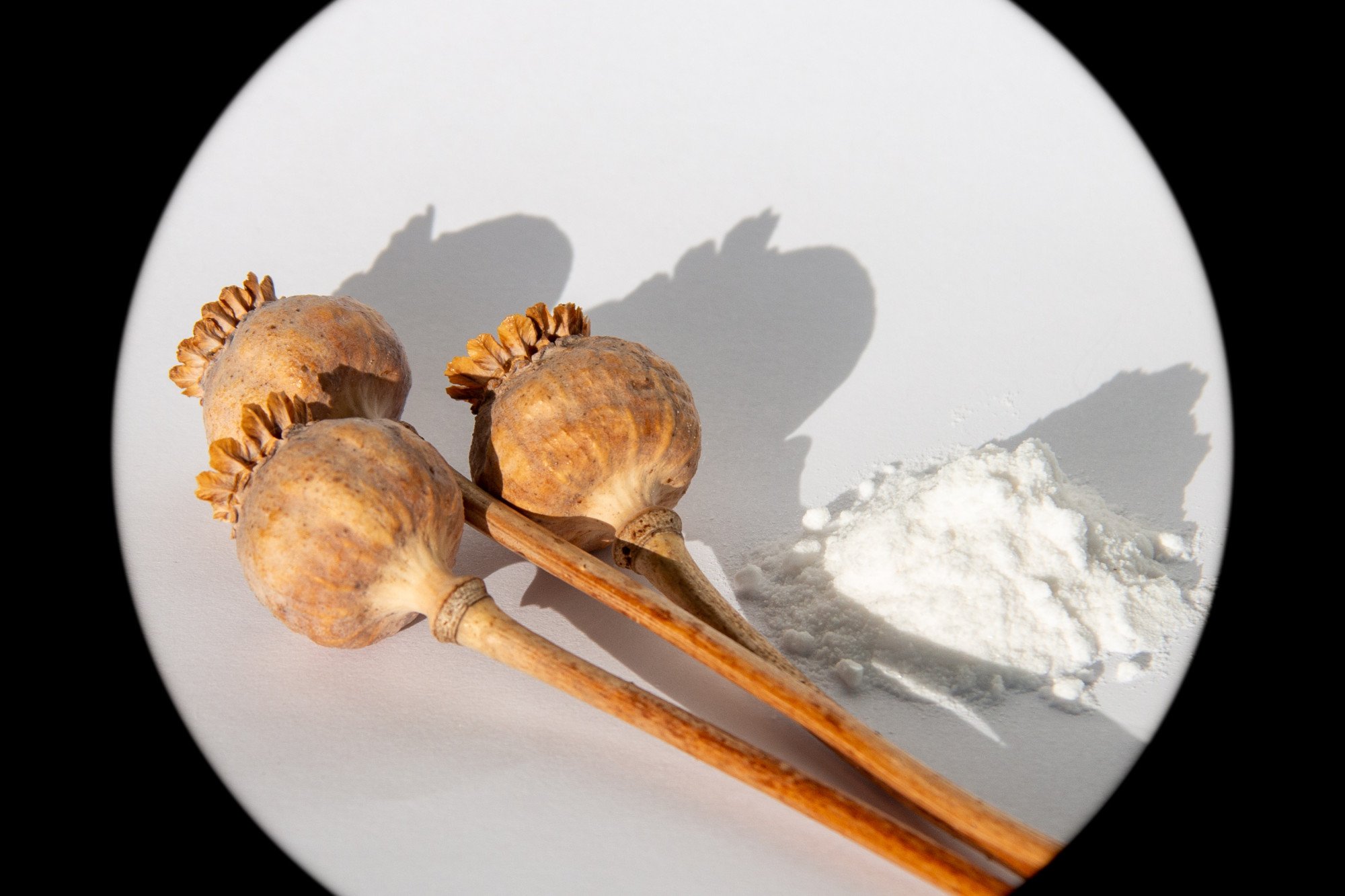
However, folklore has it that a ground-down form of the plant can add spice to popular dishes.
As a result, many chefs, especially in hotpot restaurants, secretly used poppy powder for seasonings, ignoring the potential health hazards for diners.
Doctors say that while the powder has a low drug content, consuming it over a long period can lead to energy loss, sweating and weight loss. In serious cases, it might damage the nervous and endocrine systems.
The Ministry of Public Security, along with the State Administration of Market Regulation and China National Narcotics Control Committee, issued a directive in 2014 to crack down on the phenomenon of mixing poppy powders in food, vowing to show “zero tolerance” for the crime.
The mainland news outlet Star Video reported in April that a woman living in Guizhou province in southwestern China planted 900 poppies on the roof of her house because she wanted to put them in hotpot.
She was given a six-month jail term plus a 3,000 yuan (US$420) fine.
Also, a migrant worker in eastern Jiangxi province was placed under administrative detention last year when she tested positive for morphine after adding poppy powder to a hotpot dish she ate in her dormitory.
In 2016, 35 eateries across the country, including a popular Beijing hotpot chain, were busted for using poppies as seasoning.
In the same year, a street vendor selling cold noodles in eastern Jiangsu province was sentenced to seven months jail for “producing and selling problematic food” after police found he used poppy powder in cooking.