


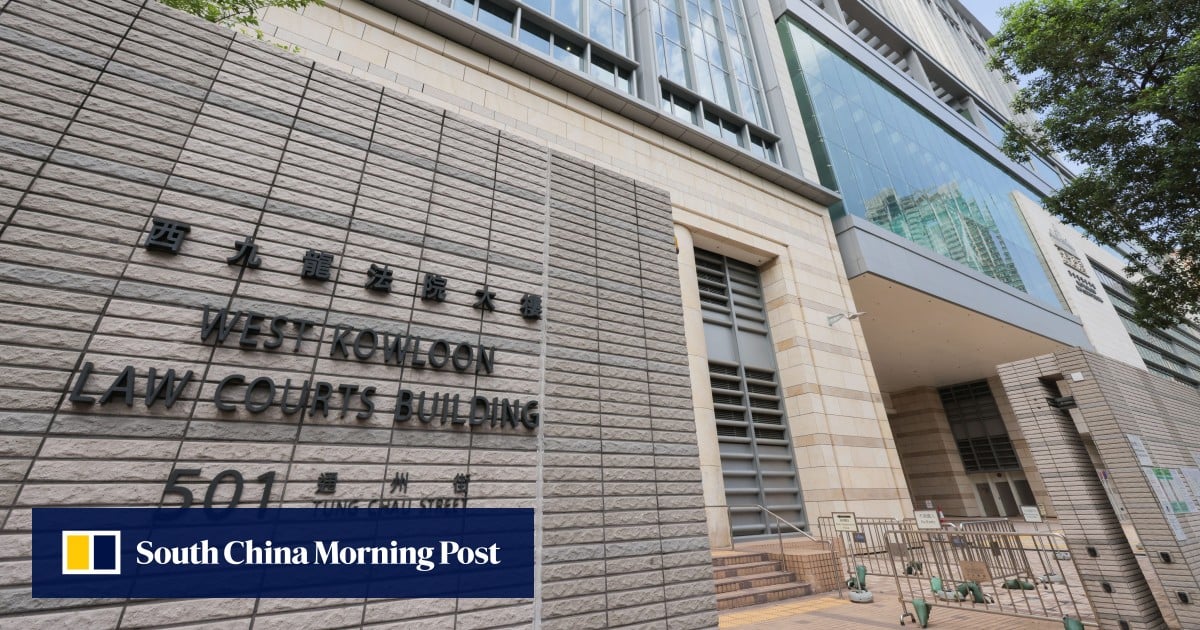
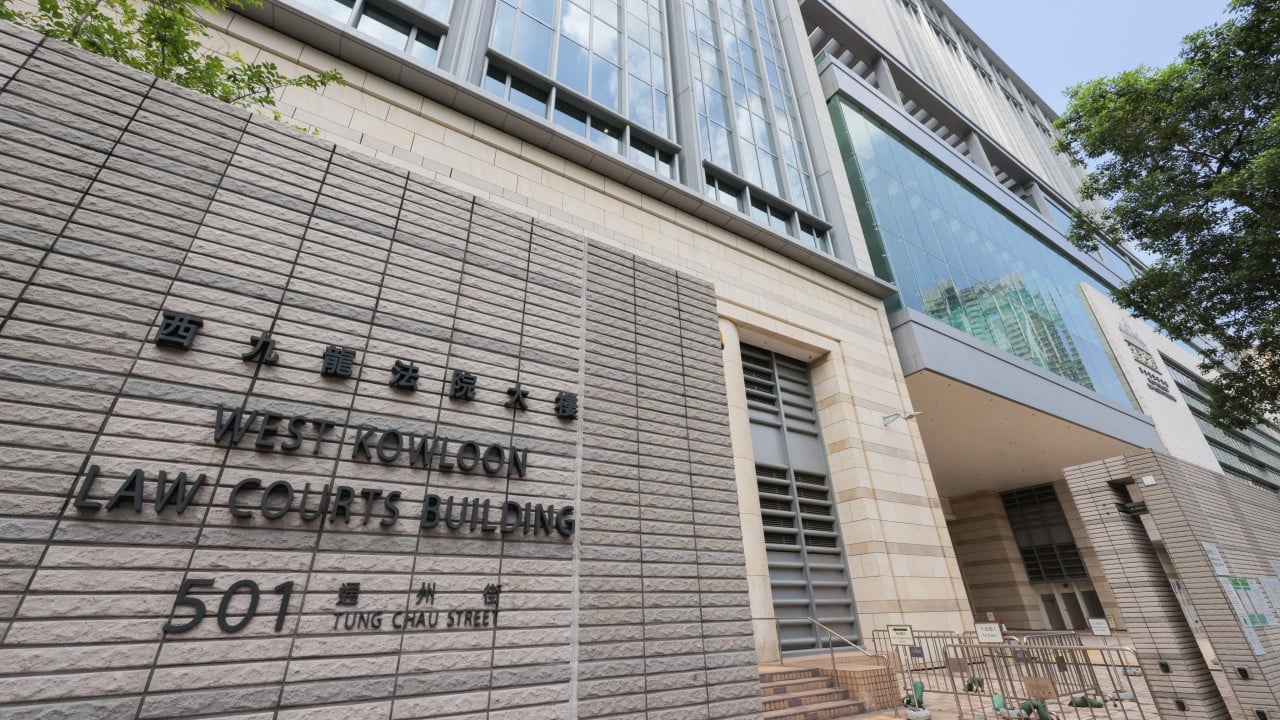
Li became the subject of a “pre-emptive” investigation by police’s national security department, the court heard, with officers monitoring his movements and covertly filming his street shows using mobile phones provided by the government.
“The defendant may subjectively feel that the song he played could have been any one of the three, but objectively speaking, it was not difficult for a bystander to relate the tune to the song ‘Glory to Hong Kong’,” Chui said.
“The defendant obstinately committed the same offence again and again. The only sentencing option is one of immediate imprisonment.”
She jailed Li for eight days each on six counts of unauthorised musical performance in public and two of collecting money in public without a permit, but ordered a partially consecutive sentence for a total term of 18 days.
The magistrate also endorsed the confiscation of two erhus seized from Li’s residence after the prosecution expressed concerns the retiree “refuse to give up” and reoffend in the future.
Li was sentenced to one month imprisonment last October for similar offences committed in 2021 and 2022.