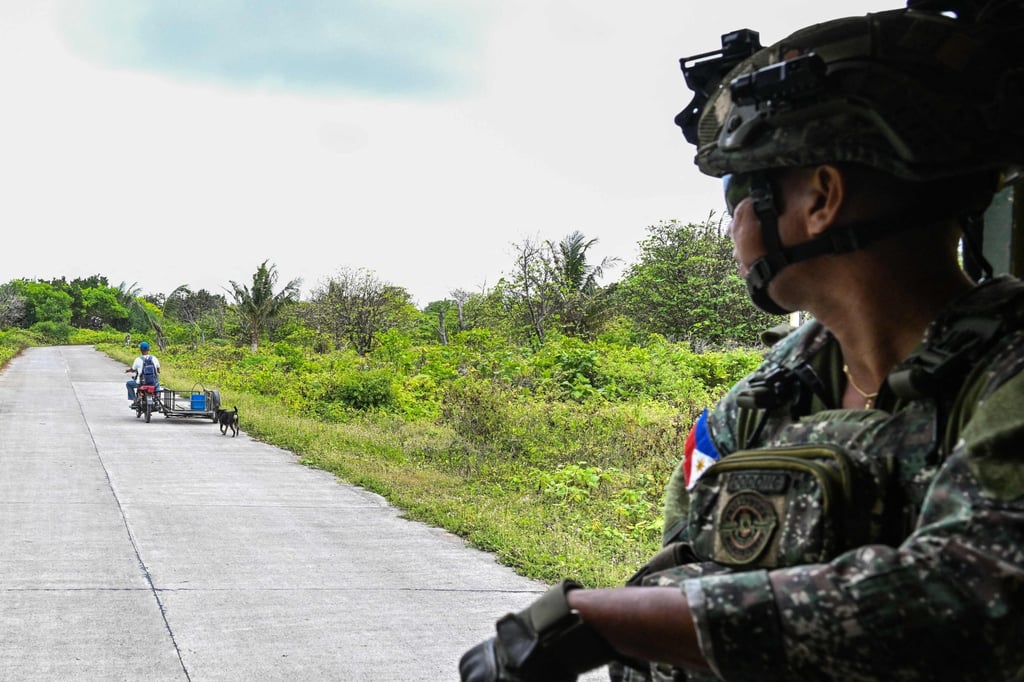


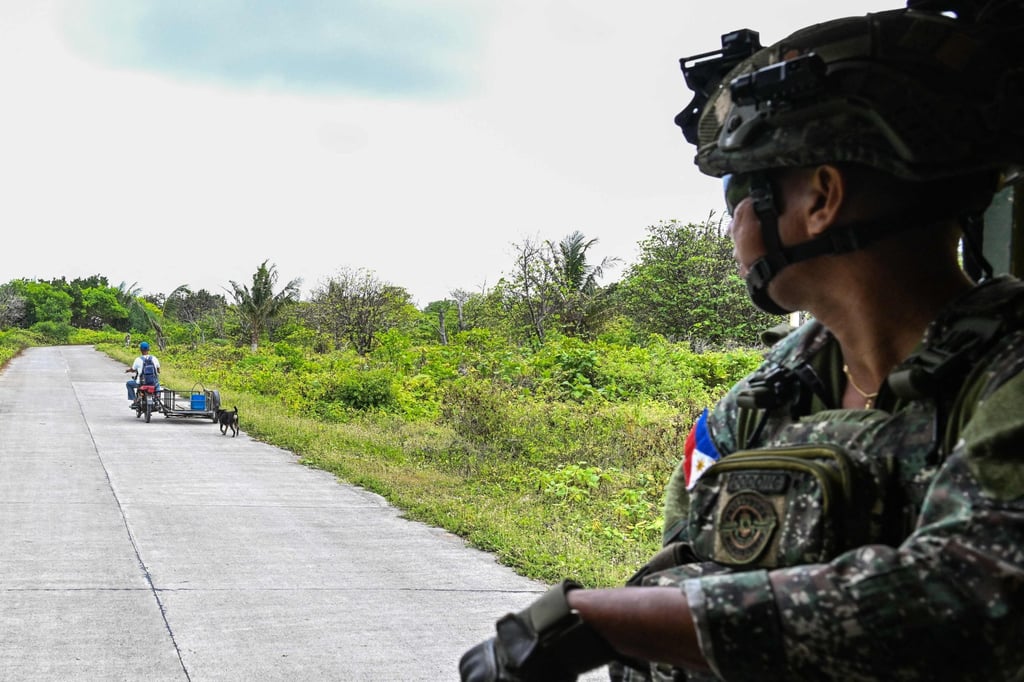
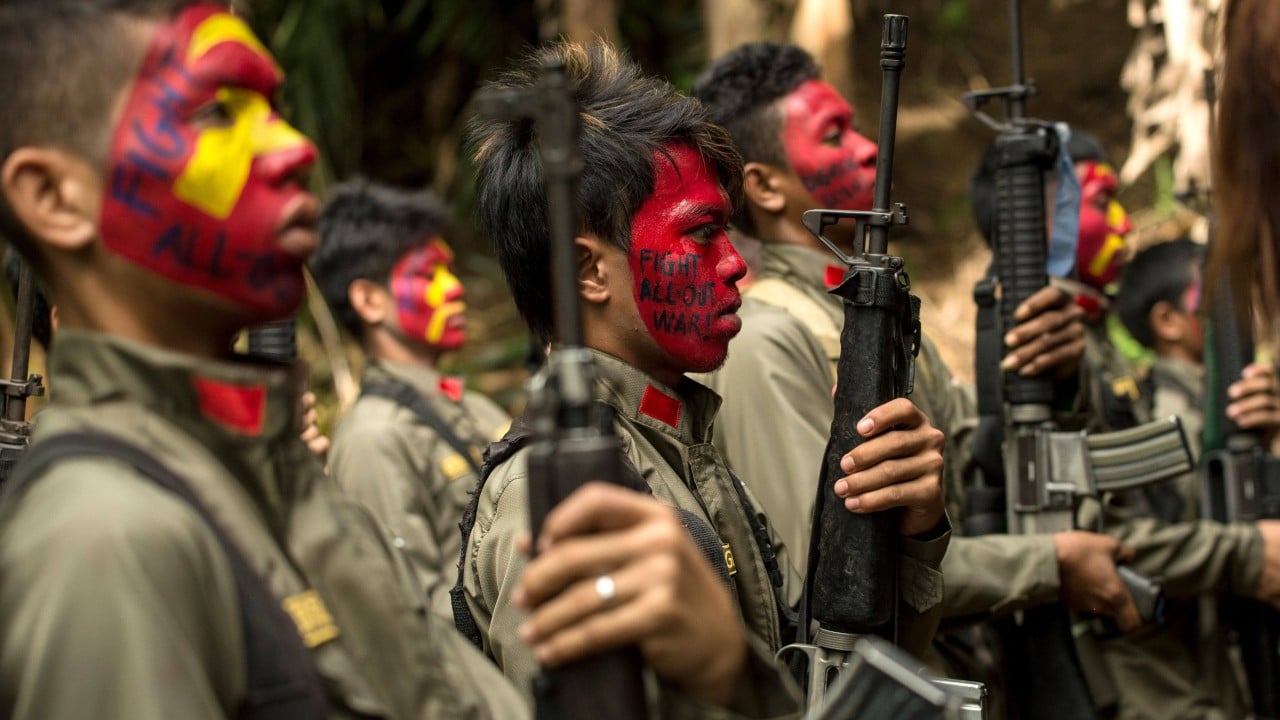
The jungle bases that once sustained Asia’s longest-running communist insurgency are mostly emptied out. Its tens of thousands of guerrilla fighters have been reduced, by the military’s account, to something “very, very negligible”.
After 56 years, the Philippine military thinks the fight is almost over – and that conviction is transforming the armed forces from the inside out.
Advertisement
Commanders are overhauling training and strategy, moving away from the small-unit counter-insurgency missions that defined five decades of jungle warfare. The enemy they are preparing for now is not a Maoist guerrilla in the hills.
Officials say this shift is only possible because the New People’s Army (NPA) – the armed wing of the Communist Party of the Philippines – is a spent force.
Advertisement
Not everyone believes it.