


From Narco-Submarines to Liquid Cocaine: How the Cocaine Market Is Evolving
Join us this April 27 for an exclusive event for donors. Our experts will share analysis and recent data, and answer your questions about projections for 2026.
De narcosubmarinos a cocaína líquida: cómo está cambiando el mercado de la cocaína
Acompáñenos el 27 de abril en un evento exclusivo para donantes sobre nuevas rutas, tendencias y proyecciones para 2026.
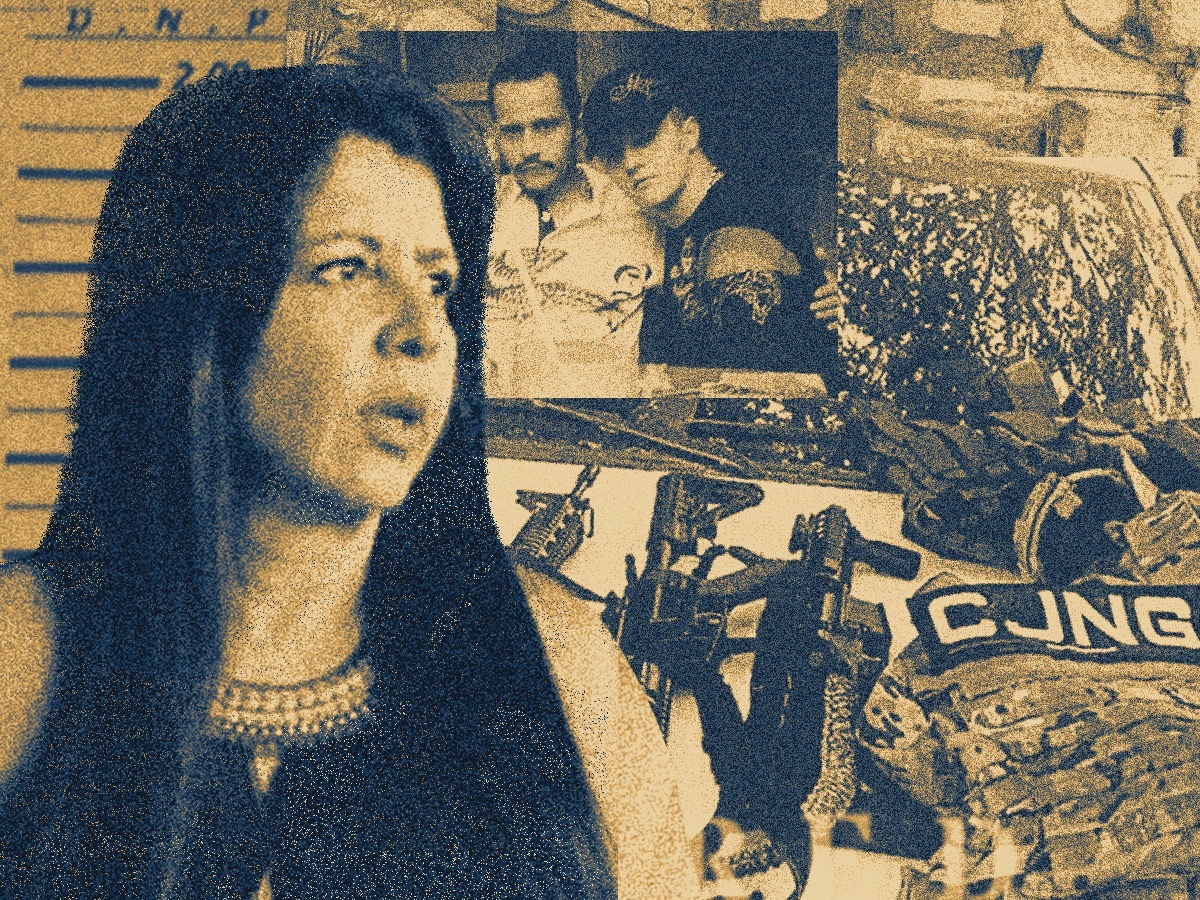
The low-profile career of Rosalinda González Valencia, alias “La Jefa,” stands in stark comparison to that of her husband, Nemesio Oseguerra Cervantes, alias “El Mencho,” founder of the Jalisco New Generation Cartel. El Mencho was one of the most wanted men on both sides of the US-Mexico border before he was killed in February 2026. But González Valencia was entrenched in organized crime long before her now-deceased husband.
Their marriage was a strategic alliance that fused the financial infrastructure of González Valencia’s sibling-run money laundering network, known as Los Cuinis, with El Mencho’s criminal organization on the ground, catalyzing the CJNG’s rise. It also solidified the CJNG’s access to precursor chemicals and synthetic drugs through Valencia family connections to the Sinaloa Cartel and their Chinese pharmaceutical business partners.
González Valencia’s business-minded family started as avocado farmers before expanding into marijuana and opium poppy in the 1990s. Her uncle, Armando Valencia González, launched the Milenio Cartel, bringing many Valencia family members into the criminal fold.
With help from connections within the Sinaloa Cartel, the Milenio Cartel gained traction in trafficking cocaine and synthetic drugs. At the same time, González Valencia and her 18 younger siblings formed a sophisticated transnational money laundering network collectively known as Los Cuinis.
During that period, González Valencia had her first son, Juan Carlos Valencia González, alias “El 03,” who is now one of a number of potential successors of El Mencho.
Key CJNG Financial Operator
González Valencia and El Mencho eventually had three children: Rubén Oseguera González, Jessica Johanna Oseguera González, and Laisha Oseguera González—all involved in the CJNG’s criminal activities.
Mexican prosecutors accused González Valencia of serving as the CJNG’s chief financial operator, overseeing around 73 front companies that allegedly laundered more than 1 $65 million. She ran this financial web with other female family members and wives of key CJNG figures.
González Valencia wasn’t the only woman managing finances for her criminal clan in the 2010s. Guadalupe Fernandez Valencia, the alleged chief financial operator for the Sinaloa Cartel, as well as Marllory Chacón, a prolific money launderer in Central America, are just some women who are known to have managed entire illicit financial structures.
SEE ALSO: More Than Narco Wives: Women’s Hidden Power in Latin American Organized Crime
First arrested in 2018 on money laundering charges, González Valencia was quickly released due to insufficient evidence only to be recaptured in 2021. Mexican authorities again couldn’t prove her links to organized crime, but in 2023 secured a five-year sentence connected to irregular transactions linked to a car wash business she owned in Jalisco.
She was released in early 2025 for good behavior, and her current location is unknown.