


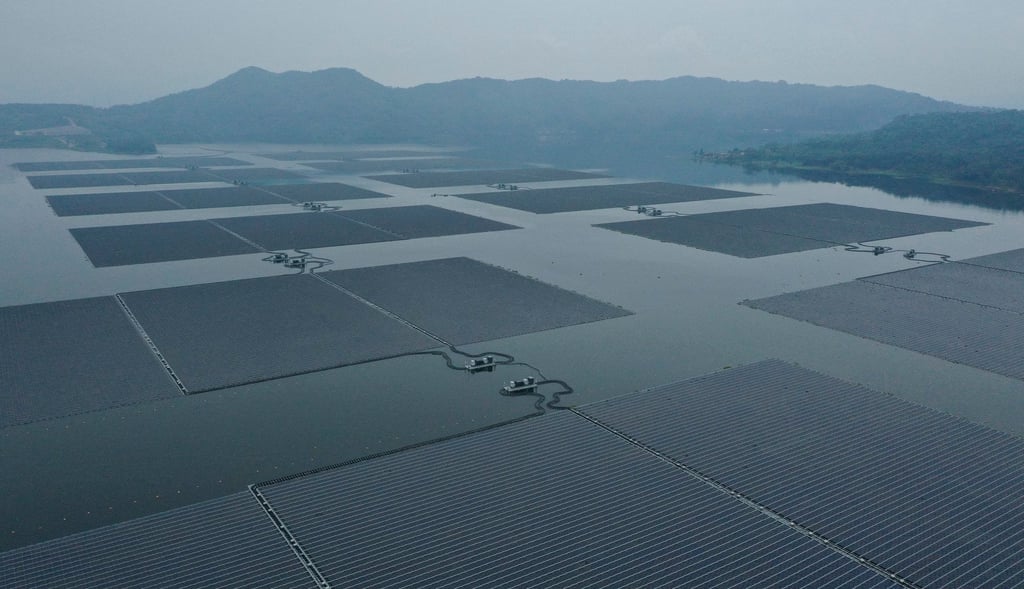
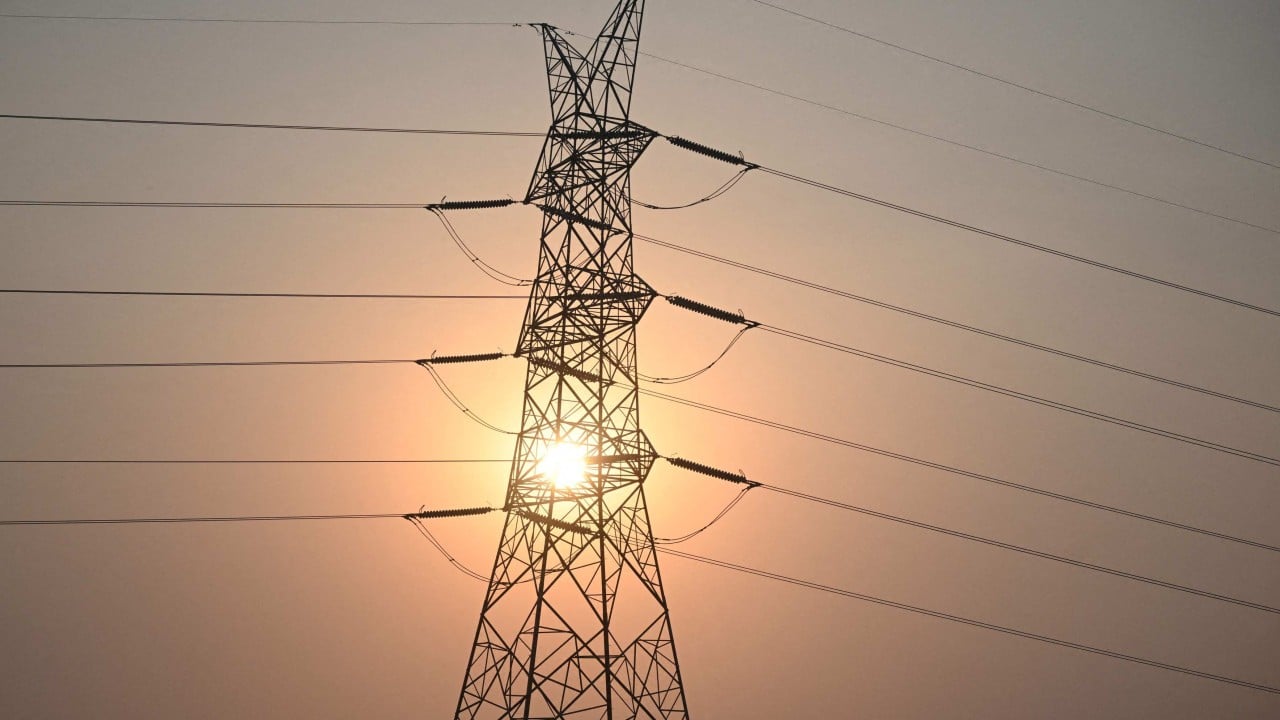
An overreliance on oil and gas transported through the Strait of Hormuz left the region particularly vulnerable to shocks from the Iran war, a “stark wake-up call” for its energy security, the report says.
It notes that rising sales of electric vehicles, a renewed interest in nuclear power and a boom in rooftop solar and other renewable energy installations show that the war is spurring change.
Advertisement
But more sweeping reforms are needed. Otherwise, Southeast Asia’s energy import bill could rise to US$245 billion by 2035, tripling from US$80 billion in 2024, the report warns.
“Diversification of energy sources and supply routes is now a central priority,” the IEA’s executive director Fatih Birol said.
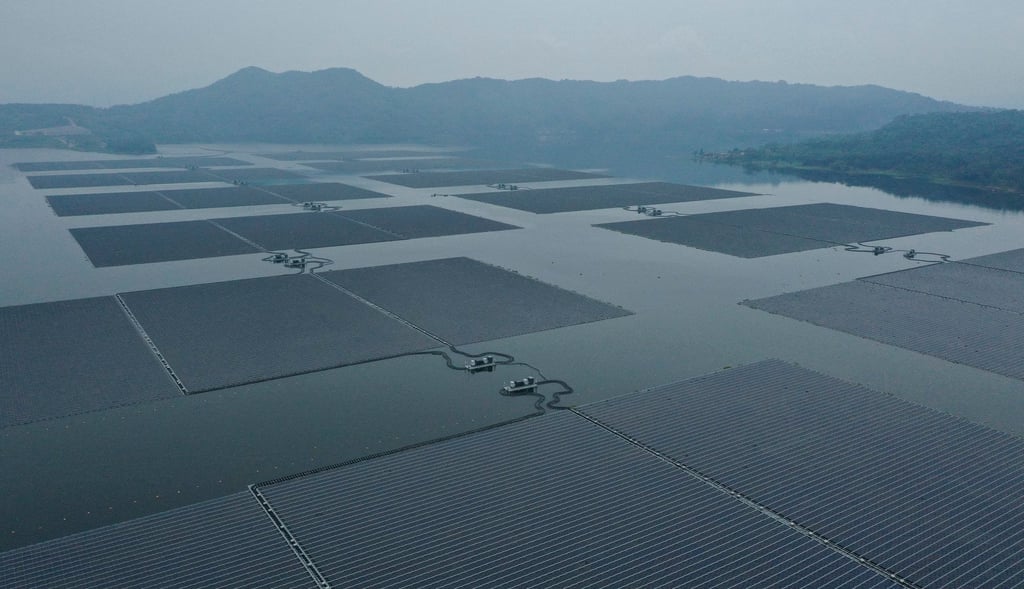
The shock sent Southeast Asia into a state of energy triage, leading to higher energy bills and rising inflation.