



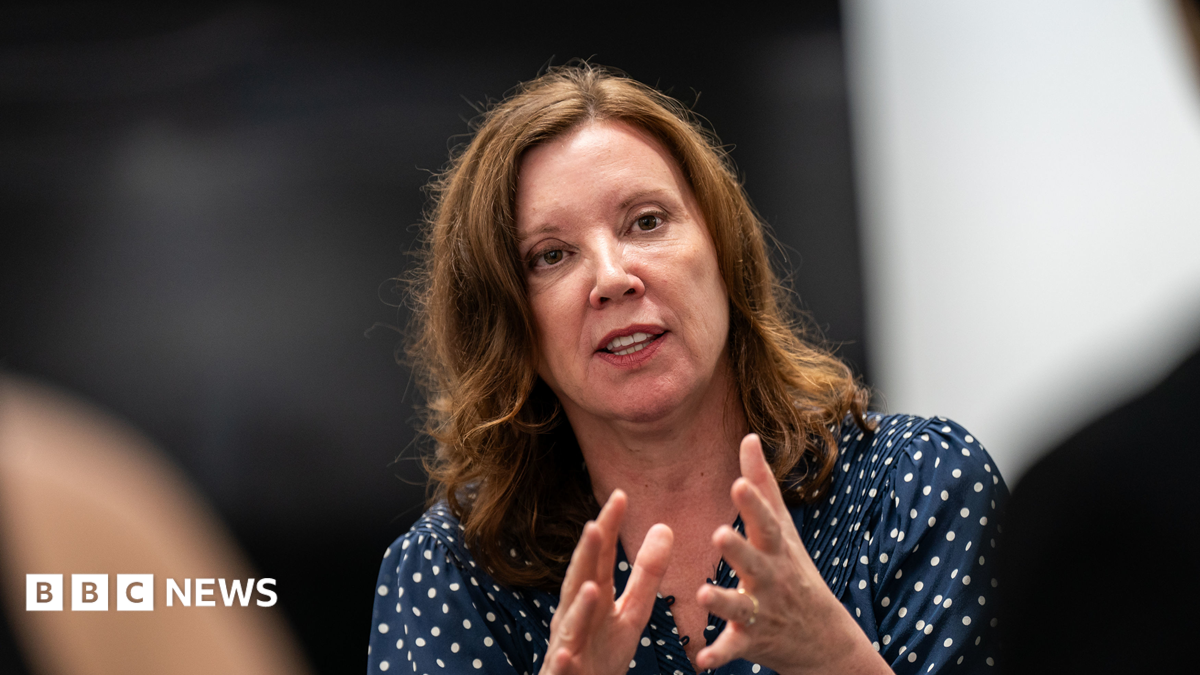
The government’s counter-extremism programme is not able to deal with the growing number of children being referred to it who are “fixated on violence without a clear ideology”, the children’s commissioner has said.
Referrals of children to Prevent have risen over the past decade – from 2,918 in 2016-17 to 4,715 in 2024-25 – and Dame Rachel de Souza said most were being sent back to schools without further action.
Dame Rachel said most children being referred did not identify with traditional forms of extremism and “stronger safeguarding” was needed for this group.
The government said it was reviewing the report and developing further options to “manage those fascinated with extreme violence”.
Dame Rachel’s report comes just over two years after three girls were killed while attending a dance class in Southport in July 2024.
Their attacker Axel Rudakubana was 17 at the time and had himself been referred to Prevent three times between 2019 and 2021 due to his interest in terrorist attacks and school shootings, but his case too had been closed because he did not have a clear ideology.
Prevent was set up 20 years ago to try to identify future potential terrorists and intervene in their lives, often by challenging hateful ideologies such as far right extremism or support for jihadist violence.
The second phase of the Southport Inquiry is examining how to deal with individuals who pose a risk of extreme violence but where ideology is not the primary driver, as well as the role of the internet and social media in influencing and enabling them.
A Prevent referral is one made to the police when there are concerns that a person may be susceptible to radicalisation or could be at risk of becoming involved in or supporting terrorism. Typically, for children, this process starts with potential concerning behaviour spotted by teachers or social workers.
Most child referrals are made by the education sector including schools – 60% in the year from April 2024 to March 2025.
The report by the children’s commissioner found that most of these referrals were being sent back to the education sector because Prevent was not able to effectively deal with their cases – because its focus was on the risk of terrorism which generally means violence being carried out for an ideological objective.
Some 71% of child referrals were found to have “no specific extremist ideology identified”.
Dame Rachel told the BBC many cases were linked to children being involved in the “most awful online communities, watching other children self-harm and trying to make them do that, obsessed with killers and school shootings” – material she said was illegal under the Online Safety Act.
“Counter-terrorism police and Prevent are excellent at deprogramming children who have been caught into ideological movements,” she told BBC Radio 4’s World at One programme.
“What they can’t deal with is this, so we have to make sure there is a far wider response.”