


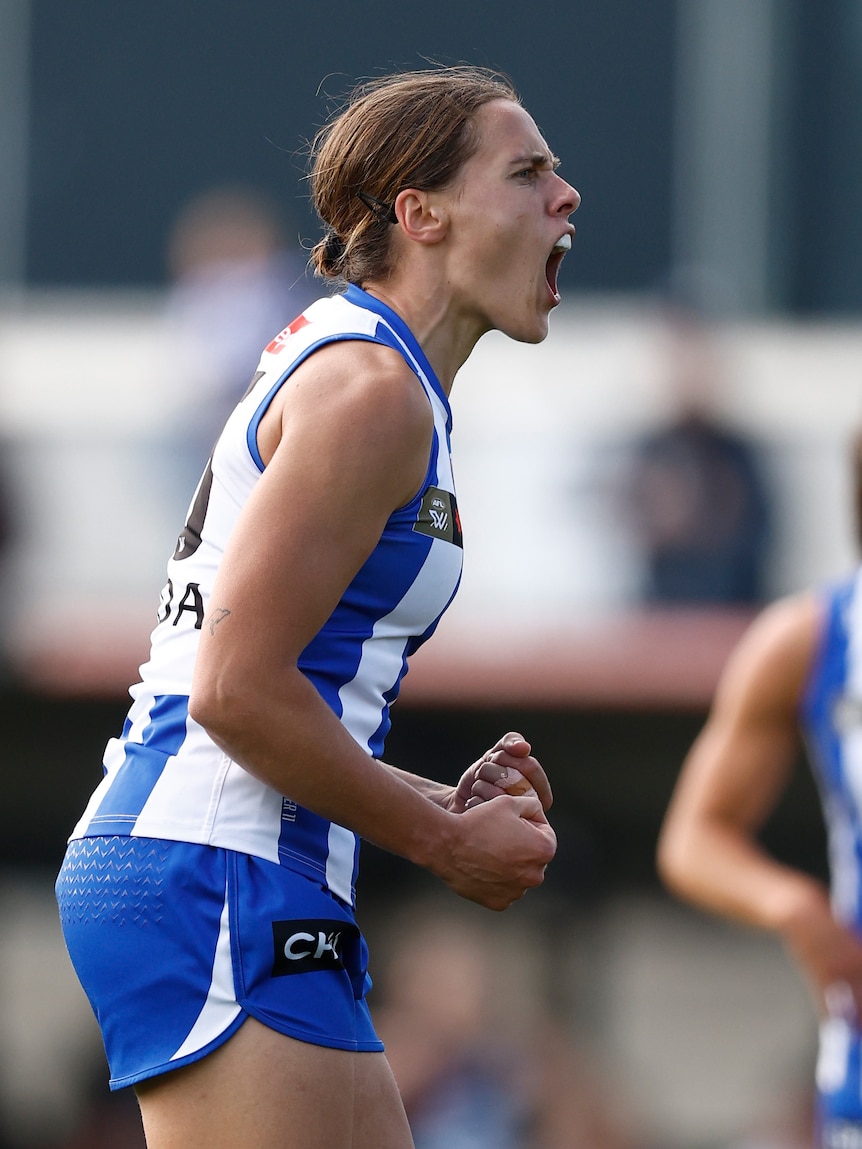
AFLW sides are more likely to finish down the bottom of the ladder when their players rate their workplace culture low, the players’ association says.
Data collected from the union around the middle of the season suggests a strong correlation between workplace culture and on-field performance.
“If we look at AFLW, what we’re seeing is there is a bit of a widening gap between the best of our workplace culture data and that which is more at the bottom,” AFL Players Association chief executive James Gallagher told ABC Sport.
“We’re seeing some of the highest scores ever reported at the top end, so that’s fantastic. That’s what we want to see, but we are seeing a gap between the best and the bottom end.”
This year, four teams were assessed as having the best workplace culture on record and four teams the worst.
This was evaluated according to club care, mental breaks, off-field expectations, relationships, schedule flexibility and study/work support.
Five of this year’s finals teams were in the top seven for “overall workplace culture”. Non-finalist teams overwhelmingly rated on the lower end for workplace culture scores.
It comes after widespread media scrutiny on struggling clubs, particularly Collingwood.
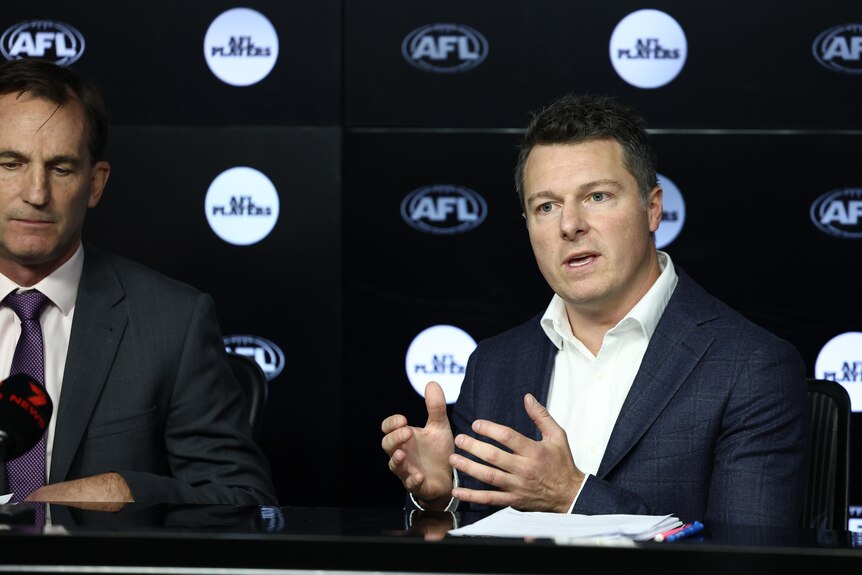
James Gallagher says there is a correlation between successful AFLW sides and workplace culture ratings. (Getty: James Wiltshire/AFL Photos)
The Magpies, along with St Kilda, finished with one win each this season, while GWS and Essendon had just two victories out of their 12 games.
Of those four bottom-ladder clubs, all but the Giants parted ways with their head coaches.
The Magpies and Saints are now set to undertake external reviews of their women’s programs,. Essendon has opted to conduct an expanded internal review.
North Melbourne, Geelong, Melbourne, Carlton, Gold Coast, Sydney, Western Bulldogs and Hawthorn finished in the top eight this year.
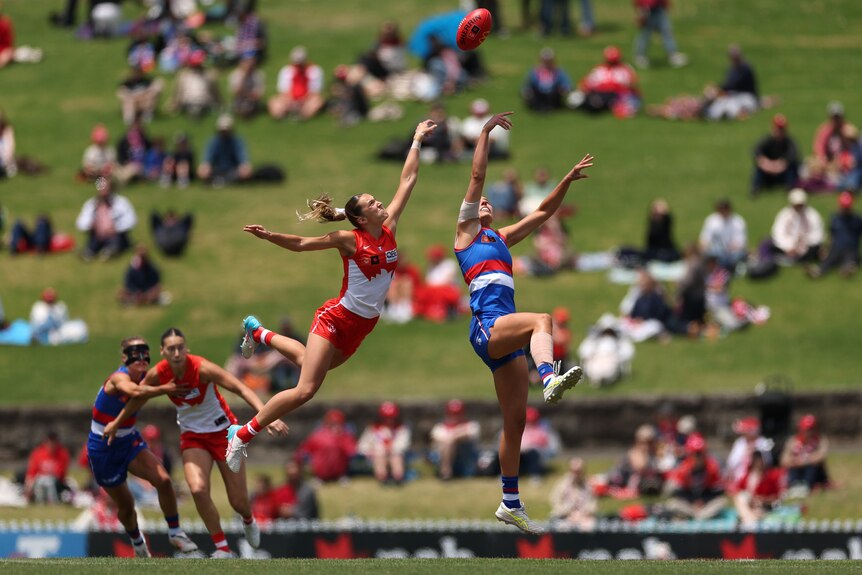
Sydney and the Western Bulldogs featured in the finals series this year. (Getty: Darrian Traynor)
The Kangaroos have lost one game in three years and the Demons have regularly finished in the finals.
The data also showed some players as having rated respect for the men’s AFL club head of performance and head coach as low to extremely low.
Furthermore, men’s players being embroiled in off-field news, such as the Sydney Swans saga involving allegations of sexual assault or GWS’ “controversial couples” night leading to player sanctions, can impact the women’s programs.
“There’s no doubt they are extraordinarily challenging for all to navigate. I mean, do they have an impact on AFLW playing groups? In some cases, they do for sure,” Mr Gallagher said.
“Making sure there’s an opportunity for those players’ views to be heard and considered is a really important part of how footy clubs in 2026 now operate.”
Crucially, with the seasons overlapping more every year, men’s and women’s programs require access to the same facilities, including the gym and communal areas.
Just half of all players said they felt their men’s and women’s programs were aligned.
“Those clubs that report the strongest workplace environments are much more likely to be successful, and that’s reflected in the final series in front of us,” Mr Gallagher said.
“The game is a high-performance game and to enable that to be successful you do need people who are fronting up, comfortable, confident, feeling like they’re really well supported, and we’re seeing that reflected in the wins and losses column now, for sure.”
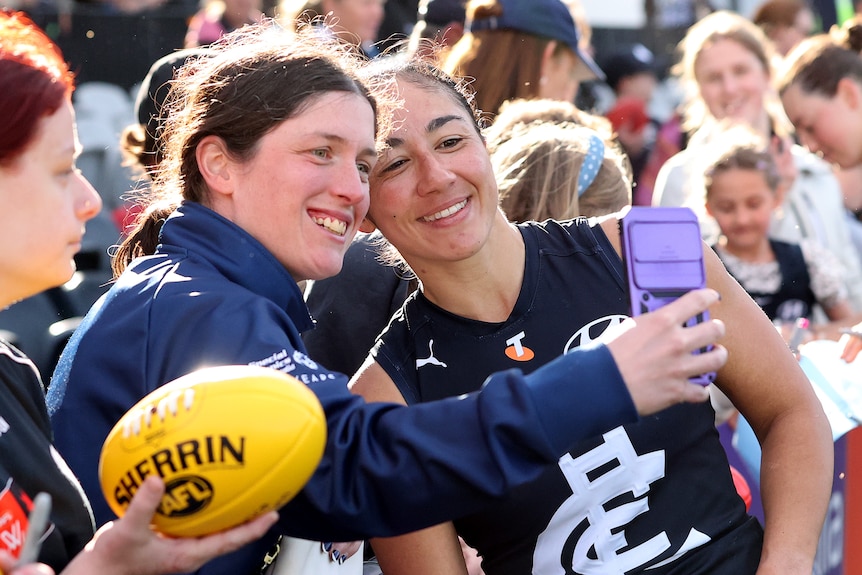
Women’s teams with strong workplace culture are more likely to make the finals, according to the AFLPA. (Getty: Kelly Defina)
Workplace culture includes club support for players outside football commitments, including work and study.
While players have seen huge strides in increased contact hours since season one, more than half of all players still work outside football.
Sixty-four per cent engage in casual work, 32 per cent work part-time and 4 per cent full-time. None of the 45 Irish players can work due to their visas.
The players’ association expects next year’s AFLW season to accommodate more double-headers. The start date is yet to be announced.
dan