


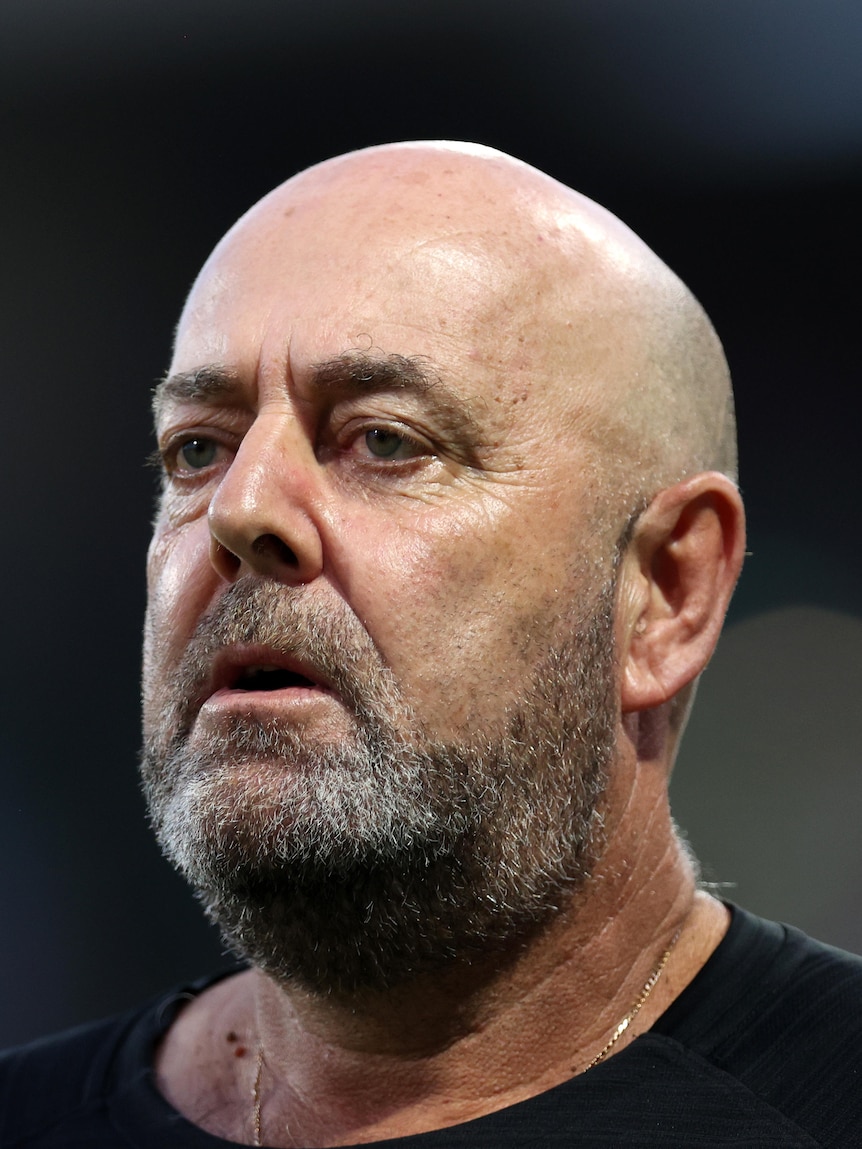
Former Australian cricket coach Darren Lehmann has once again denied knowledge of a plan to use sandpaper in the Cape Town Test against South Africa in 2018, revealing the fallout left him in a “dark place”.
Speaking on ABC Radio before Australia’s T20 against England at the MCG, Lehmann apologised for his role in the team’s culture at the time, admitting that the team’s attempts to find reverse swing during the tour “went too far”.
Lehmann said he had not signed a Non Disclosure Agreement with Cricket Australia and therefore was permitted to talk about the subject freely.
“I haven’t changed my views from what happened in 2018,” he said.
“It was a dark time, and we got a lot of things wrong, but my version still stays the same. It was just a bad time. We all made mistakes.”
Lehmann said he could not remember being a part of a conversation where David Warner raised the prospect of using sandpaper on the ball, as Cameron Bancroft detailed in his statement earlier this week.
“I can’t remember being present in that conversation,” he said.
“But again, it is eight and a half years ago; you’ll have to ask those people. That’s the issue, I have my version, and that’s where I stand.”
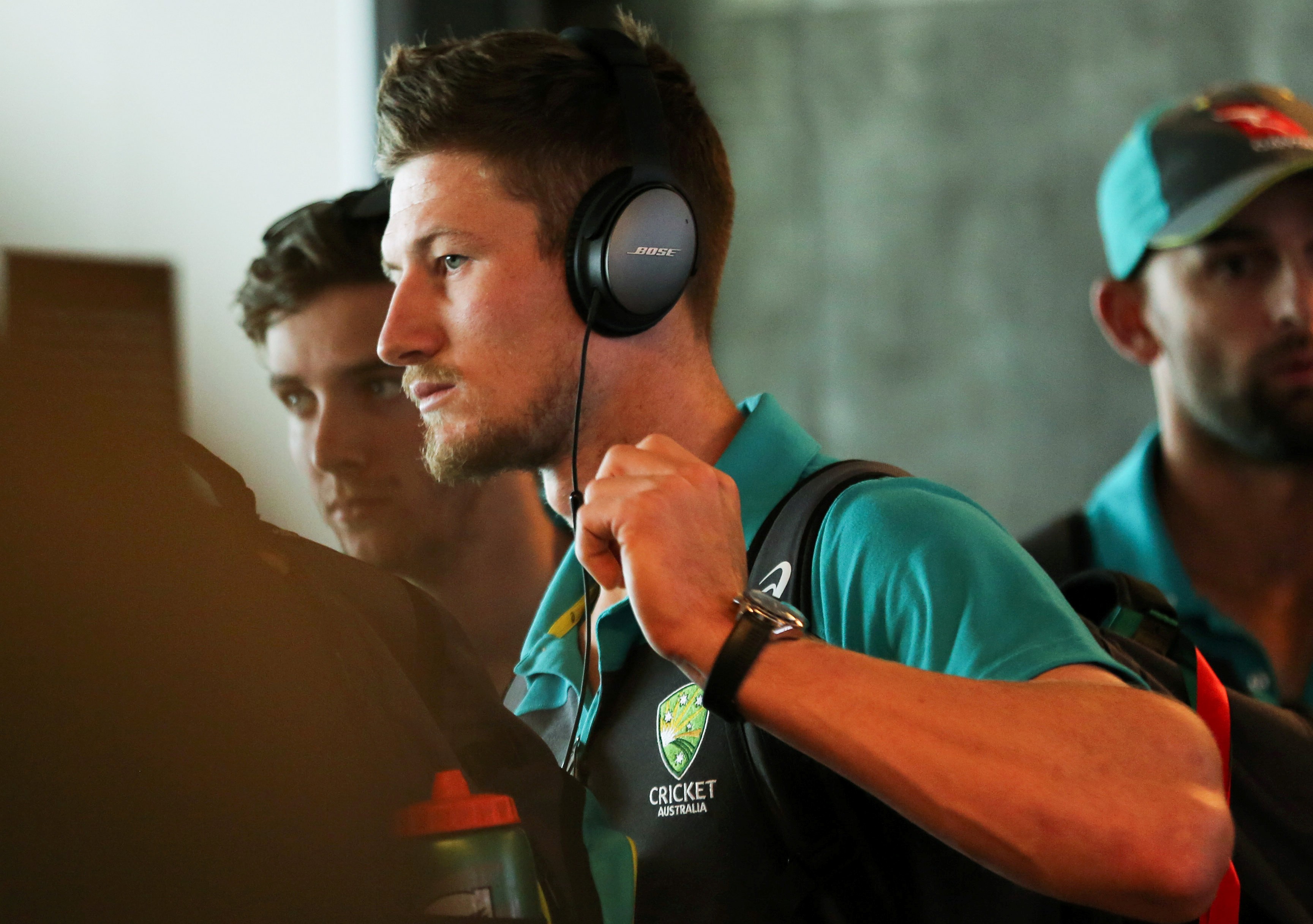
Darren Lehmann said he felt ’empathy’ towards Cameron Bancroft after his statement. (Reuters)
Bancroft’s statement mentioned Lehmann speaking to squad member Peter Handscomb via a walkie talkie asking him to tell Bancroft to remove the sandpaper from the field.
However, Lehmann stated that he only knew sandpaper was on the field after seeing vision of Bancroft hiding it on the TV screen.
Lehmann denied intentionally not asking about how the players were tampering with the ball during the 2018 tour.
“With reverse swing, you throw it into the dirt, you rough up one side of the ball, you might pick at it; that’s been happening for 100 years, “he said.
“For me, I didn’t know, but you’re always ball tampering to try and get the reverse swing happening, but you never go to that extent.
“In 2018, it went too far, and I’m [responsible] for that as the coach.”
Lehmann hit back at suggestions he did not pay a price for his involvement in the saga as he detailed the mental toll it took at the time.
“People said I didn’t lose anything. I actually lost the best job in the world, and I’m sorry for that, and I’m sorry for what happened. That’s all I can say to the general public,” he said.
“I went to a really dark place. I went to as dark a place as you can think about.
“It took me probably three to four years to actually get back to some sort of normality.
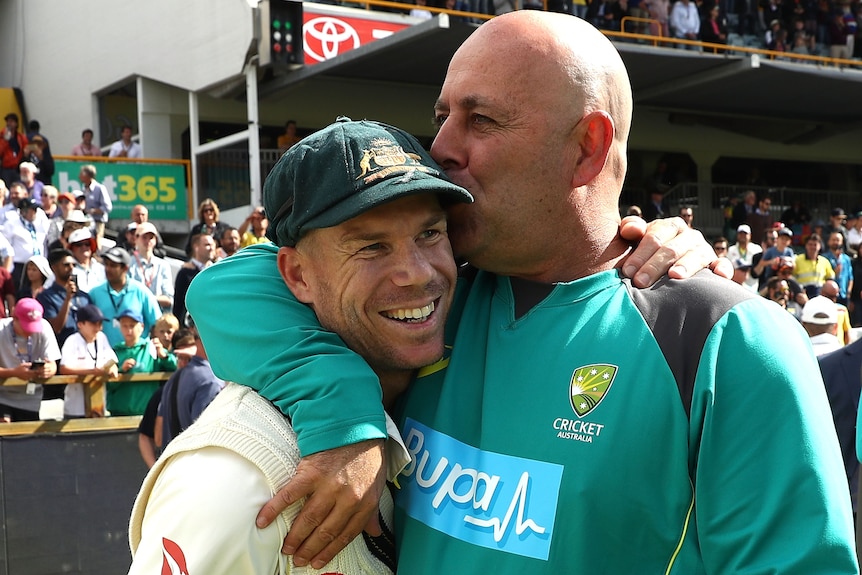
Lehmann described the job of being Australia’s coach as ‘the best job in the world’. (Getty Images: Ryan Pierse)
“I’m not going back to that dark place. I’m trying to move forward. I’m not going back.
“There’s things I remember and not remember. It is eight and a half years ago, it was a traumatic time.
“I don’t want to go back to that dark place, and I hope no one does. I feel for everyone and their families.”
When asked what he felt towards Bancroft in particular after his statement, Lehmann said “empathy”, adding that he felt empathy for all the players and staff involved.
He also took aim at reporters doorstopping the individuals involved and the general media coverage of the sandpaper saga.
“Some of the things that have been said are just outright hurtful to a lot of people. That’s what I care about,” he said.
“There’s a lot of people being hurt at the moment and I think people have forgotten about that aspect.
“Yes, we made mistakes, we apologise as best we can and you try and move on.
“I’m not going back to that place … but it feels like everyone is pushing everyone to these bad places.”
Lehmann denied knowledge of a specific conversation Khawaja detailed in his book in which he claimed a coach told the players to get the ball moving by any means possible.
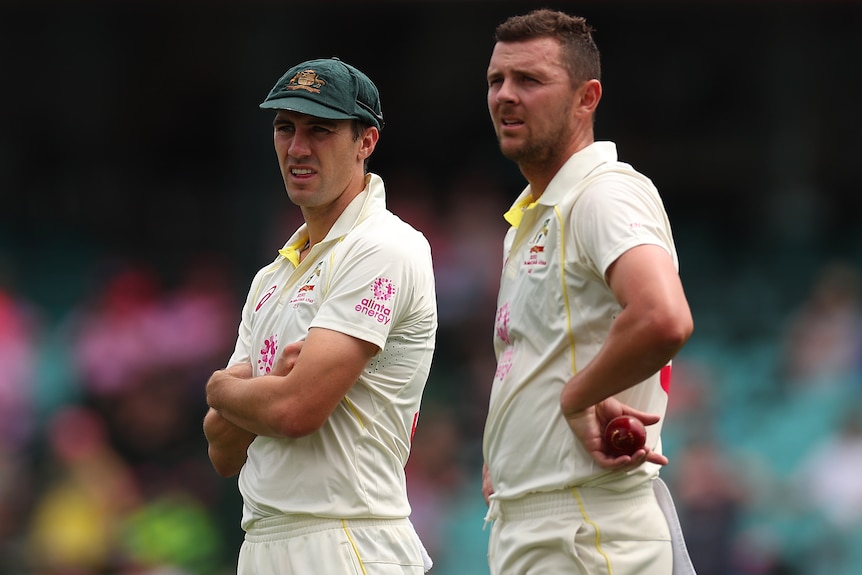
Lehmann says he trusts Australian bowlers’ accounts of the events in 2018 despite having no evidence to back them up. (Getty Images: Cameron Spencer)
“I don’t understand that statement as such, because at the end of the day, I didn’t get that statement,” he said.
“I didn’t get that question posed to me, so I can’t comment for anyone else.”
However, Lehmann admitted the environment surrounding the team at the time was centred around winning at all costs.
“You’re always trying to get the ball moving anywhere, in any Test match, whether it’s normal or reverse,” he said.
“It was an ugly series, that’s what I do know. A lot of people suffered and paid the price.
“I just remember how volatile that series was … and we certainly could’ve handled it better.“
Lehmann also could not recall whether there were any meetings where an individual stood up and voiced their concerns against the use of sandpaper.
“Everyone talks about meetings at the moment; there [were] a whole heap of different meetings,” he said.
“There are conversations going on and some people are privy to them and some people are not. I’m not privy to every conversation or meeting.
“So a lot of different conversations happen all the time, different meetings, not altogether, that’s how it is.”
Lehmann said he had no evidence to back up the fierce denials from Australia’s bowling quartet at the time — Pat Cummins, Mitchell Starc, Josh Hazlewood and Nathan Lyon — but said: “I trust the bowlers. Everyone is entitled to their own opinion.”
Lehmann confirmed that he would attend Cricket Australia’s independent forum for those involved on the 2018 South Africa tour to tell their version of events.
Australian captain Pat Cummins has also stated his intention to attend the forum, as have Usman Khawaja, David Warner and Cameron Bancroft.
dan