


This Council on Foreign Relations initiative is likely to be important, partly because some inconvenient truths are undermining the credibility of the US narrative. The unifying narrative that has lent authority to the US claim to global leadership since World War II seems increasingly threadbare.
“Overall, the [rules-based order] origin story is one of peace, stability and prosperity”, they wrote. It provided what they call “a unifying story for the maintenance of formal security alliances” that has been “dividing the world into those who belong to the community of righteous actors and those situated outside”.
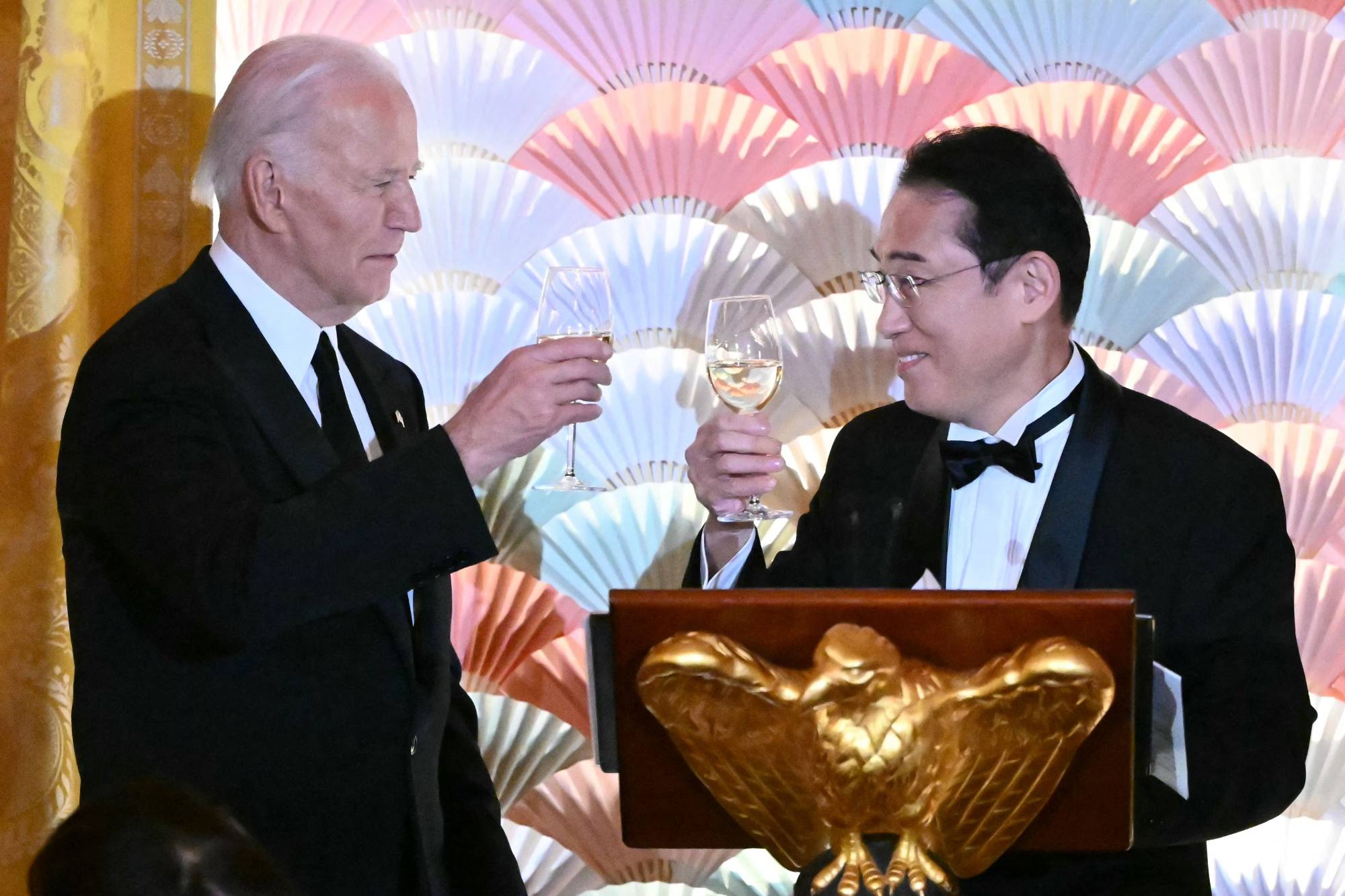
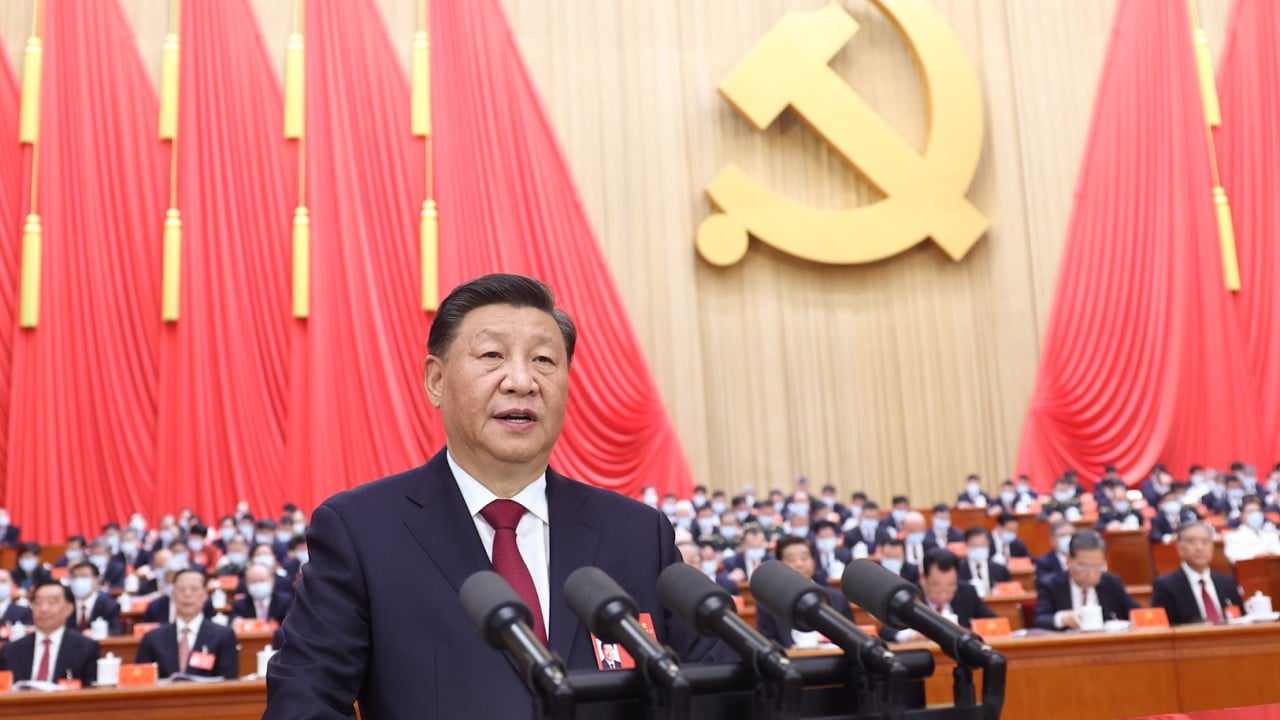
He framed China as an aggressive and expansive one-party state whose “vision would move us away from the universal values that have sustained so much of the world’s progress over the past 75 years”.
While all of these claims are underpinned by dubiously concocted facts, and often no facts at all, this does not matter. In the battle for narrative control, the quality of the narrative counts more than the facts.
Over recent years, the US has masterfully created, fuelled and nurtured such narratives, served by think tanks, often based in Washington and well-funded by a wide range of interest groups. Some are more independent than others.
The Council on Foreign Relations is one of America’s most impressive focal points for discussion and analysis of international affairs. The leader of its China Strategy Initiative, Rush Doshi, has impeccable credentials – degrees from Princeton and Harvard and experience at the State Department and the White House. He previously served as the director of the Brookings China Strategy Initiative.
As Vu Le Thai Hoang and Ngo Di Lan at the Diplomatic Academy of Vietnam contend, the gap between the US narrative on China and China’s own narrative is too large to not be reconciled. How will the Council on Foreign Relations initiative be able to provide better facts to underpin the charges that China constitutes an existential threat?
09:12
China’s third plenum: what to expect from the much-delayed policy meeting
China’s third plenum: what to expect from the much-delayed policy meeting
In a world where actions speak louder than words, and where social media has the embarrassing capacity to scrutinise false narratives, the initiative will do great good if it can re-audit the often-specious evidence of the rules-based order, not to satisfy officials in the State Department, but to satisfy leaders across the Global South who have experience of a China different from the one described so messianically by Washington.
David Dodwell is CEO of the trade policy and international relations consultancy Strategic Access, focused on developments and challenges facing the Asia-Pacific over the past four decades