


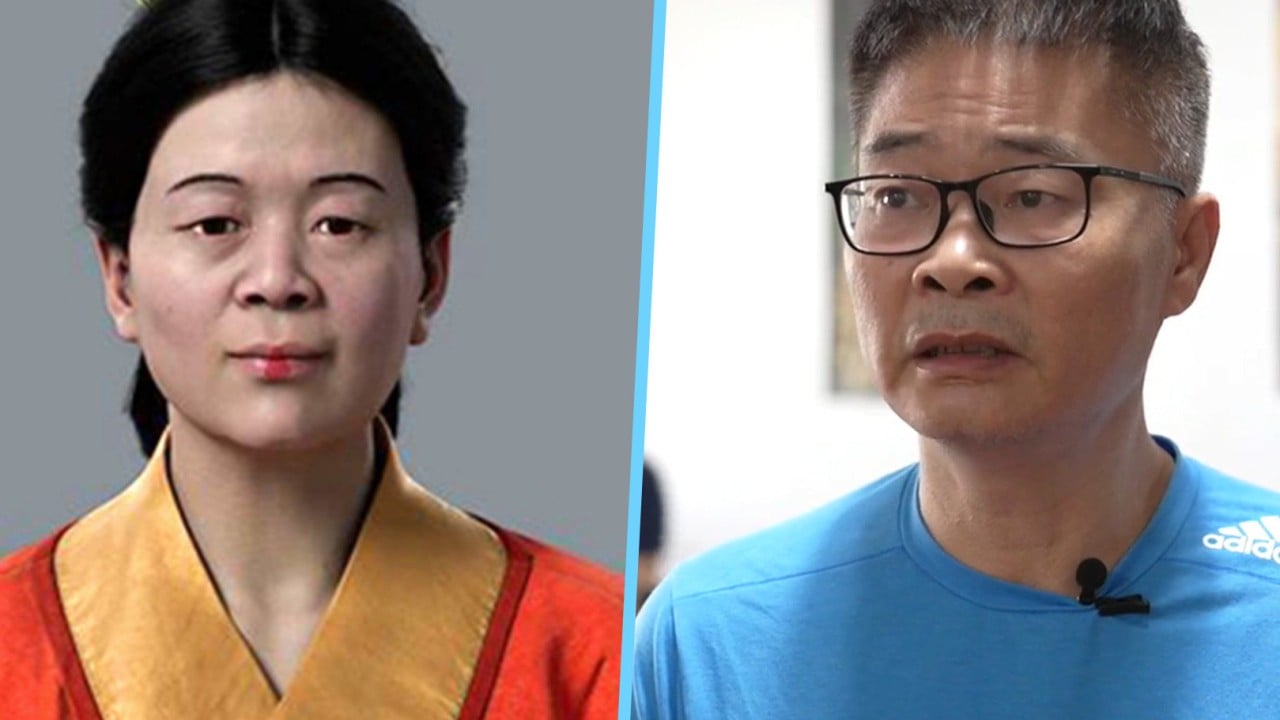
However, the facial reconstruction has been criticised for its perceived lack of authenticity and anatomical accuracy.
An online observer on Xiaohongshu, known as AAAJiancaipifazhaojie, who claimed to be a professional in digital restoration, noted that the images appear to have used a digital human creator tool called Metahuman, which allows users to import their own photos and transport them on top of models.
The observer said Lady Dai’s reconstruction shared characteristics with Yuan in her brow bone, mid-face, and ear position. She added that the photograph does not convincingly match Lady Dai.
“It’s likely that the expert simply took a selfie and uploaded it, which could be done in under five minutes,” the user commented, receiving over 18,000 likes.
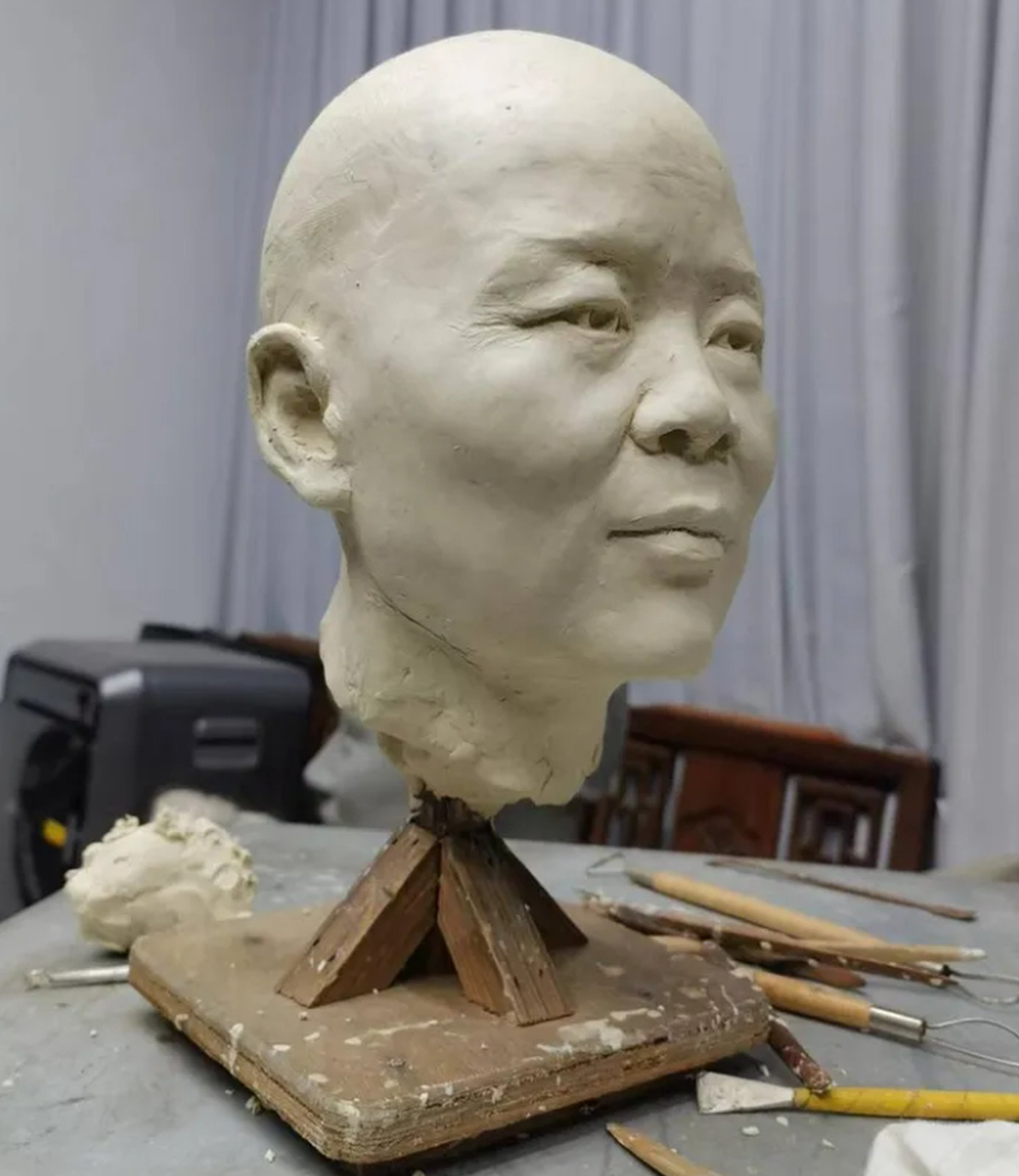
Another person said: “This type of bone-based reconstruction could be manipulated because the shape of soft tissues is not clear. Whether the result looks good or bad depends largely on the intentions of the person doing the reconstruction.”
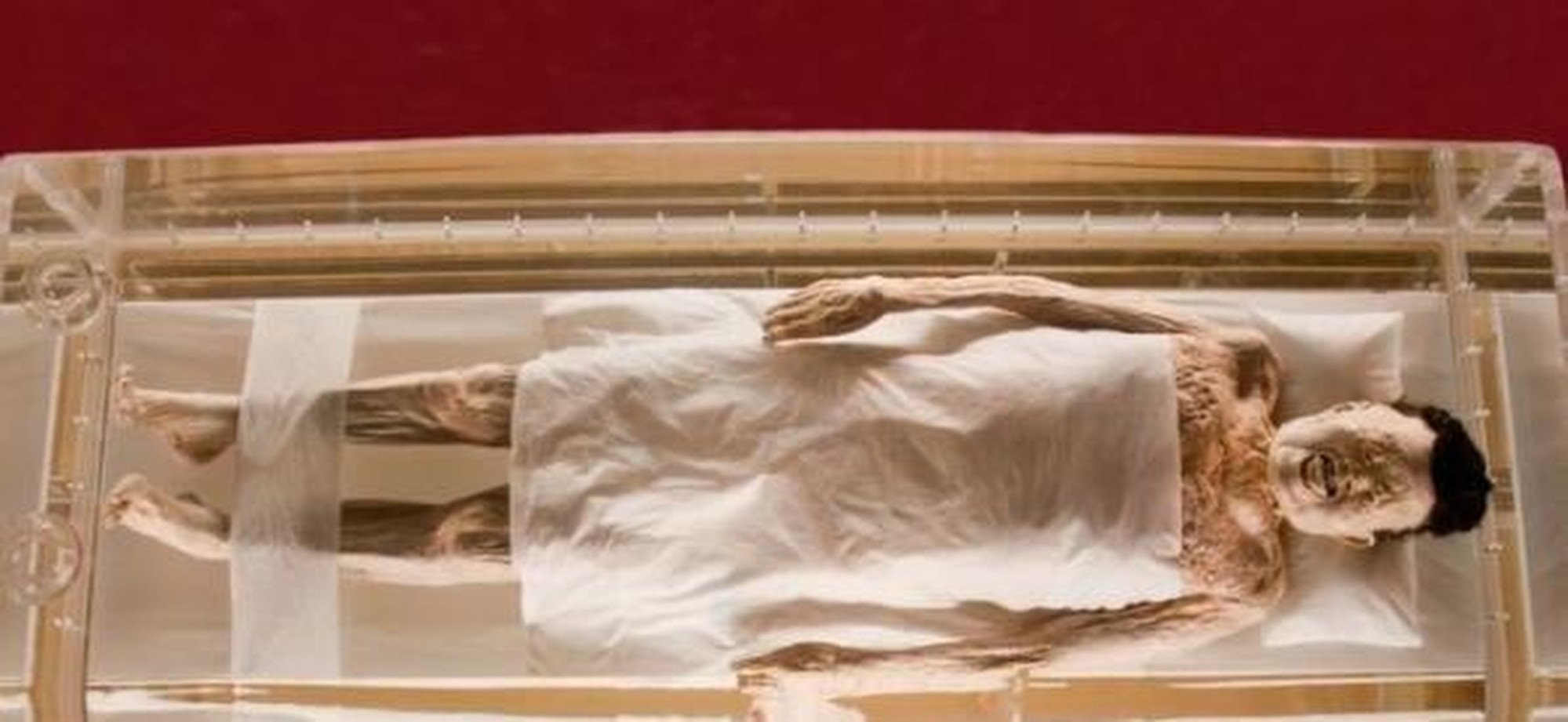
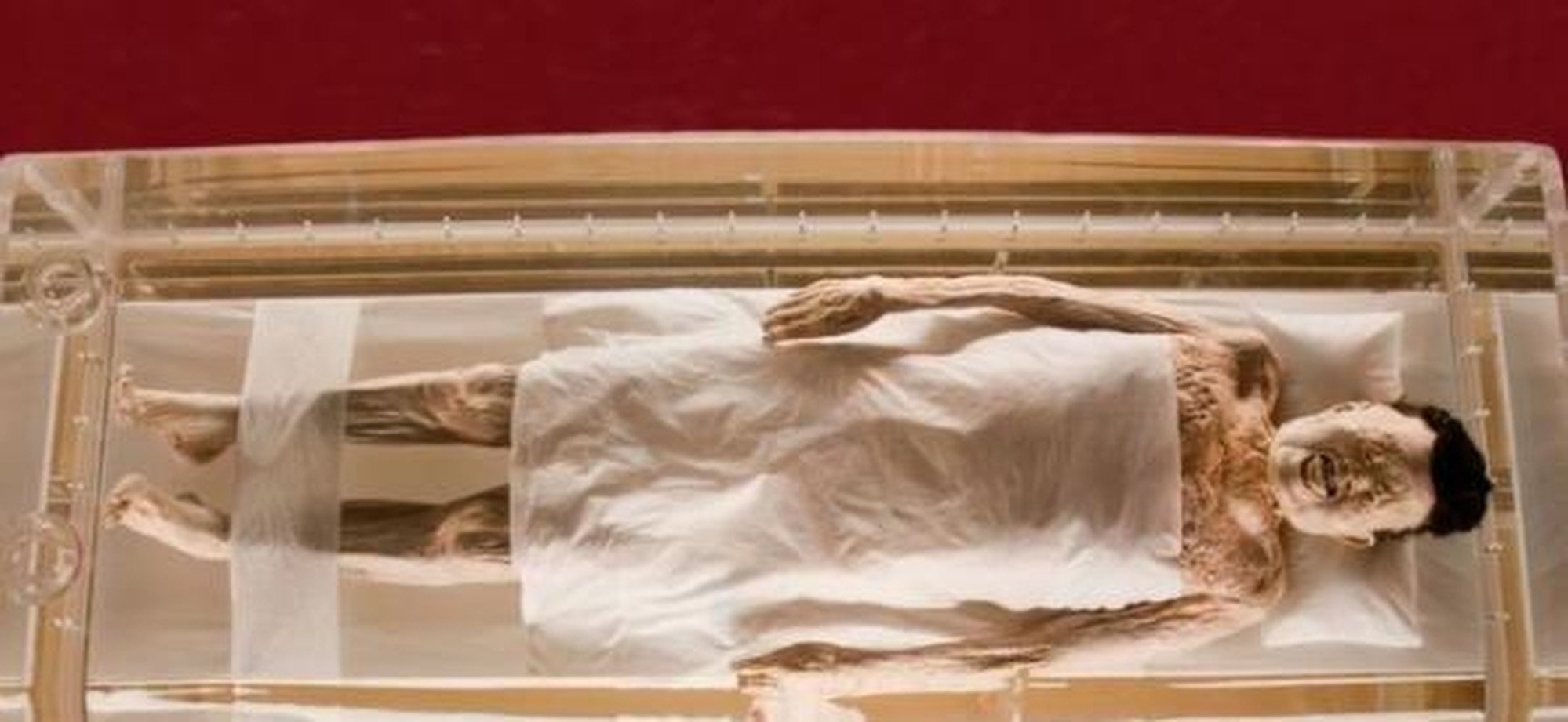
Lady Dai’s mummified body, found in Hunan province in central China in 1972, is renowned for being remarkably well-preserved despite her old age. She is thought to have died of a heart attack around 168 or 169 BC at about 50 years old.
The mummy’s skin is still attached to her body, including soft tissue features like her nose and ears. That being said, her face has been distorted by the decomposition process and is stuck in a grotesque expression, making it impossible to know what she looked like just by photographing the mummy.
She was the wife of Li Cang, the chancellor of the Changsha Kingdom, during the Western Han dynasty (206 BC-25).
Yuan, a forensic facial expert with 30 years of experience in skull reconstruction, previously demonstrated on CCTV his ability to reconstruct a suspect’s face accurately from mere fragments of a broken skull.
He said that, due to the limitations of medical imaging equipment in the 1970s, the team could only use X-ray scans of her skull.
“Our team matched the potential facial features of Lady Dai within the craniofacial database system I developed to establish an approximation of her appearance,” Yuan explained.
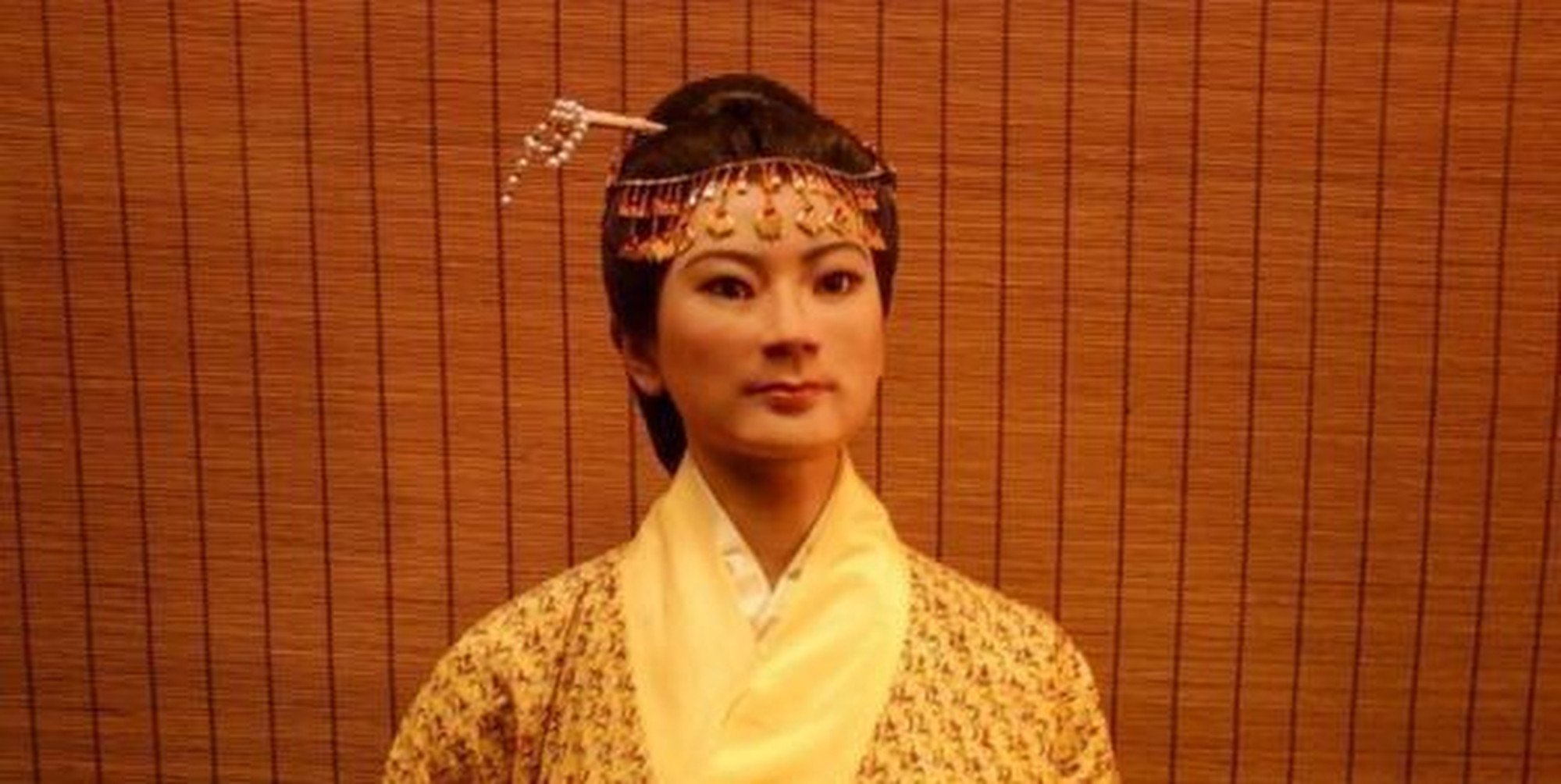
Other online observers complained that Lady Dai, often referred to as the “Sleeping Beauty of the East”, did not appear as beautiful as they had imagined.
“The reconstruction looks too old. A noblewoman’s muscles and skin wouldn’t sag so quickly,” one commented.
“The image seems disrespectful to Lady Dai,” another added.
Yuan, however, explained in the CCTV interview that “Lady Dai’s craniofacial features are relatively ordinary, and she was not the ‘noble beauty’ many people imagine.”
In 2002, the Hunan Museum, where her body and possessions are preserved, invited another forensic facial expert, Zhao Chengwen, to create a wax sculpture of Lady Dai. This wax figure appeared younger and had more traditionally beautiful facial features.