


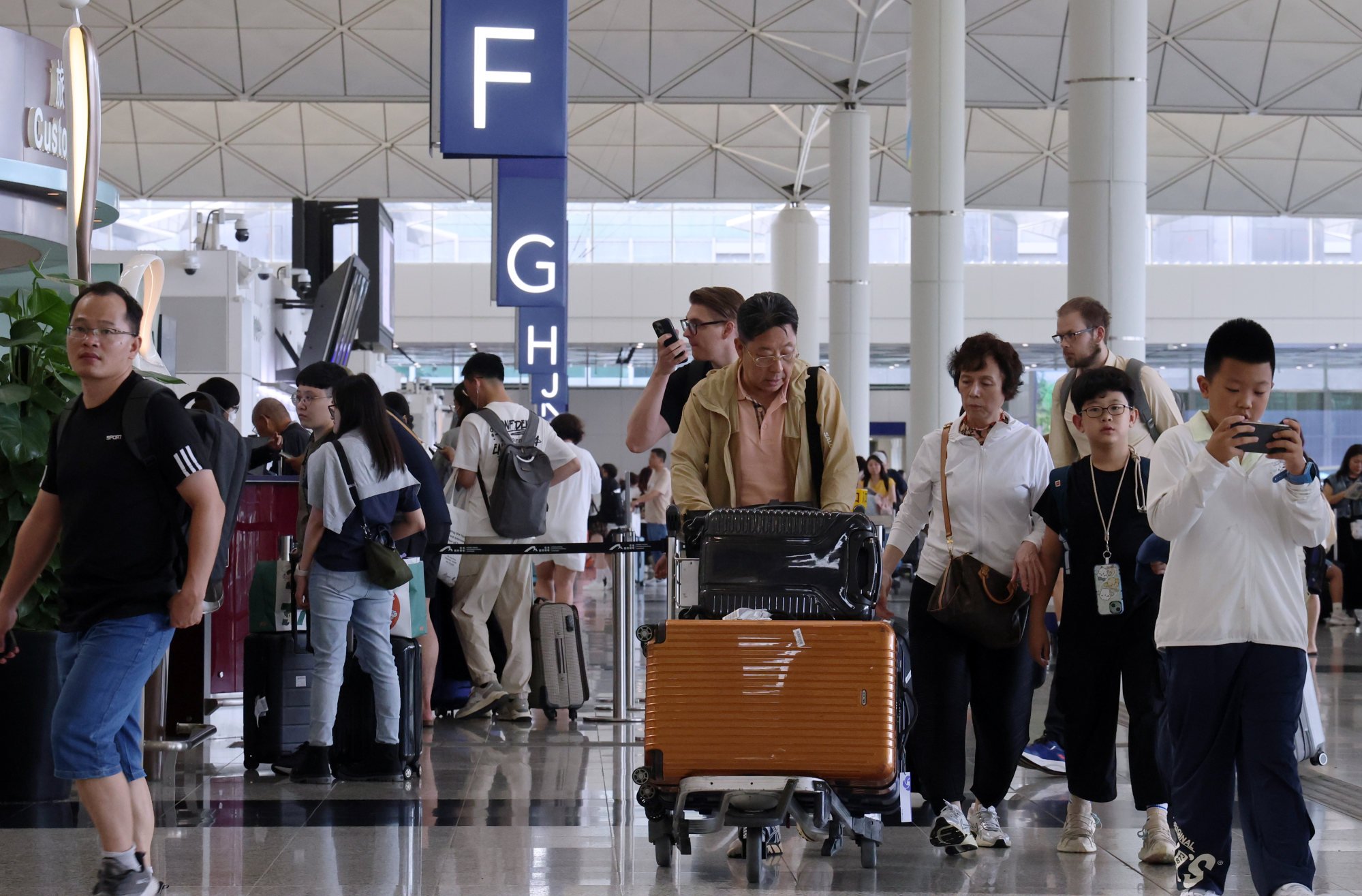
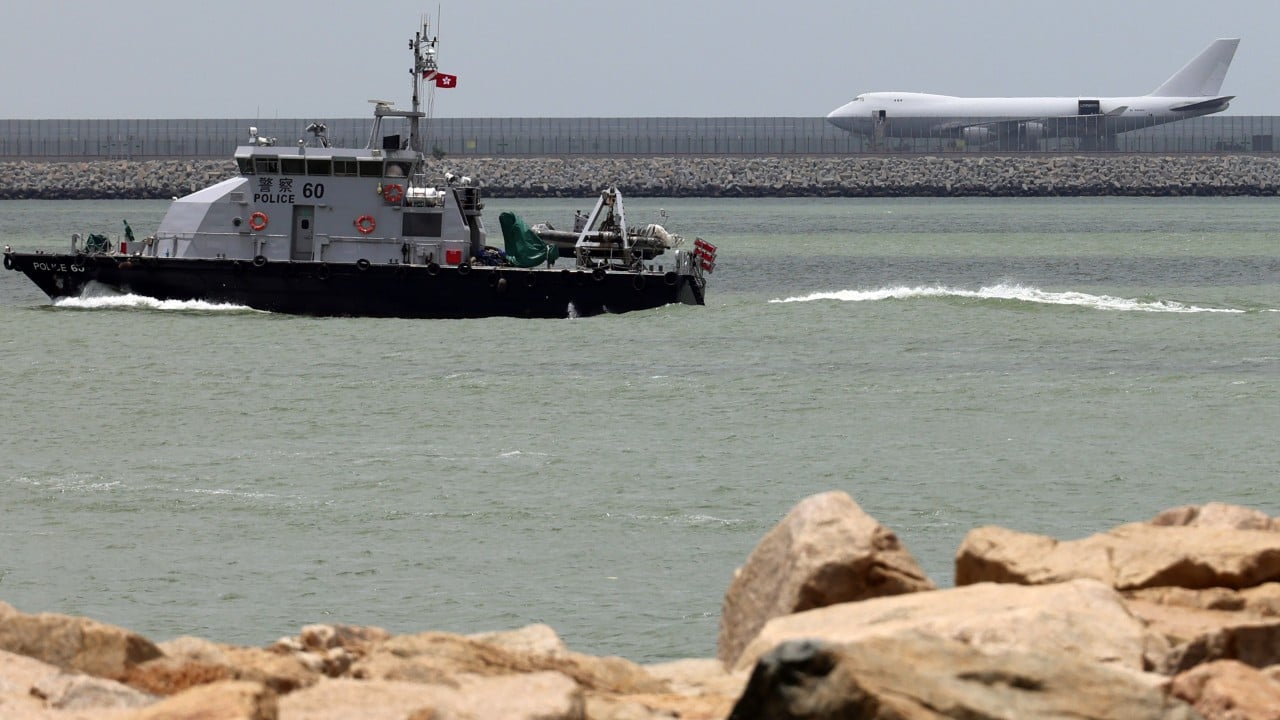
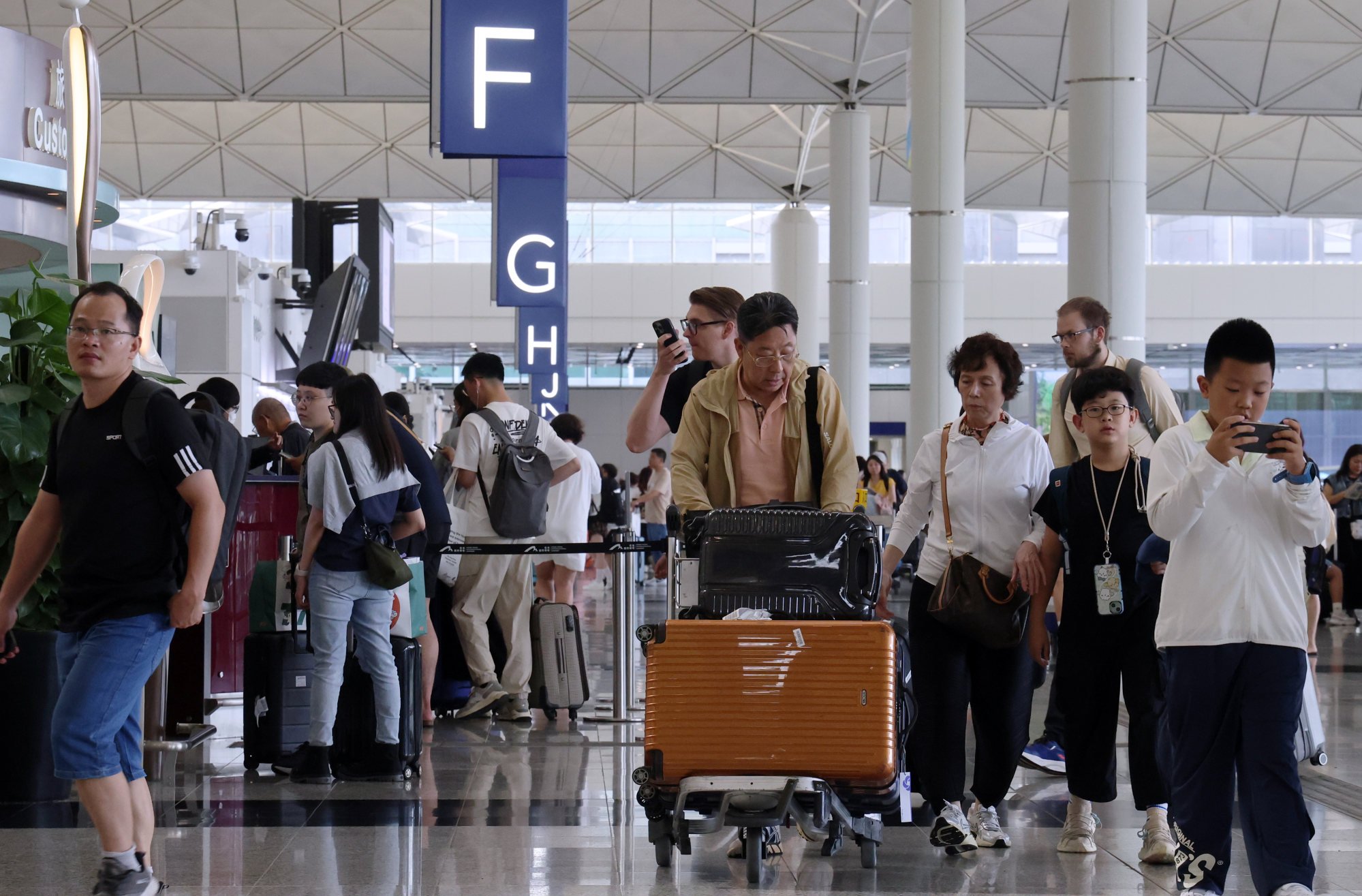
The Air Accident Investigation Authority (AAIA) on Tuesday revealed the extent of the damage caused by the emergency landing of the Atlas Air Boeing 747-400F on June 17, which blocked the runway for about eight hours and caused chaos, with 450 flights delayed.
“The investigation team is conducting a detailed analysis of the data and information collected in order to determine the circumstances and causes of this occurrence with a view to preventing a recurrence, in conjunction with identifying areas for further investigation or lines of inquiry to follow up,” an AAIA spokesman said.
The authority added it would look at the reasons for the failure of the tyres and hydraulic systems, as well as carry out an in-depth examination of retained components from the plane, with some to be examined at overseas test centres.
A post-flight inspection found parts were missing from wheel assemblies, in addition to damage to the tyres.
Some damage to the lower part of the forward fuselage, the lower right wing sections and to components inside the wheel well was also found.
Broken and punctured hydraulic lines were discovered in the right-hand wing landing gear wheel well.
Fluid in three of the hydraulic systems was completely lost.
Warren Chim Wing-nin, the deputy chairman of the Hong Kong Institution of Engineers’ aircraft division, explained there were four hydraulic systems in 747s, with the main one controlling landing gear retraction and flight steering.
“In simple terms, a hydraulic system is a closed circuit where hydraulic fluid is used to transmit pressure through a hydraulic pump,” Chim explained.
“This pressure is then utilised to drive various components or systems of the aircraft.
“A warning message indicating low hydraulic system fluid level is a signal of hydraulic lines being punctured, causing leakage. The pilot made the right call to return the flight.”
He explained that the debris from the burst tyres could have punctured hydraulic lines in the other two systems, which would explain why no fluid was found during the post-incident inspection.
The report said that, during takeoff from Hong Kong at 4.09am, the crew members noticed a slight yawing and vibrations, but no indications of problems with flight capabilities were detected from inside the cockpit.
The four aircrew and an off-duty staff member on board started the take-off procedure and retracted the landing gear as normal.
But a warning message about low levels of hydraulic fluid appeared about 26 minutes after take-off.
The pilot, a veteran with 7,483 hours of flying experience, decided to return to Hong Kong after he followed checklist procedures and consulted Atlas Air’s ground control centre.
He also told air traffic control that because of the hydraulics failure the plane was expected to lose nose wheel steering after it touched down, which meant it would need to be towed off the runway.
The aircraft landed at 7.12am on the north runway without any reported steering control loss.