


South Korea’s security strategy has rested for more than seven decades on a single pillar: its alliance with the United States. That pillar has absorbed one blow after another during Donald Trump’s second term as US president. This week brought a fresh signal that has strained the relationship.
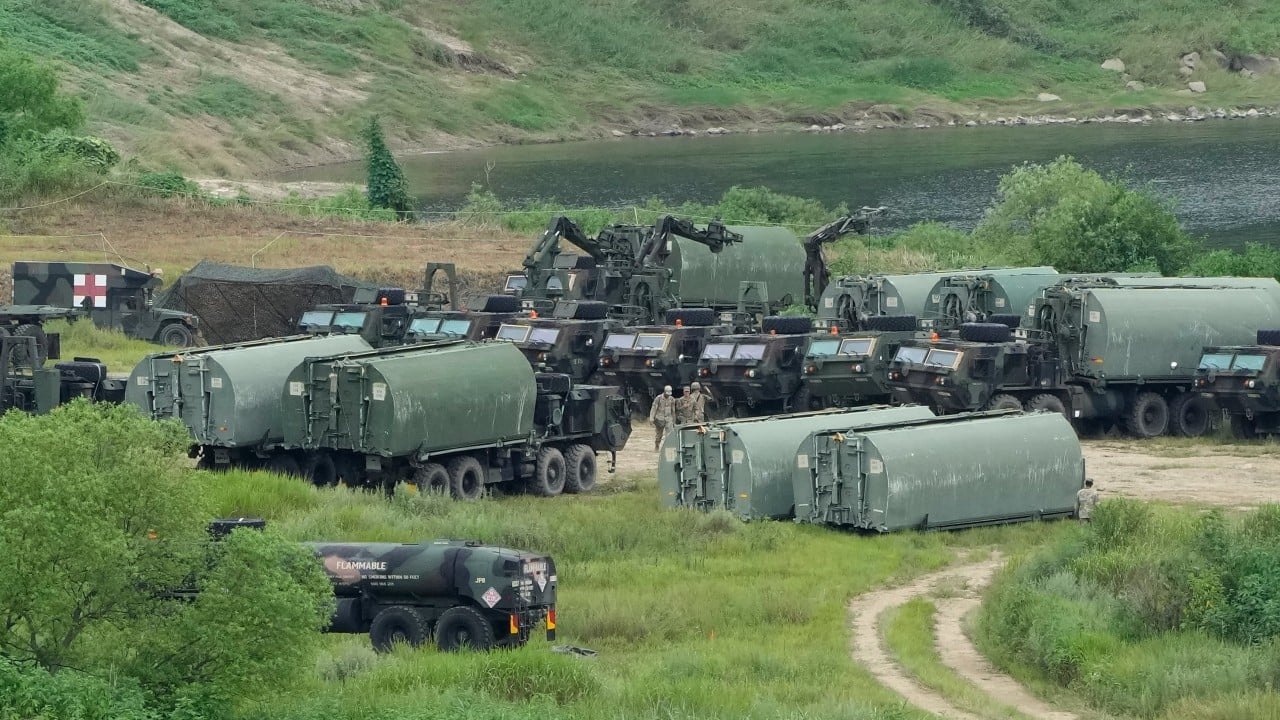
In a social media post, Trump criticised joint US-South Korea military exercises, calling them “costly” and saying they send an “inappropriate and hostile” message to a North Korea he described as “unthreatening and respectful” during his presidency. As a result, he said, the drills would be “substantially” reduced.
Trump also praised his relationship with Kim Jong-un and later claimed to the press that the North Korean leader had responded positively to American overtures for dialogue. The State Department reiterated Washington’s readiness to talk to Pyongyang without preconditions. At the time of writing, North Korea had yet to make an official response through state media.
For Seoul, the message cuts both ways. It can be read as another crack in the alliance. The expectation that South Korea will shoulder most of the burden of its defence is growing heavier, especially as American attention is consumed by conflicts elsewhere. Trump’s parallel complaint in his post about Seoul failing to back US military efforts against Iran only sharpened the sense of a patron losing patience.
The pressing question for Seoul is how much the country should continue to stake its security on a guarantee that Washington increasingly treats as negotiable.
In another reading, the drawdown is precisely the kind of tangible gesture that diplomacy with Pyongyang has long required. Ahead of the US-South Korea exercises, North Korea conducted two ballistic missile tests, which state media branded “a rehearsal for aggressive war”.