


“Char” for Borderland Beat
This article was translated and reposted from PROCESO
After the kidnapping of Los Chapitos in mid-2016, El Chapo Guzmán “issued an ultimatum”: he grabbed El Menchito, who was in jail, “and told El Mencho: ‘If you hand over my children to me, I’ll hand over yours,'” El Mini Lic revealed in an interview with Proceso.
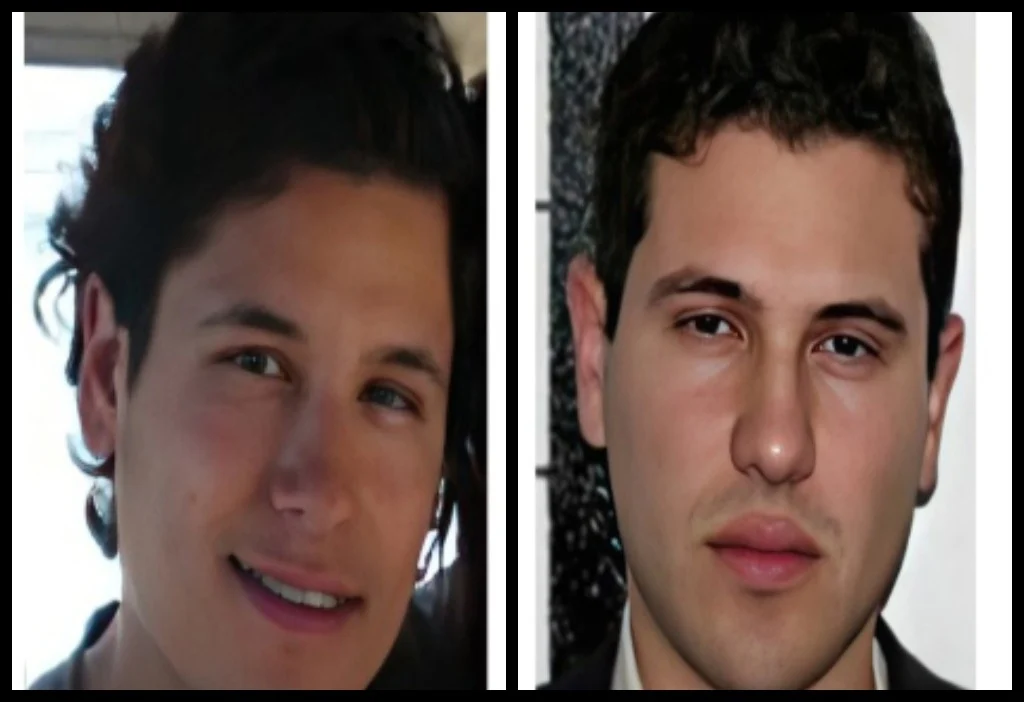
JESÚS ALFREDO GUZMAN SALAZAR & IVÁN ARCHIVALDO GUZMÁN SALAZAR
Mexico City (Proceso). — In mid-2016, with Joaquin El Chapo Guzman behind bars and a few months away from being extradited to the United States, the most important cartel fracture was looming: despite the fact that El Chapo left a letter in which he handed over the reins of his faction of the cartel to Damaso Lopez Nunez, El Lic — probably in an attempt to protect his sons from the future they now face — Los Chapitos did not abide by the direction and a violent fight for control of the organization began.
On August 15 of that year, the birthday of Ivan Archivaldo Guzman, the eldest of El Chapo’s sons, was being celebrated. He and his brothers attended, along with other dinners and very little security, at the fine Leche restaurant in Jalisco. They were still waiting for other guests when a group of armed men beat and kidnapped Los Chapitos. The kidnapping lasted only a few hours, but it was enough to make the news.
There has been much speculation about that kidnapping and those responsible for it. Today, in an interview with Proceso, Dámaso López Serrano, El Mini Lic, offers a first-person account of what happened:
“The truth is that I didn’t plan it. I do know the people who planned it, but I was asked in a WhatsApp group by several people who were fed up with Los Chapitos for what they were doing in Sinaloa. They asked me to investigate if Ivan was going to celebrate in Vallarta. Ok, I investigated and from then on I didn’t hear anything.
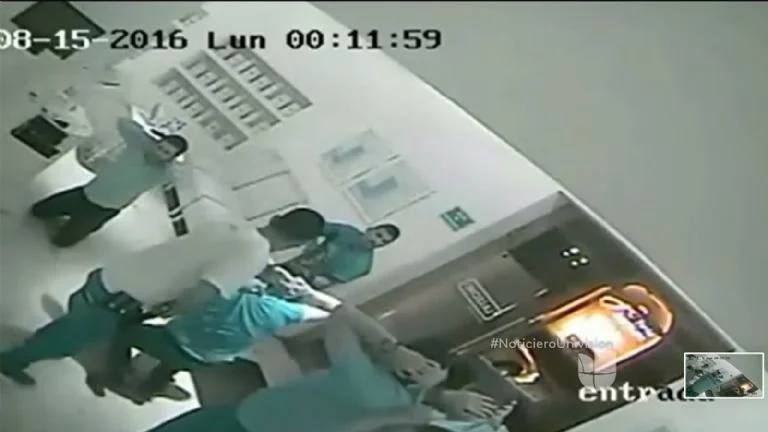
“In that group there were people from various organizations: from the Gulf, from Mexico City, from Canada, from Guerrero, several of us who in one way or another were enemies of Los Chapitos and we began to discuss the possibility of getting them out of the way. I actually made the decision to bring them all together, but as I said, I do everything my father tells me to do. If it had been up to me, Los Chapitos would no longer exist.
“The next day they send me a message. They told me ‘the birds in the cage are here’. I didn’t understand the message. I was having breakfast with a friend of mine in Mexico City and I received this message at approximately eight in the morning. I asked what it was about and they told me: ‘we already have the guys’. And from there began a series of negotiations.
“My dad told me: ‘El Mayo spoke to me and he was very worried and asked if we could help them’. El Mayo asked my dad if he had a good relationship with El Mencho (leader of the Jalisco Cartel – New Generation) or someone in his organization to please release the boys.
“My dad was still defending Los Chapitos. He was trying to talk to someone to get them to let them go, and he said: ‘Maybe I think that with this scare the boys are going to settle down.
“I told him: ‘Dad, do you think at this point? They’re grown up, they know what they’re doing’.
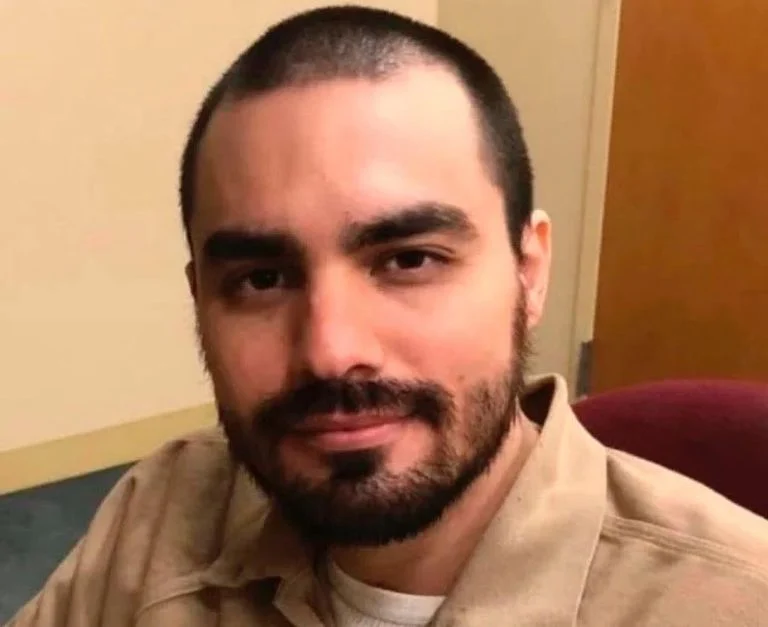
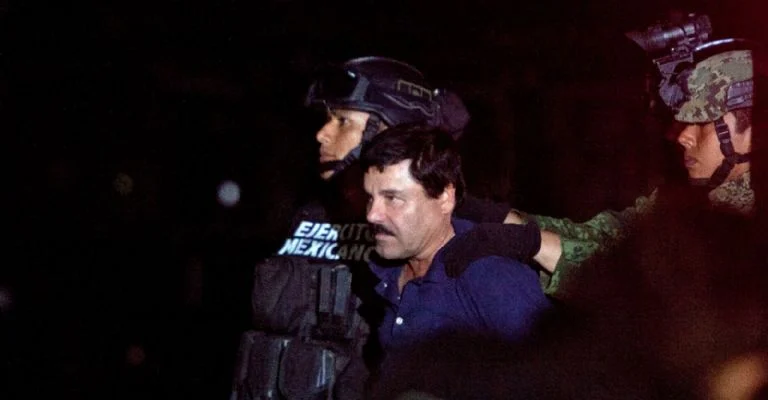
“But my dad insisted and I passed the message to the group to see if they could release them or something. And I’m going to tell you the truth, I would have preferred that this story would have taken a different turn, but I just passed on the message. But the truth is that they are alive because of their father. El Chapo was the one who made the negotiation. Or maybe not a negotiation, but he set an ultimatum. El Menchito was also in prison at the time, so El Chapo asked El Cholo to grab El Menchito and told El Mencho: ‘If you give me my children, I’ll give you yours.
“We really had to negotiate on another level to release them, because if not, they wouldn’t have released them. They picked them up to kill them. That was the slogan. It wasn’t for money, it wasn’t for a scare, it was to kill them.”
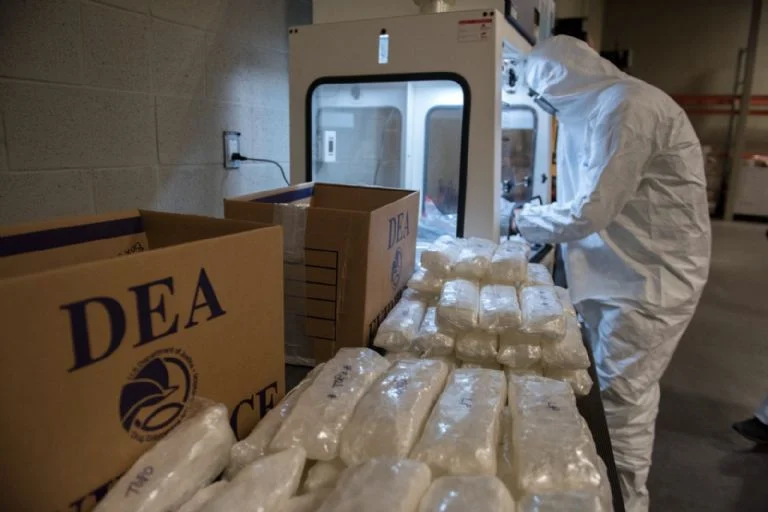
The “Synthetic Chiva
Ten years after fentanyl arrived in Mexico from China, US authorities have launched a strong campaign against alleged producers and exporters of the opioid. Little was said about fentanyl during the cartel’s greenest days: when profits reached more than $50 million a year for a single producer.
Dámaso says that in 2013 fentanyl arrived in Sinaloa, but it was not known as such, but rather as ‘synthetic chiva,’ white heroin mixed with fentanyl. Made in laboratories.
“First we heard it from members of the organization who were talking about this ‘synthetic chiva’ and then those who knew, the chemists, since we asked what that was, they told us it was fentanyl. And we sent people who worked with us to China, and there they were introduced to everything, from how it is made, what it contains, what it doesn’t, how much you have to put in it. And that’s how it arrives in Sinaloa.
“Those men brought several precursors from China and began to produce it in Mexico. Only the base was brought from China, but production began in Mexico.
“I remember it was crazy when we saw how and how much the cartel’s profits had increased. We invested approximately 300 to 400 thousand dollars and with that we manufactured some 350 kilos of ‘synthetic goat’ and each kilo was sold in Culiacán for 18 thousand dollars, and when crossed, in Los Angeles, 30 or 35 thousand dollars. I’m talking about 2014 or so.
“There were people, who are not talked about in the media, who made 30 or 50 million dollars in one year.
–-Los Chapitos recently ordered a halt to fentanyl production.
–Everything was a result of the US government’s declarations that they were going against all the fentanyl producers. As a result of that, the order was given to stop everything in Culiacán. But then it started cooking again, if they are looking for them in the end, it doesn’t matter.
“The halt lasted less than a month. After that, they ordered that no more fentanyl or pills could be manufactured in Culiacán or the surrounding area, that all the laboratories had to be shut down and that no one could manufacture fentanyl or pills. Anyone who wanted to manufacture fentanyl had to buy it from them, from Los Chapitos, or pay a very high tax.
“Many people stopped manufacturing out of fear, others out of fear of the government, others because they couldn’t make ends meet with the tax. And others wanted to skip Los Chapitos’ order and manufacture it on the sly, and those are the dead people who have appeared in Culiacan with fentanyl pills.
“Many of these laboratories were moved to Puebla and others to other states, near Mexico City. The point is that in Culiacan it is not seen that there are fentanyl labs, but at the end of the day it didn’t stop anything. And I can assure you, today they are working harder than before. Much harder than in the last five years.
Dámaso predicts two things: fentanyl will continue to be a multimillion-dollar source of income for some within the cartel — including Los Chapitos — and it will eventually permeate the vast majority of the states in the country.

DAMASO LOPEZ SERRANO “EL MINI LICENCIADO” & DAMASO LOPEZ NUÑEZ “EL LICENCIADO”

NEMESIO OSEGUERA-CERVANTES “MENCHO” LEADER OF CJNG CARTEL

LA LECHE RESTURANT

PUERTO VALLARTA, JALISCO