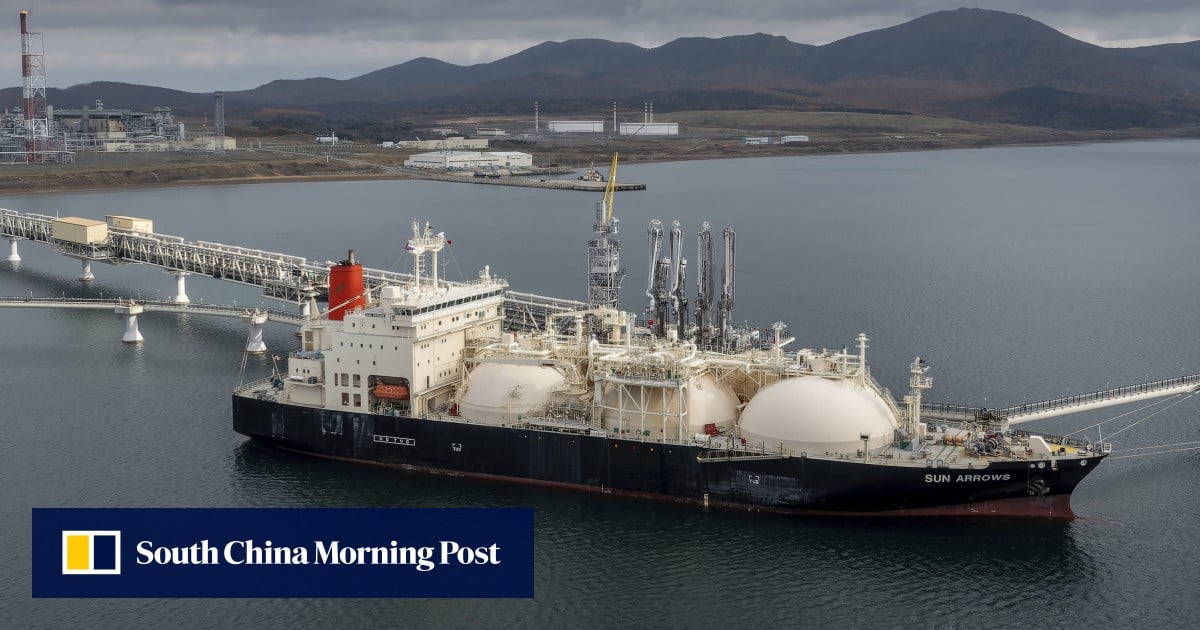
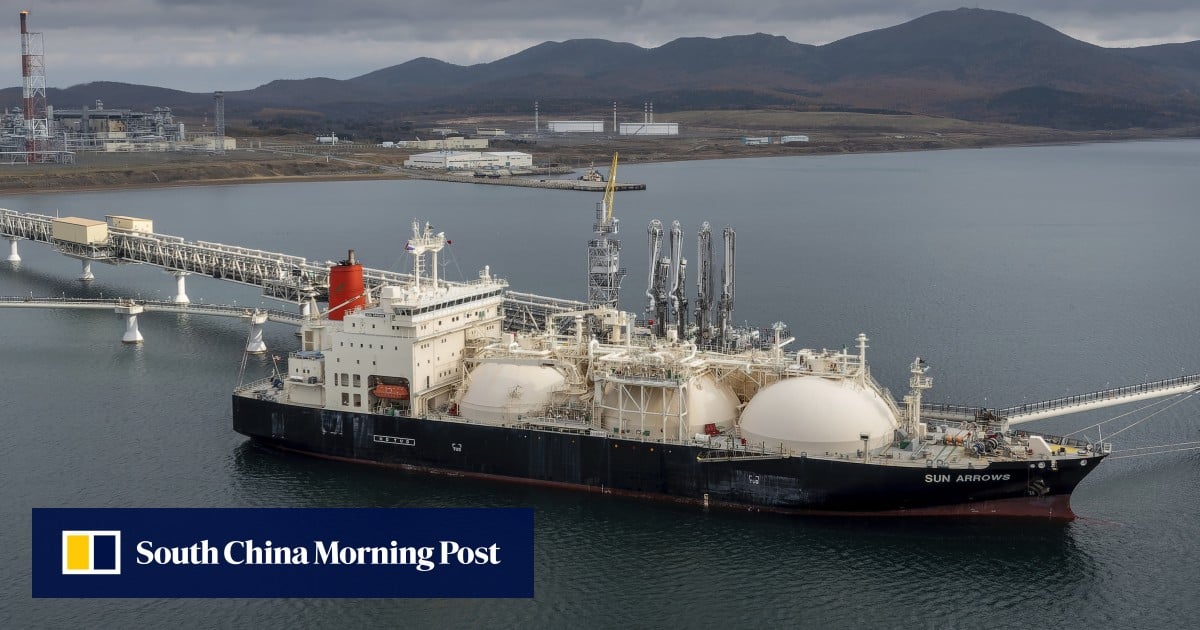
The EU has watered down its latest round of sanctions on Moscow after concluding that banning Greek companies from transporting Russian gas to third countries could hand strategically important shipping assets to China.
To remove a Greek veto against the 21st package of measures aimed at hobbling Russia’s war machine, the bloc’s member states agreed to allow EU operators to continue transporting Russian liquefied natural gas (LNG) to third countries for one year.
Officials explained that China’s role in maritime finance and shipping was behind the carve-out, underscoring the leverage Beijing has built across many sectors of the global economy.
“The bulk of these vessels has been bought through financial arrangements with … a loan with a very long repayment schedule with Chinese investors, and the Chinese are also shareholders of the company,” a senior EU official explained.
“So, if the company will not be able to repay the loan thanks to what they get in terms of revenues from the business, they will simply need to lose control of assets and give it back to the investor,” they added, describing the situation as “very serious” and “a very big risk”.
EU leaders debate new China trade policy over ‘systemic threat’
At the same time, the EU listed 14 mainland Chinese and Hong Kong entities in the sanctions package for their alleged role in flouting Russia bans on dual-use goods originating in Europe or for aiding in Moscow’s war effort, as it continues to pressure Beijing to use its influence over Russian President Vladimir Putin to stop the conflict.