


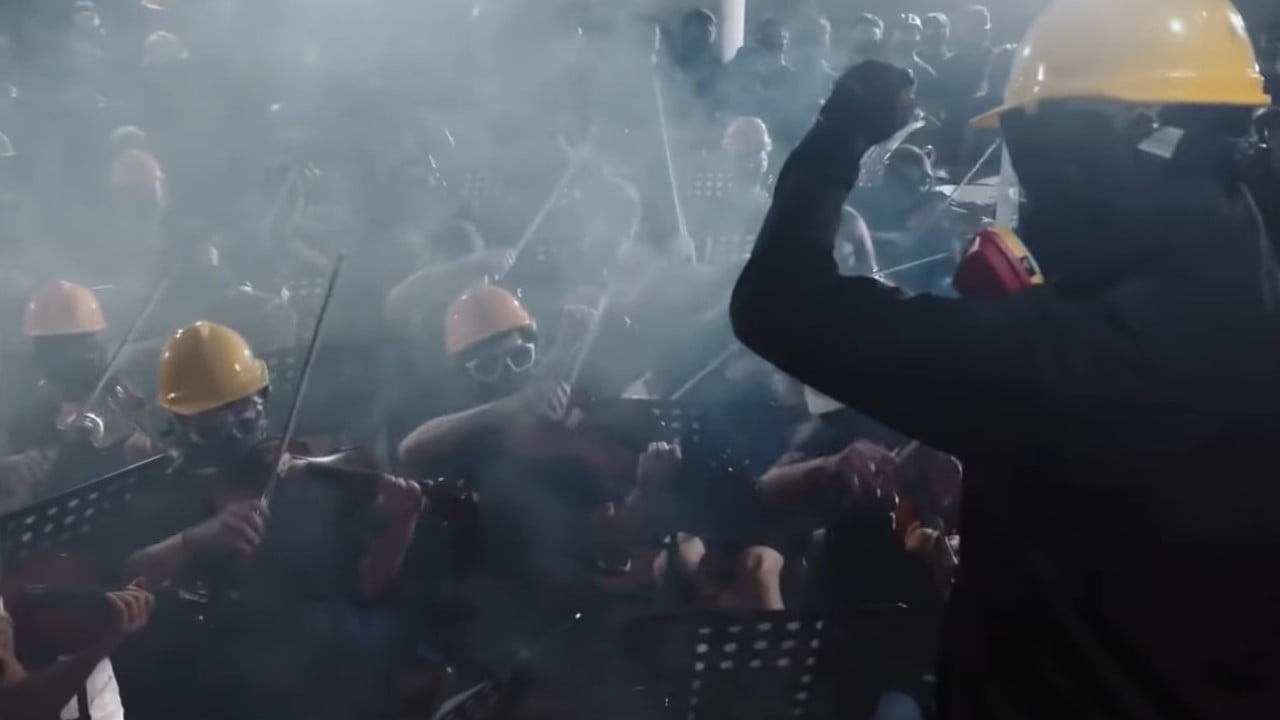
The new tracks include an a cappella version and a new four-track EP titled “Glory to Hong Kong Permanent Edition”, featuring English and instrumental renditions.
“Unreasonable suppression cannot silence people. Even if we lose our instruments, accompaniment and distributor, we will never stop our pursuit of freedom and democracy,” Dgxmusic said in a Facebook post.
“We are striving to restore the old [version] through different channels. We will try new methods to prevent similar incidents from happening again.”
According to the song credits on Spotify, the new distributor of the song is called “7196175 Records DK”.
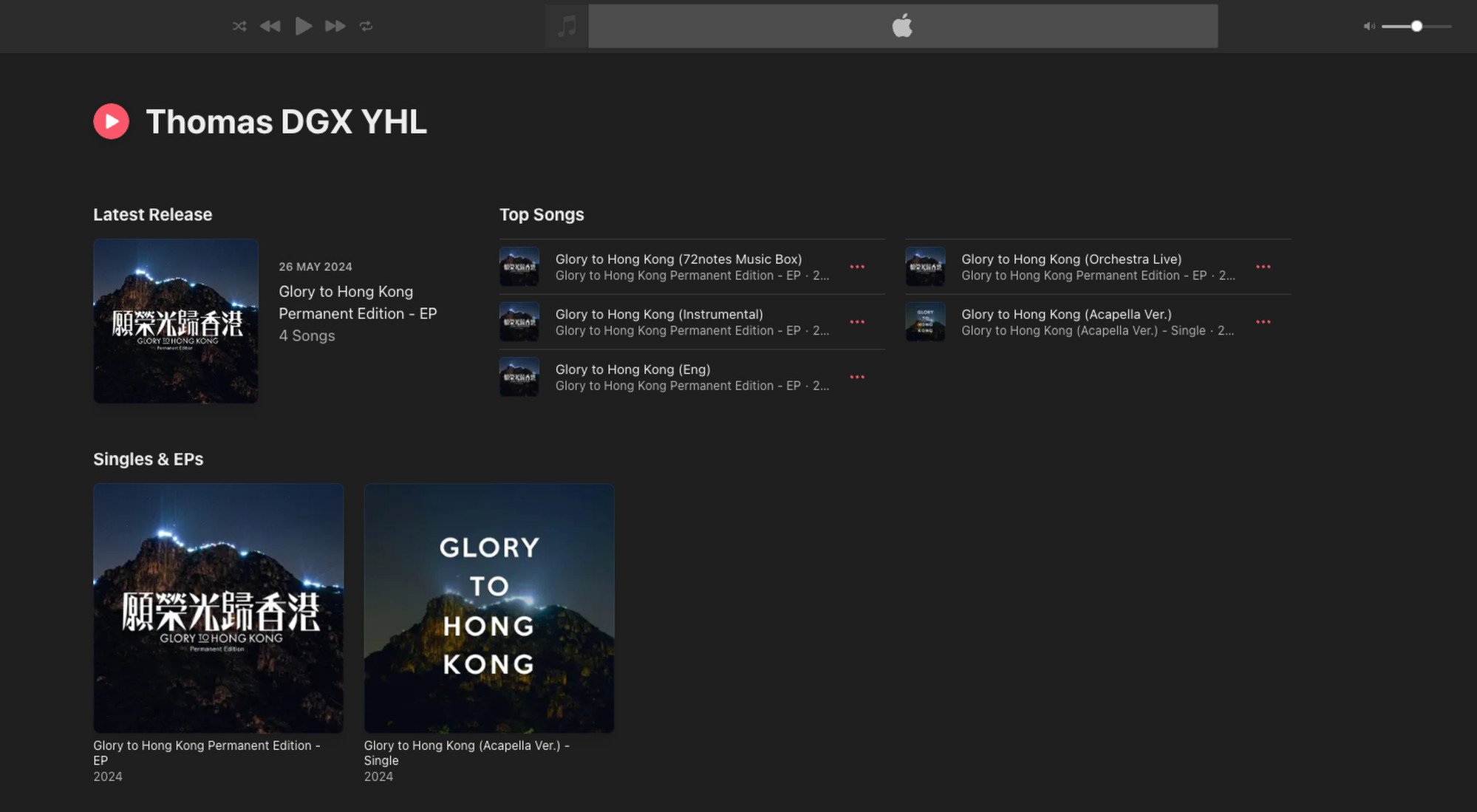
A Post check found that the new versions, which were also uploaded to YouTube on Monday, had not appeared on the popular Taiwanese music platform KKBox.
Ally Gray, the managing director of EmuBands, earlier denied claims the company had bowed to censorship by removing the song from global platforms. Rather, it was a “small business” that could not afford the cost of hiring legal experts to assess an “evolving and complex situation”.
The Court of Appeal ruled on May 8 in favour of the government and granted an interim injunction after the administration took the matter to court last year.
The court agreed that the song had become a “weapon” that could be used to rouse anti-government and separatist sentiment in the city.
The injunction bans people from “broadcasting, performing, printing, publishing, selling, offering for sale, distributing, disseminating, displaying or reproducing [the song] in any way” with the intention to incite others to separate Hong Kong from the rest of the country, commit a seditious act or insult the national anthem, “March of the Volunteers”.
The song has frequently been mistaken overseas for the national anthem of China.
The court document listed YouTube videos of 32 versions of the song said to be in breach of the injunction, including instrumental renditions, as well as performances in Mandarin, English, German, Dutch, Japanese and Korean.
YouTube, owned by Google, said earlier this month that it had complied with the order and blocked access to 32 clips for viewers in the city.