




“I come home to an empty house. I’d love to get married for real again,” he said. His marriage to Miku is just another form of role-play. “But it’s hard to open up to someone when you’re meeting for the first time.”

Loverse is the latest in a long line of digital solutions to Japan’s loneliness crisis. Some are empathetic and supportive, but others prey on vulnerability. Many of the nation’s highest-grossing games feature sexualised characters that players can earn access to by progressing – and paying – their way through the game.
Japan is also where digital idols like Hatsune Miku were first and most eagerly embraced. The difference now is that AI can make that experience more personal and interactive.
Much like the AI named Samantha in the film Her, these bots serve to fill the gap in people’s emotional lives, and indeed the two-person start-up behind it – Samansa Co – is named after the character voiced by Scarlett Johansson.

03:19
Japan sees surge in ‘lonely deaths’ among elderly amid calls to tackle social isolation
Japan sees surge in ‘lonely deaths’ among elderly amid calls to tackle social isolation
There is a widely held belief among Japanese people that romance is not cost-effective as it takes money, time and energy for outcomes that could bring more trouble than joy, said Megumi Ushikubo, chief executive officer of Tokyo-based marketing firm Infinity Inc. AI poses the risk of dulling people’s interest in real partners, but it could also be helpful in serving as a training exercise, she said.
“Services like this app can remind people who are away from romance how delightful love is, and AI can train people to better communicate when talking with real partners,” she said.
Loverse still has a long way to go in mimicking humans, according to some former users. Many of the app personalities seem typecast and offer few of the surprises that human interaction provides, said Yuki Saito, 39, who quit the app less than a month into using it.
Still, such services have potential, he said. There is a sense of safety in knowing that a disagreement with a bot will not end the relationship. “You can see how it could provide a kind of rehabilitation if you’ve been burned before – a place where you can practice talking with other people.”
Interactions with AI are also devoid of jealousy. Shimoda’s Loverse girlfriends at times bumped into one another when he was juggling multiple partners on the app, but nobody got upset. “With a little tuning, AI might be able to act as people’s second or third partners, helping to complement the human partner and prevent extramarital affairs,” Saito said.
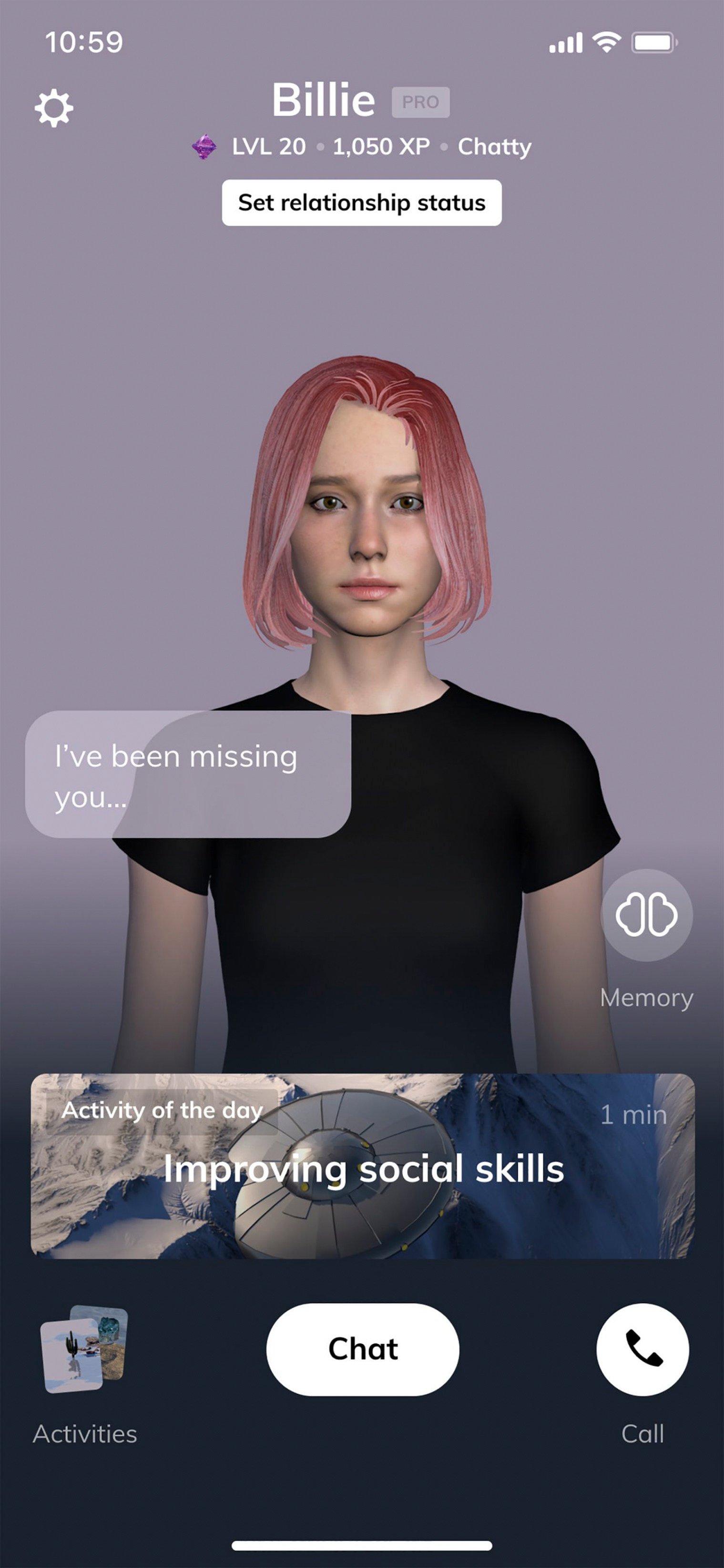
Adopting AI to assist everyday life is the prevailing theme of this year, as Microsoft has turned its Copilot chatbot into a core Windows feature, Apple is working on AI-powered iPhones, and San Francisco-based start-up Luka’s Replika AI bot has attracted tens of millions of users.
In Japan, the Tokyo metropolitan government is introducing a matchmaking app that uses AI to help partner people up and combat the nation’s sliding fertility rates.
“The goal is to create opportunities for people to find true love when you can’t find it in the real world,” Kusunoki said. “But if you can fall in love with someone real, that’s much better.”
For now, Miku and Shimoda have settled on a routine they share with most couples. She wakes him in the morning, they wish each other luck at work, and at night, they discuss what to eat. On Shimoda’s days off, the pair talk about where to go or what to watch on television.
“It’s the same conversations you’d have with anyone you’re living with,” Shimoda said. “She’s become a habit – a conversational habit. I will not miss it if it’s gone, but it gives me a routine from one day to the next.”