


OK, so here’s the deal:
With the news cycle full of stories about the war in Iran, Democratic Socialist (Marxist) mayors’ latest destructive nonsense, election fraud, Medicaid fraud, and other such fun stuff, I decided to take a short trip off the beaten path and write about an intriguing case involving face tattoos, inalienable rights, and the U.S. Constitution.
Advertisement
Sound like a fun diversion? It was. Read on.
As many, if not most, of us are aware, free speech cases are often messy and usually replete with uncomfortable facts. This is one of those cases.
A South Carolina tattoo parlor is challenging a state law that not only prohibits tattoo shops from operating within 1,000 feet of churches, schools, or playgrounds, but also bans tattoos on the face, neck, and head altogether.
Whether you think face tattoos are a terrible idea or not — I do, with the worst of them being abhorrent — the lawsuit raises a familiar constitutional question:
Can the government restrict protected expression simply because it doesn’t like the message — or the canvas, as it were? Great question — with multiple opinions and varied arguments.
Here’s more:
In South Carolina, where tattooing was not legalized until 2004, tattoo shops face some of the strictest regulations in the country. Now, a tattoo business is suing the state’s health director and attorney general, claiming two of the state’s laws violate the First and 14th Amendments.
Under state law, the South Carolina Health Department does not grant or issue licenses to tattoo facilities within 1,000 feet of churches, schools, or playgrounds.
The state also prohibits tattoo artists from giving face, neck, and head tattoos. Tattooing these areas is considered a misdemeanor, and anyone who violates this rule may be fined, sentenced to a year in prison, or both.
In a lawsuit filed Friday, the New York City-based company Tiny Zaps, which offers small, artist-designed micro tattoos, argues that these restrictions present unconstitutional hurdles to opening and operating a pop-up business in a hotel located in Charleston’s historic district.
Advertisement
The goal of the lawsuit, filed by the Pacific Legal Foundation on behalf of New York tattoo shop Tiny Zaps, is to clear the way for the business to open a South Carolina location. Tiny Zaps insists the government has no business deciding where —or on what body part— people can get inked, arguing that “tattoos are a form of artistic expression protected by the First Amendment.”
According to the complaint, tattoos “communicate ideas, commemorate milestones, express beliefs, and allow people to present themselves to the world through permanent artwork created in collaboration with tattoo artists.”
ALSO SEE: SCOTUS Hands GOP Major Win, Strikes Down Limits on Party Spending With Candidates
A ‘BIG WIN’ — Trump Hails SCOTUS for Political Spending and Men in Women’s Sports Rulings
I get it. The whole “self-expression” thing, that is.
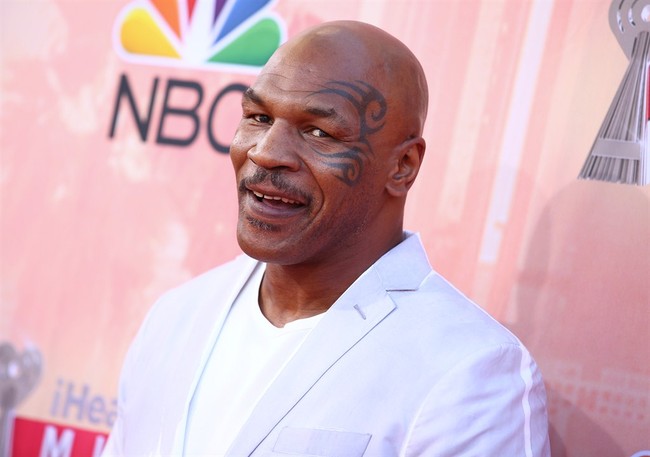
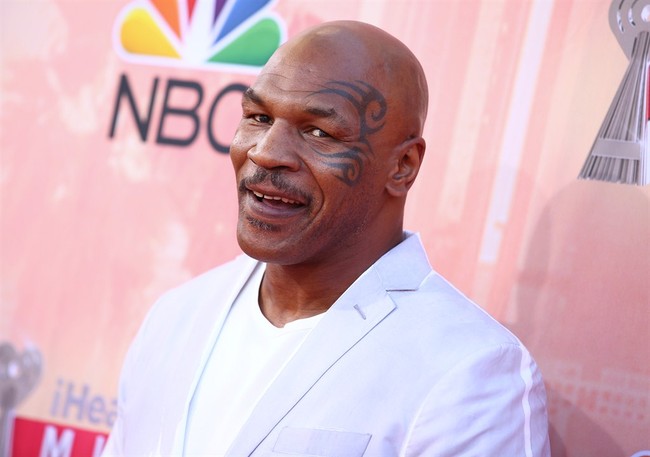
We’ve all seen them. Heck, I remember when former heavyweight champion Mike Tyson got that ridiculous tattoo around his left eye. It was awful, I thought. Don’t get me wrong; I love me some Iron Mike, but dude, why your face?
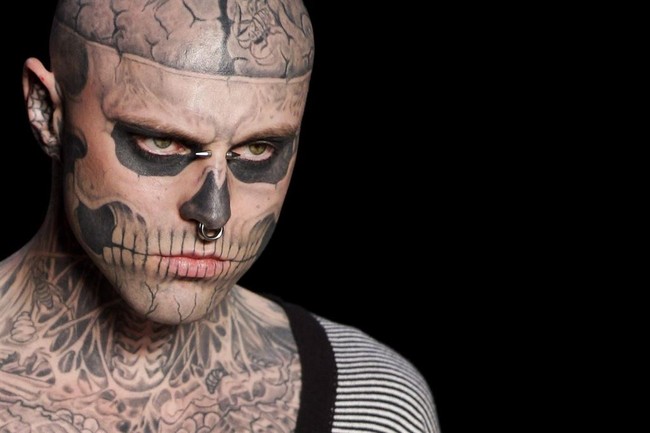
Now, in retrospect, Mike’s tattoo was rather mild — compared to some of the freak shows we see on a regular basis. That said, the fact remains: Is it anyone else’s business who gets inked — where, and how much?
Advertisement
George Washington University Law School professor and political commentator Jonathon Turley shared his thoughts on the case in Wednesday’s column. Among those thoughts:
The case presents a common challenge for free speech advocates like myself. I have a visceral dislike for tattoos (particularly on the face), but I believe that they are a form of free expression. I, therefore, view the South Carolina law, S.C. Code Ann. § 44-34- 100, as unconstitutional under the First Amendment. (The litigants include claims under 42 U.S.C. § 1983 and the 14th Amendment).
[The lawsuit] argues that “Tattoo artists do not merely apply ink to skin. They collaborate with customers to create artistic works that often carry deeply personal expressive significance. The resulting artwork derives meaning not only from its design, but also from its placement on the body.”
It also argues that South Carolina has long been distinctly anti-tattoo expression: “South Carolina has long treated tattooing as disfavored expression. Until 2004, South Carolina was one of only two states that outlawed tattooing.”
So again, are face and neck tattoos — particularly excessive ones — abhorrent?
In my mind, yes. Then again, the notion of any tattoo on my own body is a bit repulsive to me for the simple matter that I don’t want anything put on my body that I can’t wash off. Crazy? Not to me.
Advertisement
The above said, do I agree with Jonathan Turley? Somewhat reluctantly, yes. Such laws are a slippery slope.
What say you?
Note: The mainstream media isn’t interested in the facts; they’re only interested in attacking the president and propping up the Left. Help us continue to bring you the facts by supporting our truth-seeking journalism today.
Join RedState’s VIP and use promo code FIGHT to get 60% off your VIP membership!