


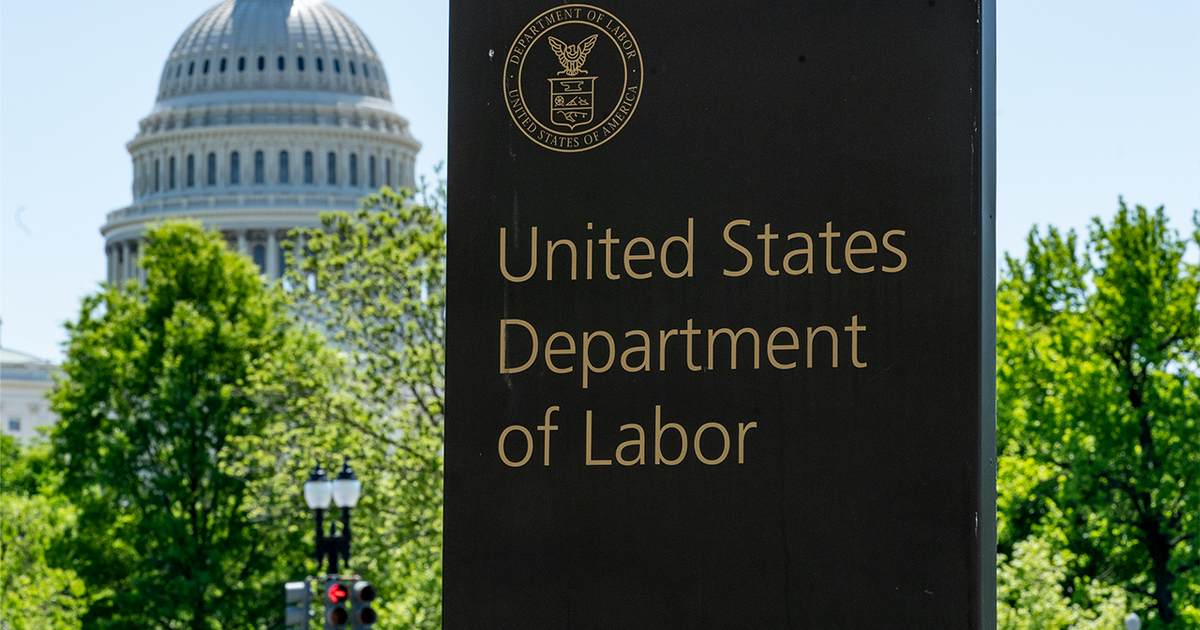
With Election Day almost here, President Donald Trump has given Republicans a last-minute healthcare accomplishment worth talking about: employers will get to see more of what prescription drug middlemen are doing with their money.
Advertisement
On October 29, the Labor Department finalized a rule requiring pharmacy benefit managers (PBMs) to disclose compensation to large employers with self-insured health plans, meaning those with at least 100 plan participants. These businesses pay their workers’ health claims, yet they haven’t always been able to get a full accounting from the companies managing their prescription benefits. As Labor Secretary Keith Sonderling put it, “PBMs have operated in the shadows, pocketing hidden fees while workers and employers were left in the dark.” RedState’s Becca Lower first covered the announcement earlier this week.
“Spread pricing” is among the practices employers will get to examine. A PBM can charge the health plan more for a drug than it reimburses the pharmacy, then keep the difference. The rule requires disclosure of that compensation, manufacturer rebates, and money recouped from pharmacies. It also gives employers the right to audit the disclosures. The rule implements transparency reforms Congress passed earlier this year in the Consolidated Appropriations Act, 2026.
In an exclusive statement to RedState, Utah Treasurer Marlo Oaks credited Trump with helping employers uncover hidden costs:
“President Trump is once again delivering on his promise to bring real transparency and accountability to healthcare. His administration deserves tremendous credit for putting American employers and workers first. By exposing hidden costs and empowering businesses to save money, this rule is a major win for workers, taxpayers, and retirees.”
Recommended
Advertisement
Utah Auditor Tina Cannon welcomed the change, too, but she had another group of healthcare vendors in mind:
“The Department of Labor should now build on that progress by extending these same transparency requirements to third-party administrators, ensuring employers have the complete picture of where their healthcare dollars are going. State financial officers like me are taking notice and will use this information to demand greater accountability and to protect the retirements and pensions of our constituents.”
Up to $22 billion (undiscounted) in lower prescription spending over a decade is the administration’s estimate. Getting there will take more than collecting reports. Employers will have to go through the numbers and use them when bargaining with their PBMs.
There’s a wait: the rule takes effect January 4, 2027, and its requirements cover plan years beginning on or after July 1, 2027. Trump has finished the rule before the election. The savings, if employers can secure them, come later.
For Nebraska Auditor Mike Foley, the stakes also include companies whose shares are held by public employee pension funds. In a statement to RedState, he said:
“I thank President Trump and his administration for giving employers the light to see what they’re actually spending each year and the power to negotiate changes. For companies in which the pensions of state employees like teachers and police officers are invested, helping them examine healthcare overspending is very much our shared fiduciary duty.”
Advertisement
The ERISA Industry Committee, representing large employers, and the National Community Pharmacists Association both welcomed the decision. David Marin, who heads the PBM trade group Pharmaceutical Care Management Association, objects. He calls the rule redundant because Congress already acted, contends the department may have overstepped its authority, and warns that smaller PBMs could struggle with the reporting demands, leaving less competition and higher costs.
Employers can weigh those warnings against what they learn about their own contracts. The three biggest PBMs, UnitedHealth’s Optum Rx, CVS’s Caremark and Cigna’s Express Scripts, handle about 80 percent of U.S. prescriptions.
Cannon wants the Labor Department to go after third-party administrators next. For now, employers will get to check the numbers, and the PBMs know it. Every contract negotiated once the rule applies will be a different conversation.
Editor’s Note: The 2026 Midterms will determine the fate of President Trump’s America First agenda. Republicans must maintain control of both chambers of Congress.
Help RedState continue to report on the Democrats’ radicalism and inform voters as our nation faces a crossroads. Join RedState VIP and use promo code FIGHT to receive 60% off your membership.