


An arms embargo covering the Darfur region has been in place for more than two decades – and will expire next month if not amended or renewed.
Observers say it seems to have done little to stop the flow of weapons into Darfur, which has witnessed some of the worst fighting since the conflict erupted in April 2023.
Ethnic violence witnessed 20 years ago has reignited in Darfur, with UN experts saying atrocities allegedly committed by RSF fighters as they took over the city of el-Fasher last October showed the “hallmarks” of genocide.
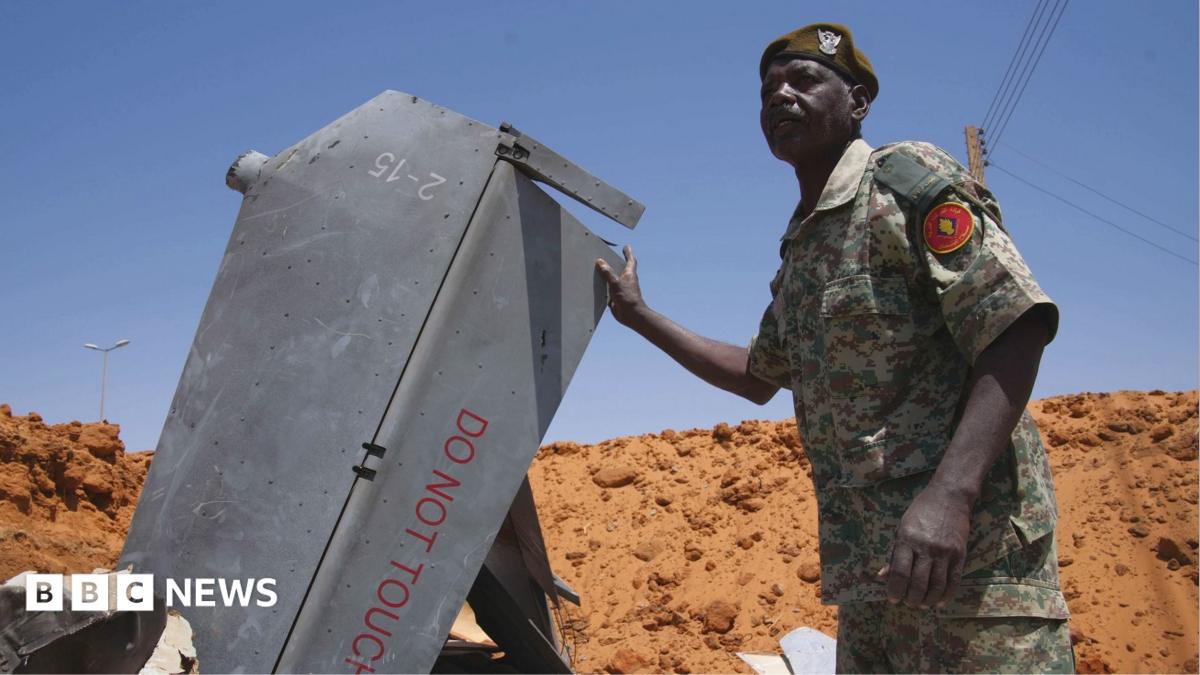
At the council meeting, UN’s humanitarian chief, Tom Fletcher, warned that fighting had in recent weeks been “characterised by the heavy use of drones”.
Rosemary DiCarlo, the UN’s under secretary-general for political and peacebuilding affairs, told the council that civilians were facing “the unrelenting consequences of one of the worst humanitarian crises of our time”.
“Drones launched by both sides have repeatedly struck markets, schools, fuel stations and water infrastructure,” she said, adding that the UN had documented that 1,100 civilians had died in drone strikes between January and June this year.
DiCarlo noted that the true death toll since the war began was uncertain but was “likely to be in the hundreds of thousands”.
The continued use of “sophisticated weaponry” pointed to ongoing external support to both sides, she added.
Boulos said the US plan included a proposal to increase the number of experts monitoring the embargo.
He asked the council to take steps to curtail “external actors” fuelling the conflict, adding that this “risks drawing more regional actors and neighbours deeper into Sudan’s conflict”.
Sudan’s military chief seemed unfazed by the proposals under discussion by the UN.
“The continuing talk about the possibility of imposing sanctions on the country will neither affect us nor weaken our resolve,” Gen Abdel Fattah al-Burhan told a police graduation event in the capital, Khartoum, on Monday.
The flow of weapons into Sudan has been analysed by various experts.
Amnesty International has in the past said it found evidence of weapons manufactured in Serbia, Russia, China, Turkey, Yemen and United Arab Emirates (UAE) being used in Sudan.
The UAE in particular is accused of being the main provider of arms and support to the RSF, who in turn is accused of using the UAE as a marketplace for illicit gold sales. Both parties have repeatedly denied these allegations.
Sudan’s military has used Turkish and Iranian drones, and it receives political and other backing from Egypt, Qatar and Saudi Arabia.
The two warring rivals had been allies – coming to power together in a coup in 2021 – but fell out over an internationally backed plan to move towards civilian rule.