


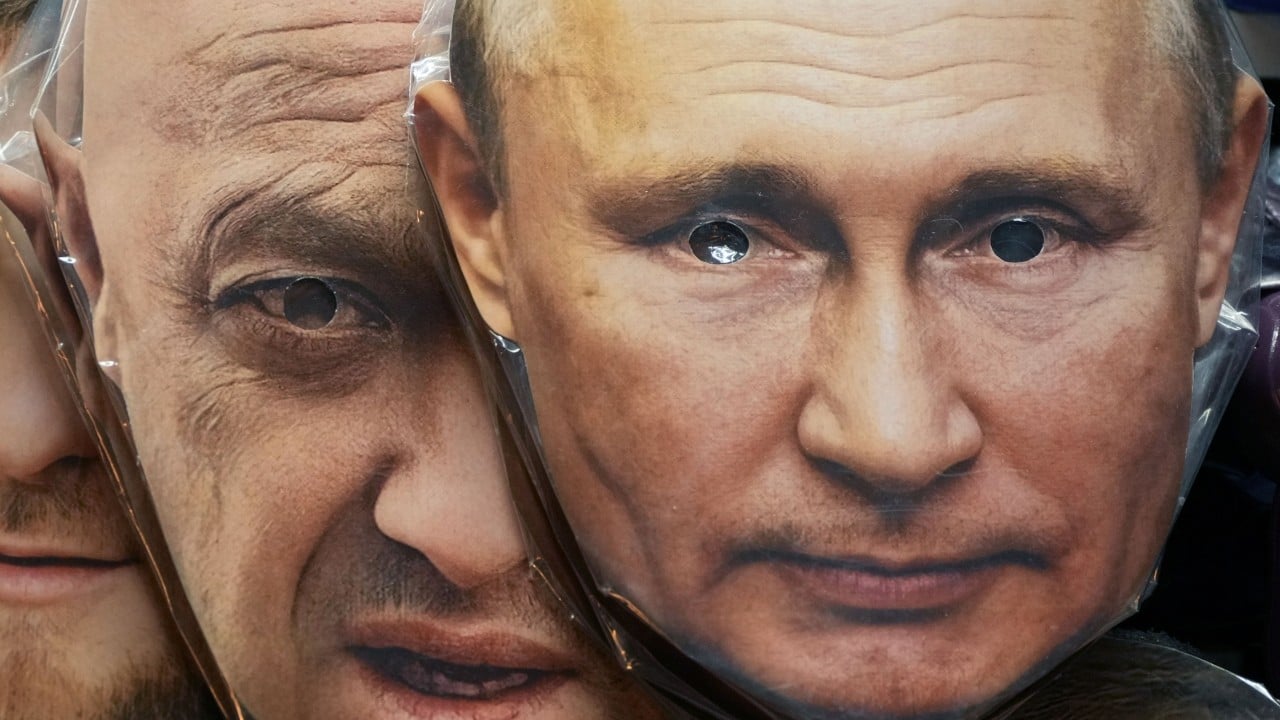
Russian mercenary chief Yevgeny Prigozhin is believed dead after a private plane on which he was listed as a passenger crashed north of Moscow with no survivors on Wednesday.
The Wagner Group boss, 62, spearheaded a mutiny against Russia’s top army brass on June 23-24, which President Vladimir Putin said could have tipped Russia into civil war.
Others who have opposed Putin or his interests have also died or come close to death under unclear circumstances.
Here are some details about these mysterious incidents:
Alexei Navalny
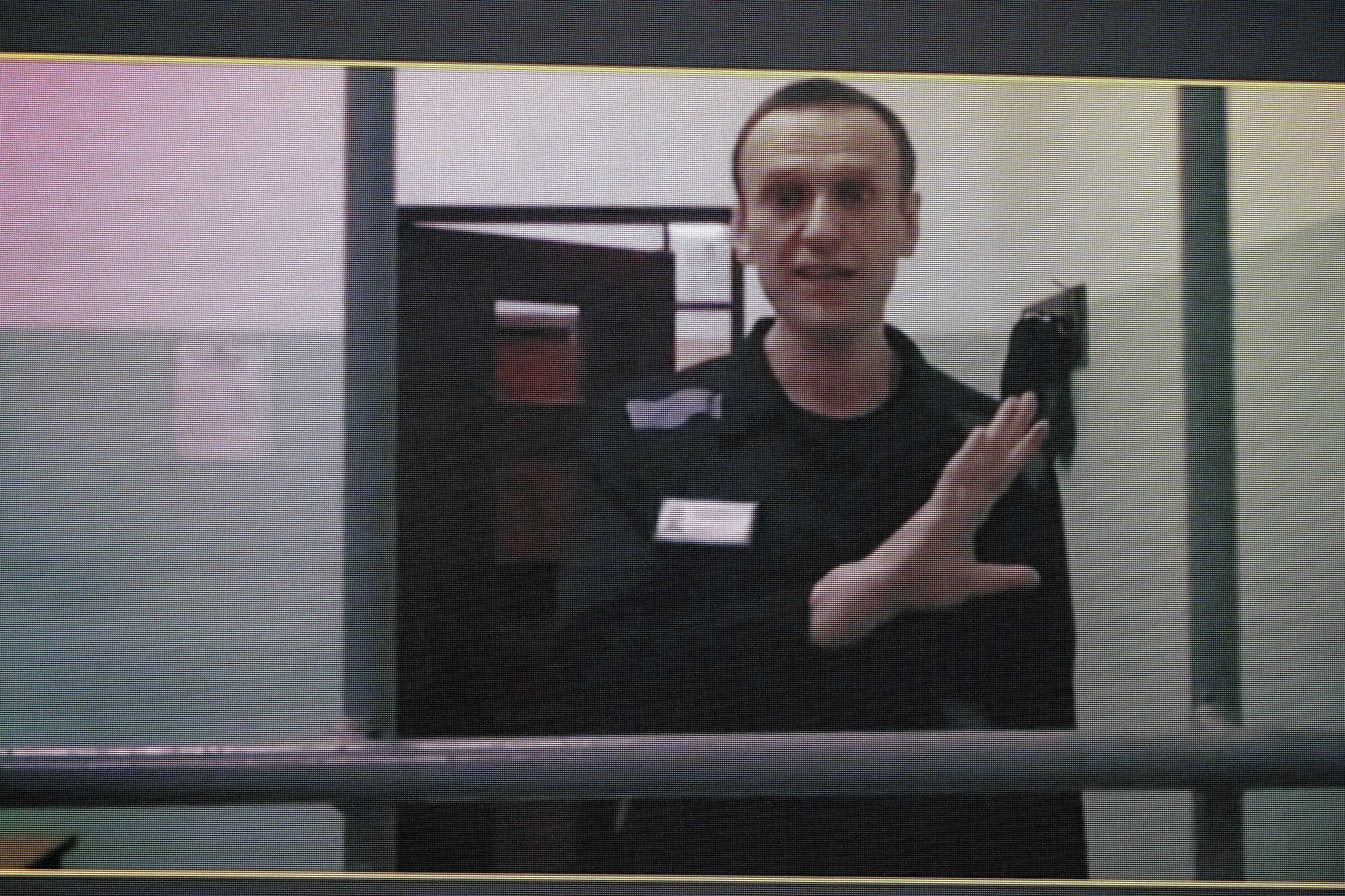
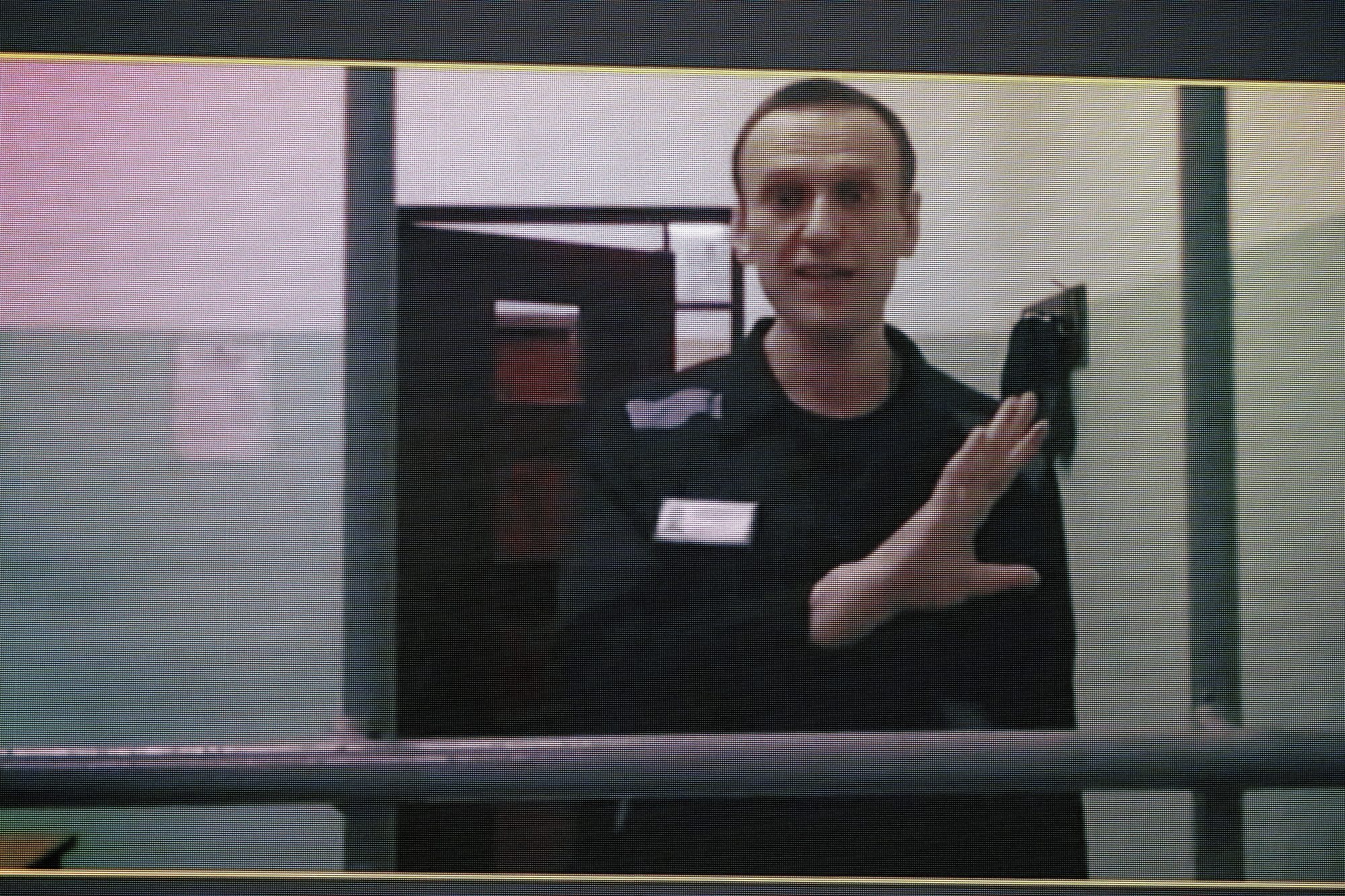
Russia’s most prominent opposition leader, Alexei Navalny, was flown to Germany in August 2020 for medical treatment after being poisoned in Siberia with what Western experts concluded was the military nerve agent Novichok.
Russia has denied any involvement.
Navalny earned admiration around the world for voluntarily returning to Russia in 2021. He was immediately arrested on arrival. He is now serving sentences totalling 11½ years on fraud and other charges that he says are bogus. His political movement has been outlawed and declared “extremist”.
Advertisement
Navalny had an extra 19 years in a maximum security penal colony added to his jail term recently.
Sergei Skripal
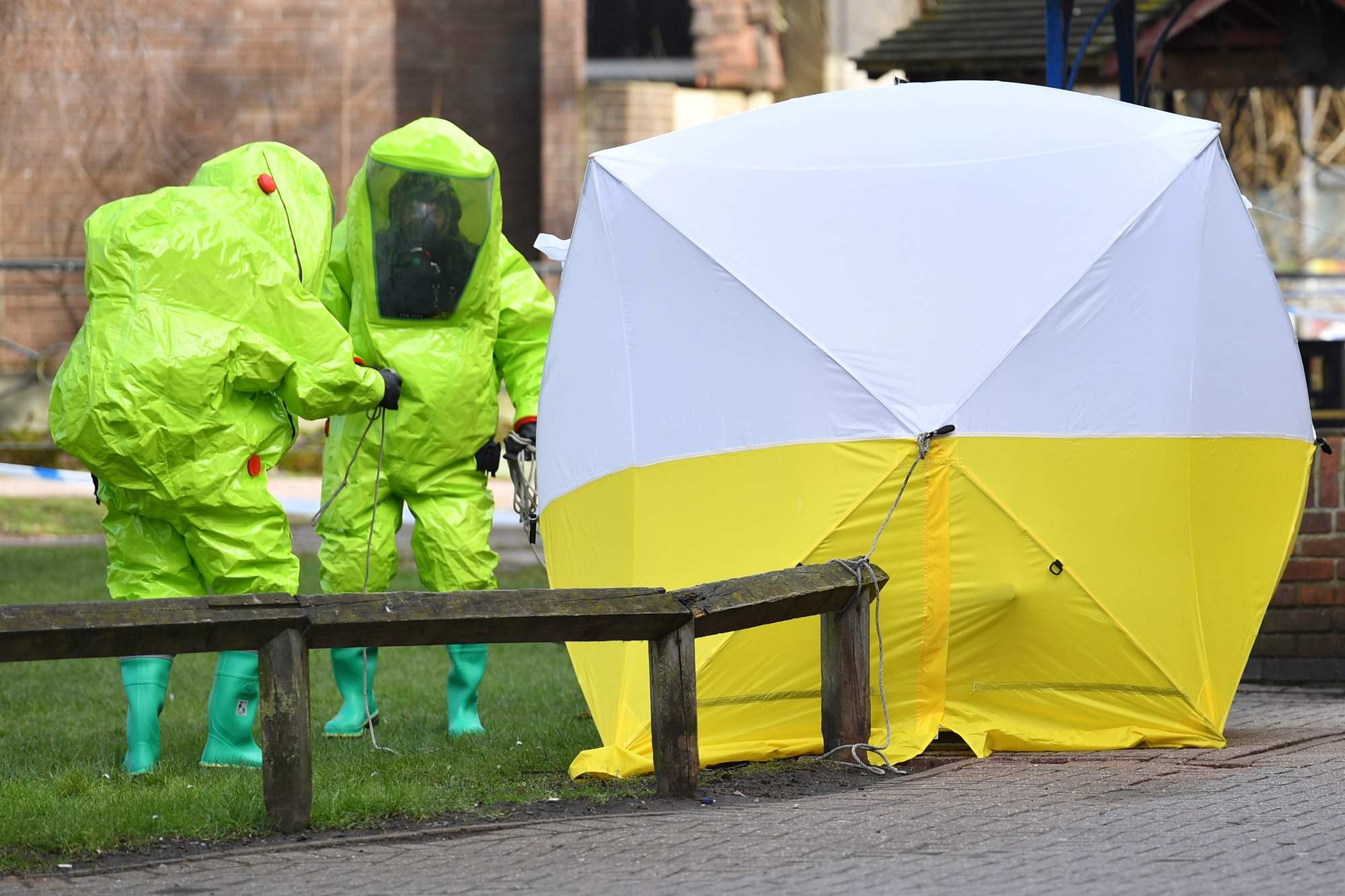
A former Russian double agent who passed secrets to British intelligence, Sergei Skripal and his daughter Yulia were found unconscious on a bench outside a shopping centre in the English cathedral city of Salisbury in March 2018.
They were taken to hospital in critical condition, and British officials said they had been poisoned with Novichok, a group of nerve agents developed by the Soviet military in the1970s and 1980s. Both survived.
Russia has denied any role in the poisoning and said Britain was whipping up anti-Russian hysteria.
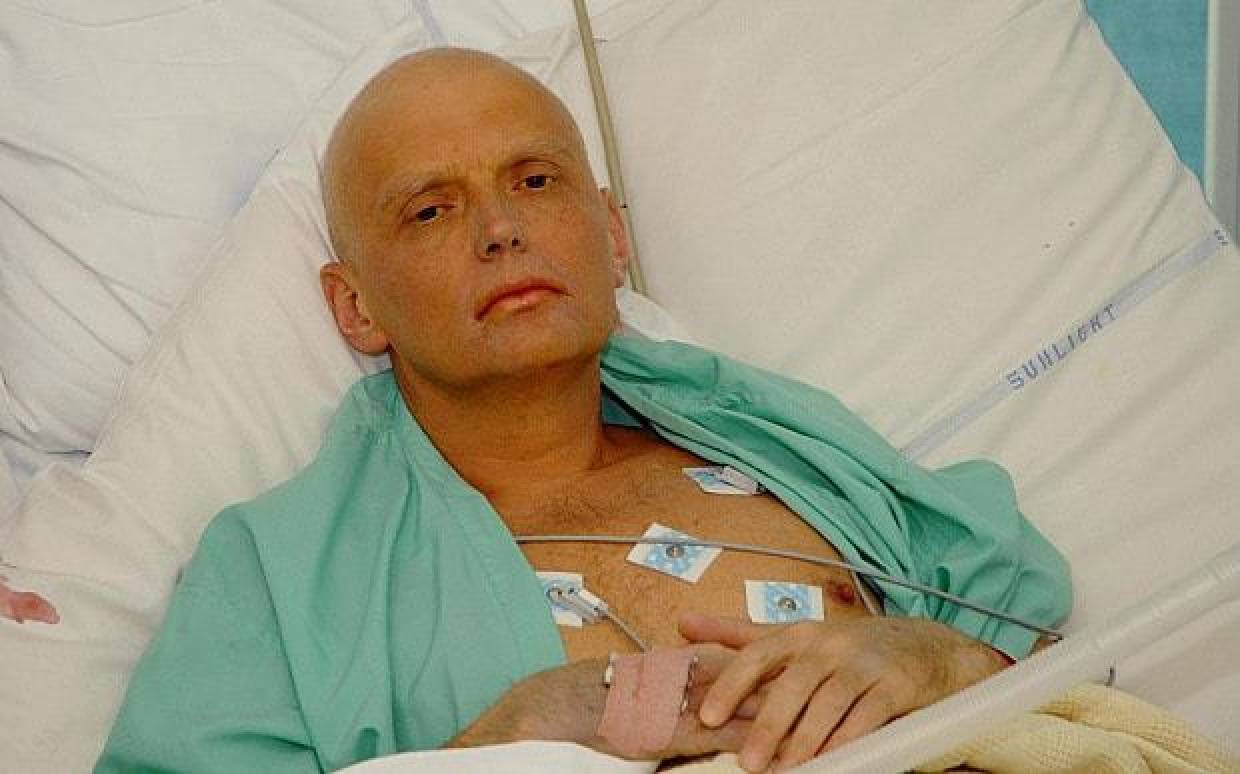
Alexander Litvinenko
Alexander Litvinenko, an ex-KGB agent and outspoken critic of Putin, died in 2006 aged 43 after drinking green tea laced with polonium-210, a rare and potent radioactive isotope, at London’s Millennium Hotel, British officials have said.
Advertisement
Putin probably approved the killing, a British inquiry concluded in 2016. The Kremlin has denied involvement.
An inquiry led by a senior British judge found that former KGB bodyguard Andrei Lugovoy and another Russian, Dmitry Kovtun, carried out the killing as part of an operation that he said was probably directed by Russia’s Federal Security Service (FSB), the main heir to the Soviet-era KGB.
Advertisement
Litvinenko fled Russia for Britain six years to the day before he was poisoned.
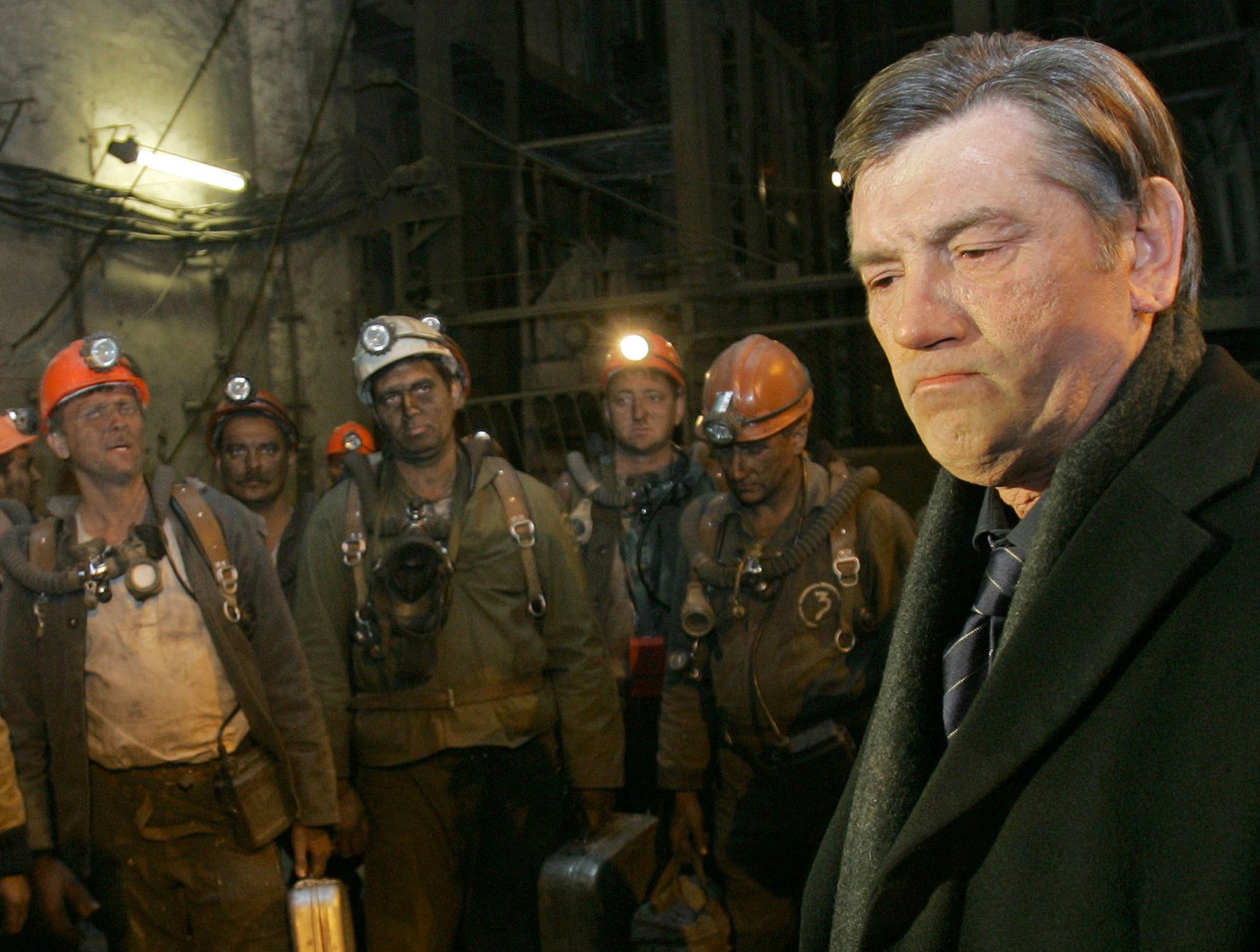
Viktor Yushchenko
Viktor Yushchenko, then a Ukrainian opposition leader, was poisoned during the campaign for the 2004 presidential election in which he ran on a pro-Western ticket against the pro-Moscow Prime Minister Viktor Yanukovich.
Advertisement
He said he was poisoned while having dinner outside Kyiv with officials from the Ukrainian security services. Russia denied any involvement.
His body was found to contain 1,000 times more dioxin than is normally present. His face and body were disfigured by the poisoning, and he had dozens of operations in the aftermath.
He won the presidency in a re-run poll after Ukraine’s Supreme Court struck down results declaring Yanukovich the winner amid street protests dubbed the “Orange Revolution”.
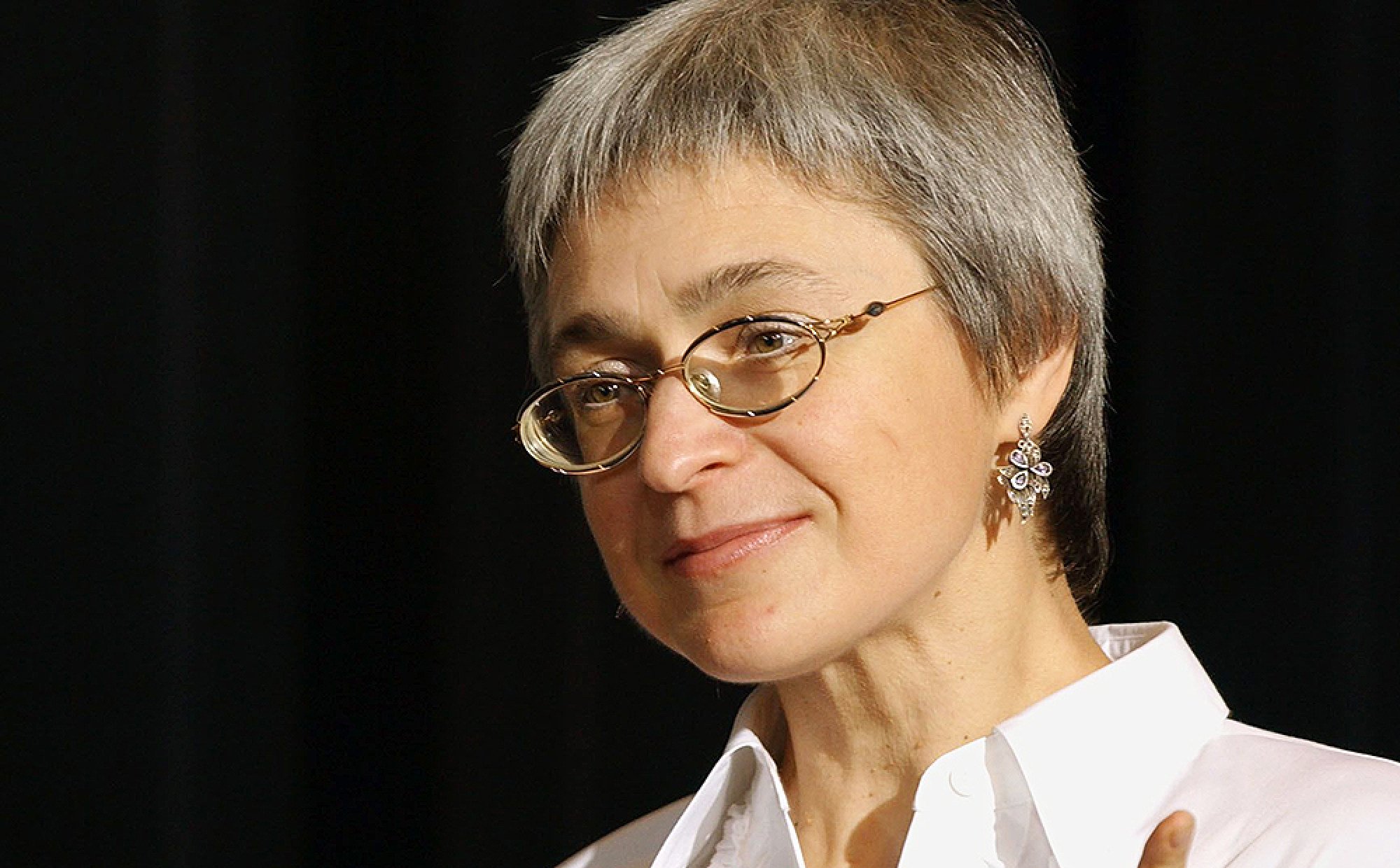
Anna Politkovskaya
Anna Politkovskaya, a journalist who reported on human rights abuses, was shot dead outside her flat in Moscow on October 7,2006, after returning home from the supermarket.
Advertisement
The murder of Politkovskaya, a 48-year-old mother of two, provoked an outcry in the West and underlined concerns about the dangers to reporters working in Russia.
Alexander Perepilichny
The 44-year-old Russian was found dead near his luxury home on an exclusive gated estate outside London after he had been out jogging in November 2012.
Alexander Perepilichny sought refuge in Britain in 2009 after helping a Swiss investigation into a Russian money-laundering scheme. His sudden death raised suggestions he might have been murdered.
British police ruled out foul play despite suspicions he might have been murdered with a rare poison. A pre-inquest hearing heard that traces of a rare and deadly poison from the gelsemium plant was found in his stomach.
Perepilichny had enjoyed a large bowl of soup containing sorrel, a popular Russian dish. Russia denied involvement.
Advertisement