


The Myanmar junta’s attempts to place its top man in the country’s highest civilian position have been described by analysts as a “constitutional repackaging of continued military rule”.
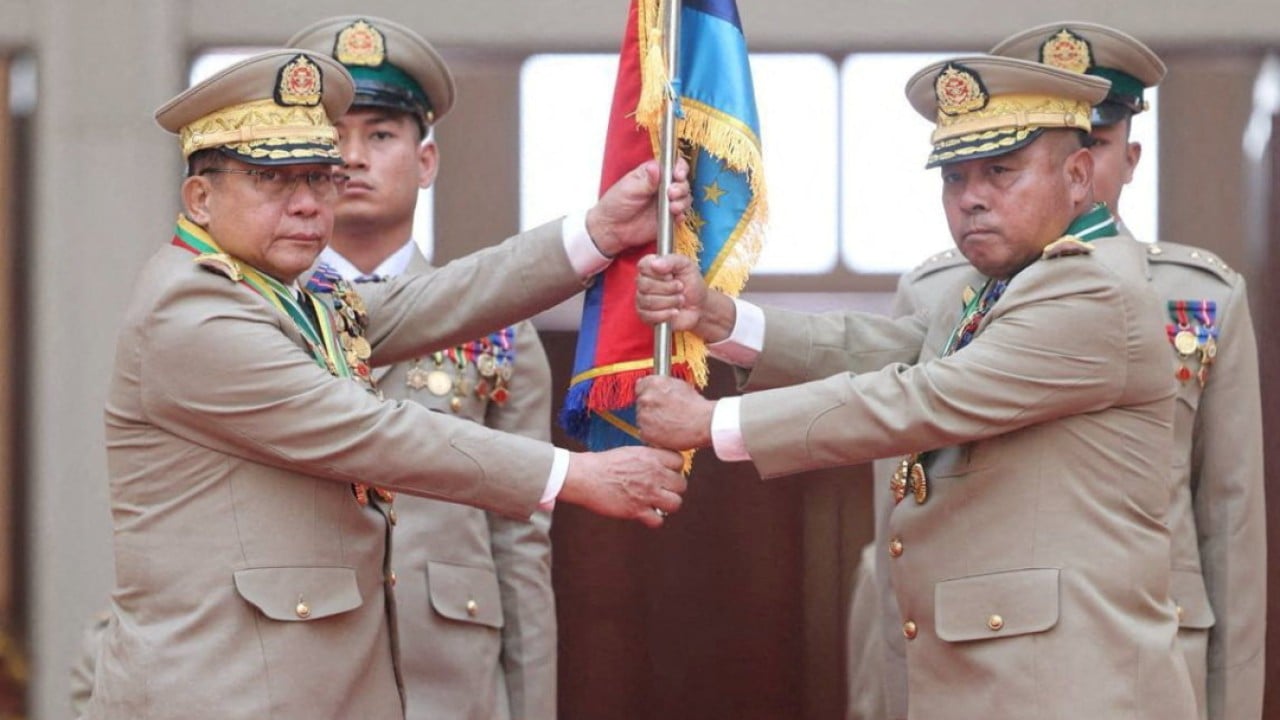
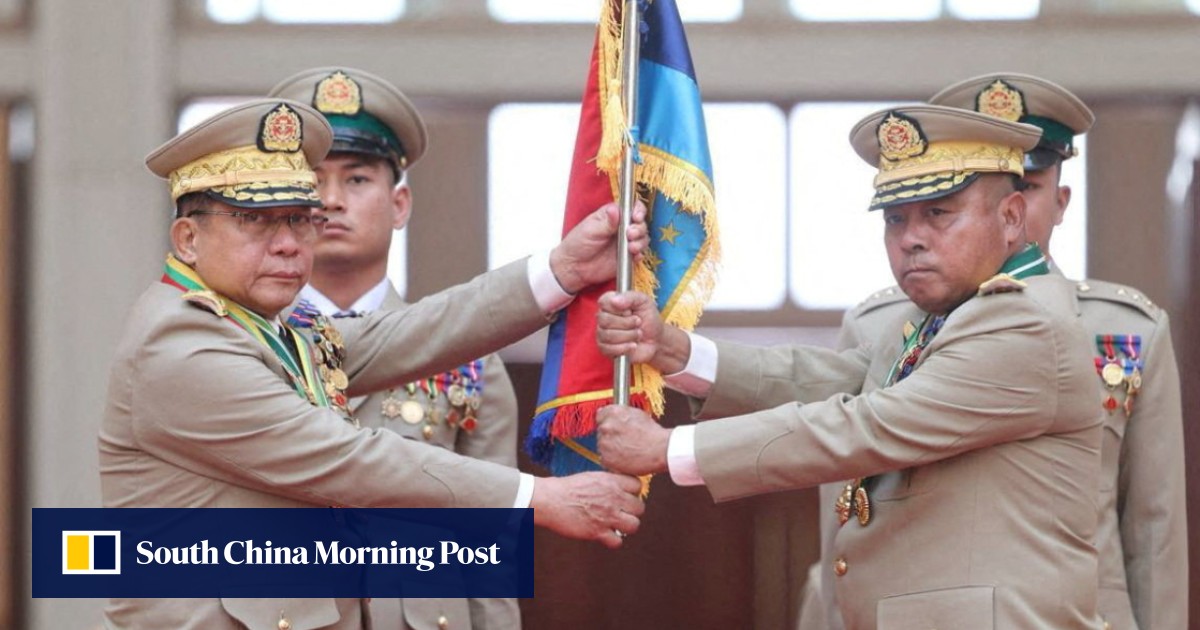
On Monday, Min Aung Hlaing, who leads the military junta after seizing power in a 2021 coup, resigned from the armed forces, moving a step closer to becoming president. He stepped down after Myanmar’s parliament cleared the way for his nomination.
He handed over the role of commander-in-chief of the armed forces to Ye Win Oo, a staunch loyalist, who was promoted to chief of the army on the same day.
Advertisement
After toppling the elected government of Aung San Suu Kyi and detaining the Nobel Peace Prize laureate, the junta leader dissolved her party, triggering an ongoing civil war.
He also oversaw heavily restricted elections in January that criminalised protests, excluded main opposition parties and led to a walkover win for pro-military parties.
Advertisement
Apart from the military, which occupies a constitutionally mandated 25 per cent of seats, parliament is operated by a coalition of parties loyal to the military. Together with its allies, the military controls nearly 90 per cent of seats across the bicameral body.