



Even though Chinese steelmakers prefer higher-grade Australian coking coal, they would rather wait for prices to fall further, according to analysts at S&P Global Commodity Insights.
Chinese analyst SX Coal said last week in a note that optimism about a big return in Australian imports was low, with Chinese end users and dealers avoiding trading amid high Australian prices.
Advertisement
Chinese buyers were also more cautious about signing long-term deals with Australian miners than they were two years ago because of geopolitical risks, Yang Jie, a coal analyst with information provider YiMei Net, told S&P Global Commodity Insights.
So far, following the lifting of restrictions in January, a total of 38 cargoes carrying 3.1 million tonnes of Australian coal – mostly thermal – had arrived in China in the first quarter of the year, while another 2.8 million tonnes were in transit, data from S&P Global Commodities at Sea showed.
But this paled in comparison to an average run rate of about 7 to 8 million tonnes a month in 2019, before the restrictions started.

02:18
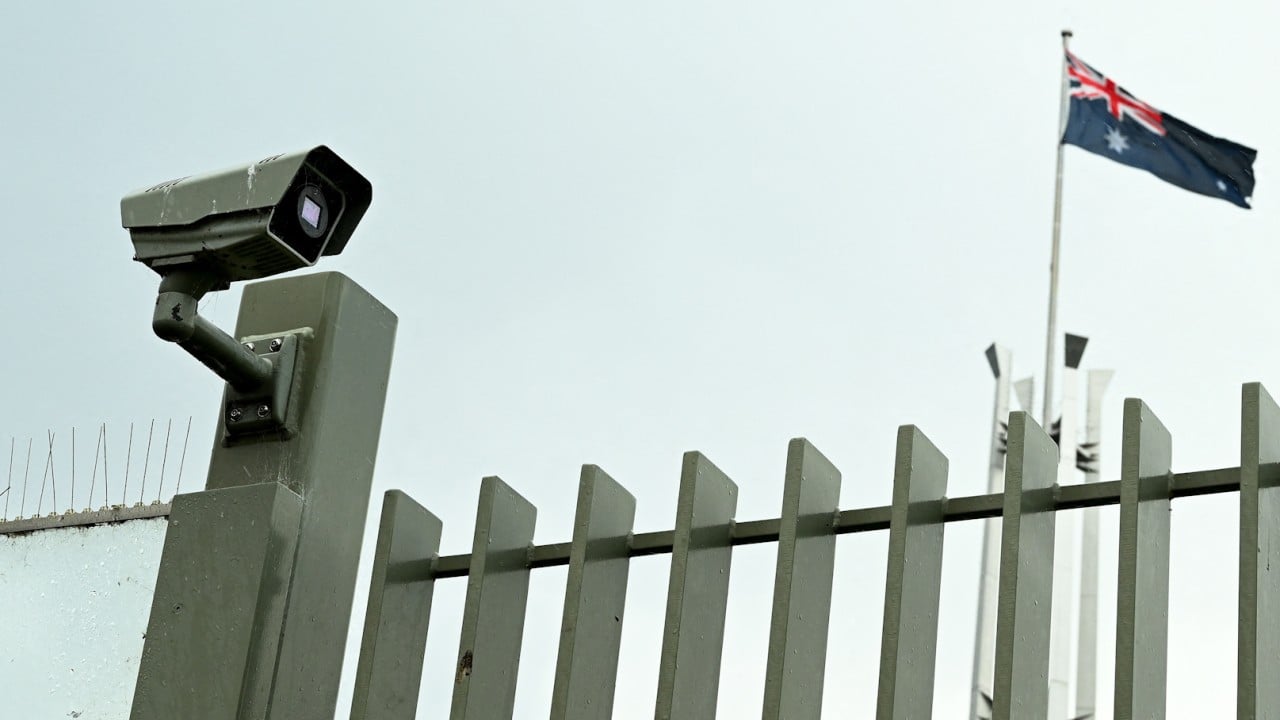
Australian government orders review of Chinese-made surveillance cameras in defence offices
A fresh outlook by the Australian Department of Industry, Science and Resources on Monday also cast a pall on the future of Australian coal exports to China.
The department’s resources and energy report for the March quarter warned that thermal coal sales to China had “entered a period of structural decline” as the country lowered import dependence focusing more on domestic production.
Advertisement
“China will continue to require coal until after 2050. However, the end of coal imports could come much sooner, with domestic supply potentially matching domestic use by the 2030s,” the report said, adding that China was slowly moving away from fossil fuels in an effort to meet its emissions targets.
While Australian coking coal exports to China could increase to fill gaps in local supplies and those from Mongolia, how much China would buy would also depend on the health of its economy, in particular the property sector which remained weak, it added.
Chinese government steel-focused investments could prove another possible boost for Australian exports but the latest Communist Party congress did not reveal any new measures or project additions, the report said.
Advertisement
Nevertheless, with China recovering and its production expected to reach between 4 and 5 per cent this year – when many other importing countries are experiencing slower growth – Australian exports across all resources to China should hold up, the report said.
Australia’s resources and energy exports to China in 2021-22 reached A$140 billion (US$94 billion), nearly three times more than the next biggest importer, Japan.
Australian Prime Minister Anthony Albanese reaffirmed his government’s intention to “cooperate” with China where it could and his desire to go to Beijing should he be invited.
Advertisement
“It is always good to have dialogue. China is our major trading partner,” he said at a press conference on Monday.