


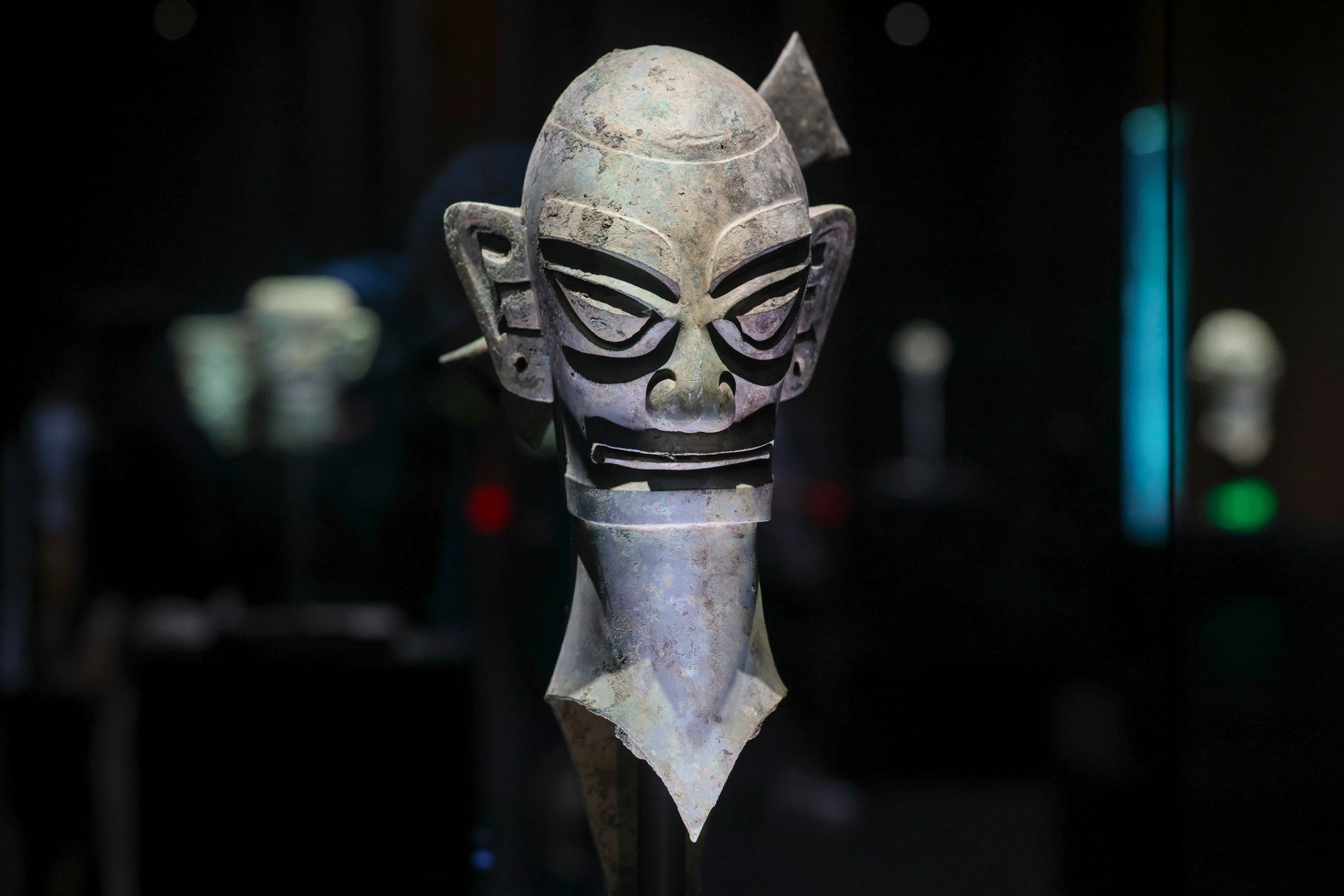

Many of the displays will also be among 120 artefacts to be shown at the Hong Kong Palace Museum in the West Kowloon Cultural arts hub in late September, themed “Gazing at Sanxingdui: new archaeological discoveries in Sichuan”.
Ran Honglin, Sanxingdui Museum deputy chief, said: “Many of those heading to Hong Kong are recently discovered artefacts or have never been shipped out of the country.”
Hong Kong Palace Museum to show newly unearthed treasures from Sanxingdui
Hong Kong Palace Museum to show newly unearthed treasures from Sanxingdui
First discovered in the 1920s but left intact until the 1980s, the Sanxingdui ruins were located in Guanghan city, Sichuan. Mainland archaeologists believe they were remnants of the Shu Kingdom, or Shang dynasty during the Bronze Age – about 3,800 years ago or around 1800 BC.
Advertisement
The Sanxingdui archaeological site, together with the Jinsha ruins and the tombs of boat-shaped coffins in Sichuan are candidates for admission to the list of Unesco’s world heritage sites.
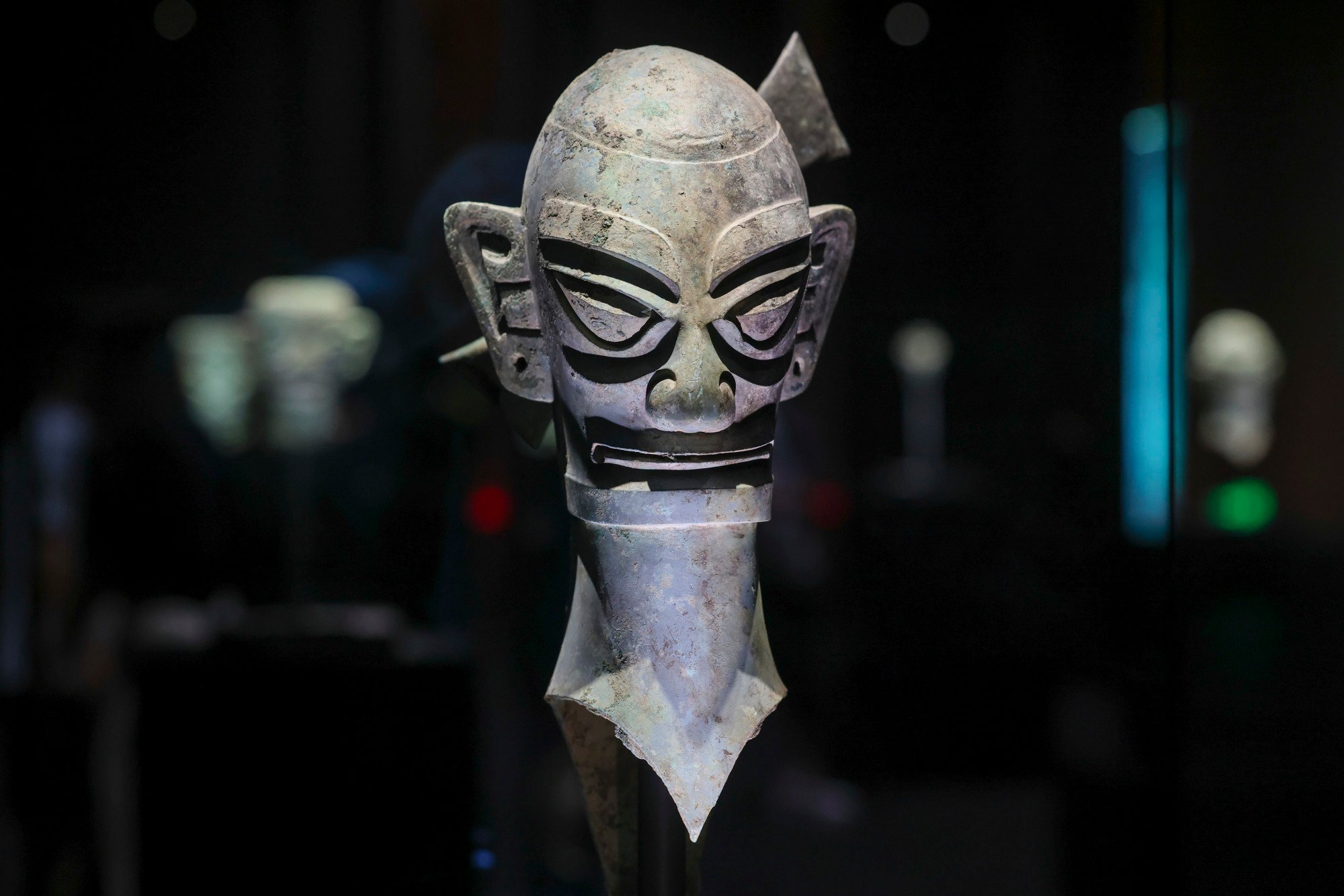
Most of the exhibits bound for Hong Kong are estimated to date back some 3,000 to 3,200 years, with many unearthed from pit No 8 at the Sanxingdui archaeological site.
Zhao Hao, pit supervisor and an associate professor at Peking University’s School of Archaeology and Museology, said there were nearly 17,000 artefacts that had been excavated since 2021 from various pits at the ruins. The excavations were largely completed last December.
“The relics show that there was a prosperous and robust civilisation in Sichuan thousands of years ago. Even though bronze and gold masks were found in other parts of China, they don’t look the same as those found in Sanxingdui,” he said.
“The masks and other artefacts showed sophisticated manufacturing skills of bronze ware, which were widely used for religious activities of the Shu kingdom,” he said.
Advertisement
So far, none of the Sanxingdui relics has been found with signs of language, deepening the mystery behind the civilisation.
The Sanxingdui site spans 12 sq km, and only a fraction of it was excavated. Pits No 7 and 8 are believed to be where temples and sacrificial areas used to be located, with about 6,000 cultural relics excavated, according to Zhao.
‘Unprecedented’: 13,000 artefacts from mysterious Chinese kingdom found
‘Unprecedented’: 13,000 artefacts from mysterious Chinese kingdom found
He cited an example of a bronze sculpture dug up in 2022 from pit No 8, measuring 98cm (39 inches) tall and 39cm wide. The piece featured a human figure standing atop a deified four-legged creature with a rabbit’s ear and large tail.
Advertisement
“When you see it, you will be amazed by the imagination of its makers,” Zhao said.
“So what does the sculpture mean? Could it be the man controlling the creature as his steed? Or could it mean mankind and the whole world were standing atop a big creature?”
Scores of bronze masks were also discovered in pit No 8. Even though they look alike, they are not the same – some have flat heads while others are round. Some depict a blade at the back of their heads and others sport braids.

The styles of the relics remain shrouded in mystery, but some archaeologists interpret different designs to connote various identities or social status of the ancient Shu people.
Advertisement
Equally baffling is the manufacturing process of the biggest mask found at the site so far, at 1.31 metres (4 feet) wide and 71cm tall, and weighing 65.5kg. Archaeologists are puzzled over how its two ears were assembled onto the face.
Hong Kong Palace Museum to raise admission prices by 20 per cent
Hong Kong Palace Museum to raise admission prices by 20 per cent
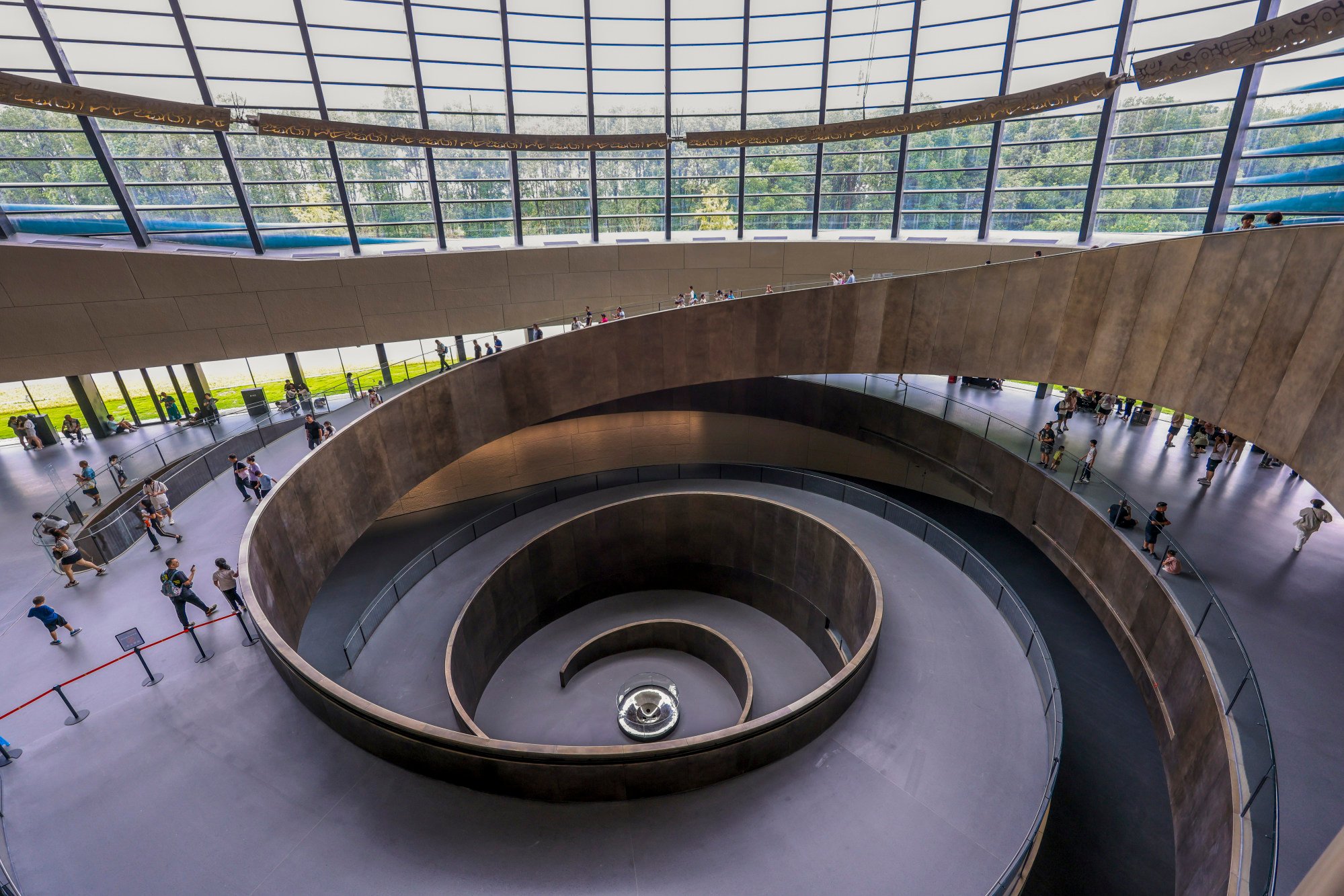
Facial features of the masks, such as bulging eyes or eye-shaped plaques, are thought to be icons of religious activities in that age. In the same vein, the design of the museum features two massive eyes overlooking the historical Yazi River, according to chief architect Liu Yi.
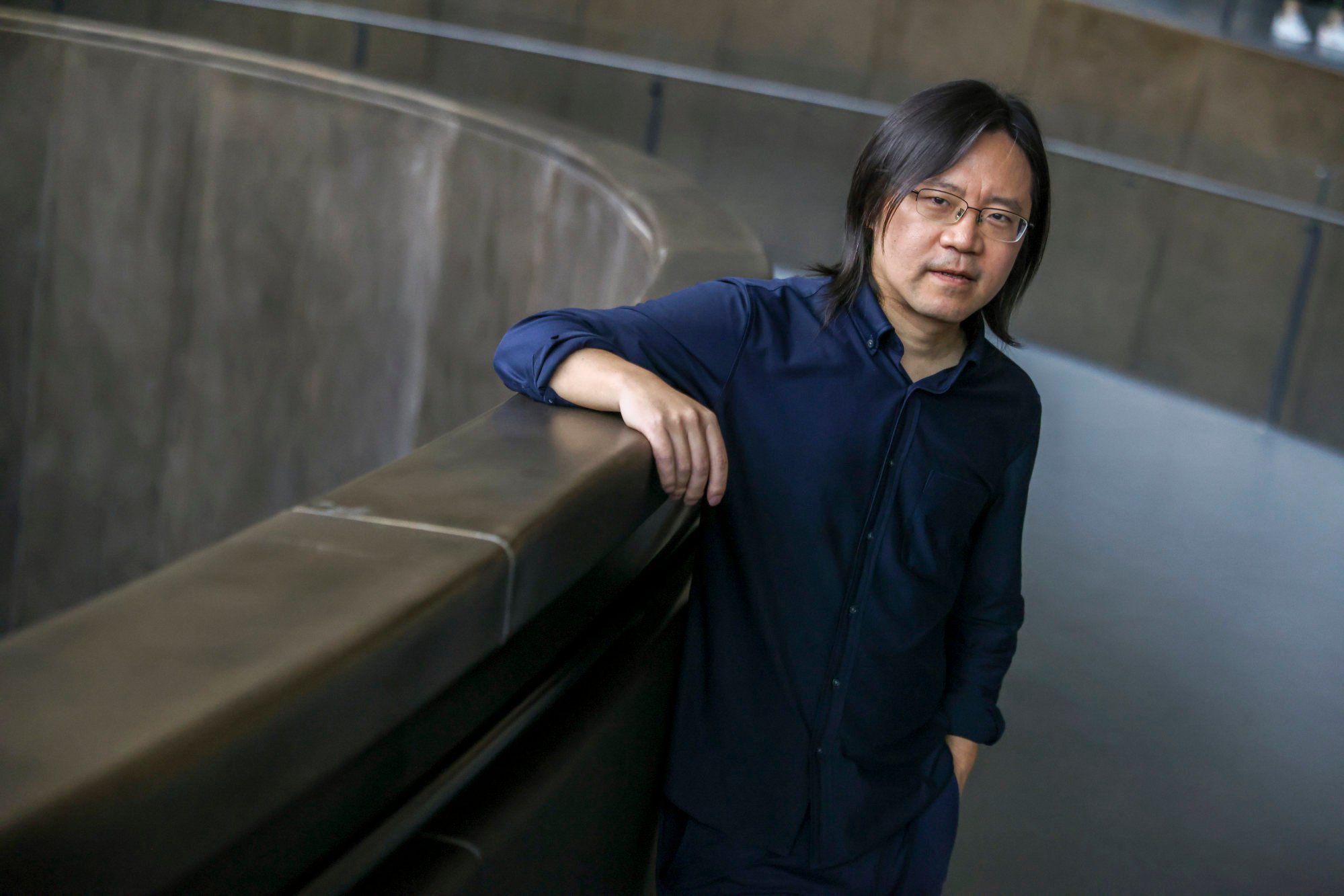
Huge glass windows framed in granite slabs mark the “eyes” Liu referenced, allowing natural light to bathe the interior of the museum. A spiral staircase winding from the ground floor to the basement also looks like an eye when viewed from above.
Advertisement
The new museum and its 600 artefacts on show for the first time drew 15,000 visitors a day, reaching maximum capacity, Liu said.
The exhibits account for 40 per cent of a total of 1,500 artefacts at the 12,000-square metre (129,000 sq ft) exhibition space, built next to a smaller and older facility.
The process from design to completion only took 16 months, with the museum’s opening timed to Chinese President Xi Jinping’s visit to Chengdu in July for the 31st World University Games. The state leader visited the attraction and the archaeological site as part of his itinerary.
Liu said the deployment of new technologies played a crucial role in meeting the tight deadline.
Record 23,000 flock to M+ museum during Hong Kong handover celebrations
Record 23,000 flock to M+ museum during Hong Kong handover celebrations
For example, 3D imaging technology was adopted to place granite slabs in different lengths and shapes into the construction site to form the facade of the museum, which he said saved time and avoided unnecessary mistakes.
“It was like putting different jigsaw pieces into a huge puzzle, which was done by computer first and then by cranes at the construction site,” Liu said. Drones were flown overhead for spatial planning.
Technologies were also used to excavate artefacts.
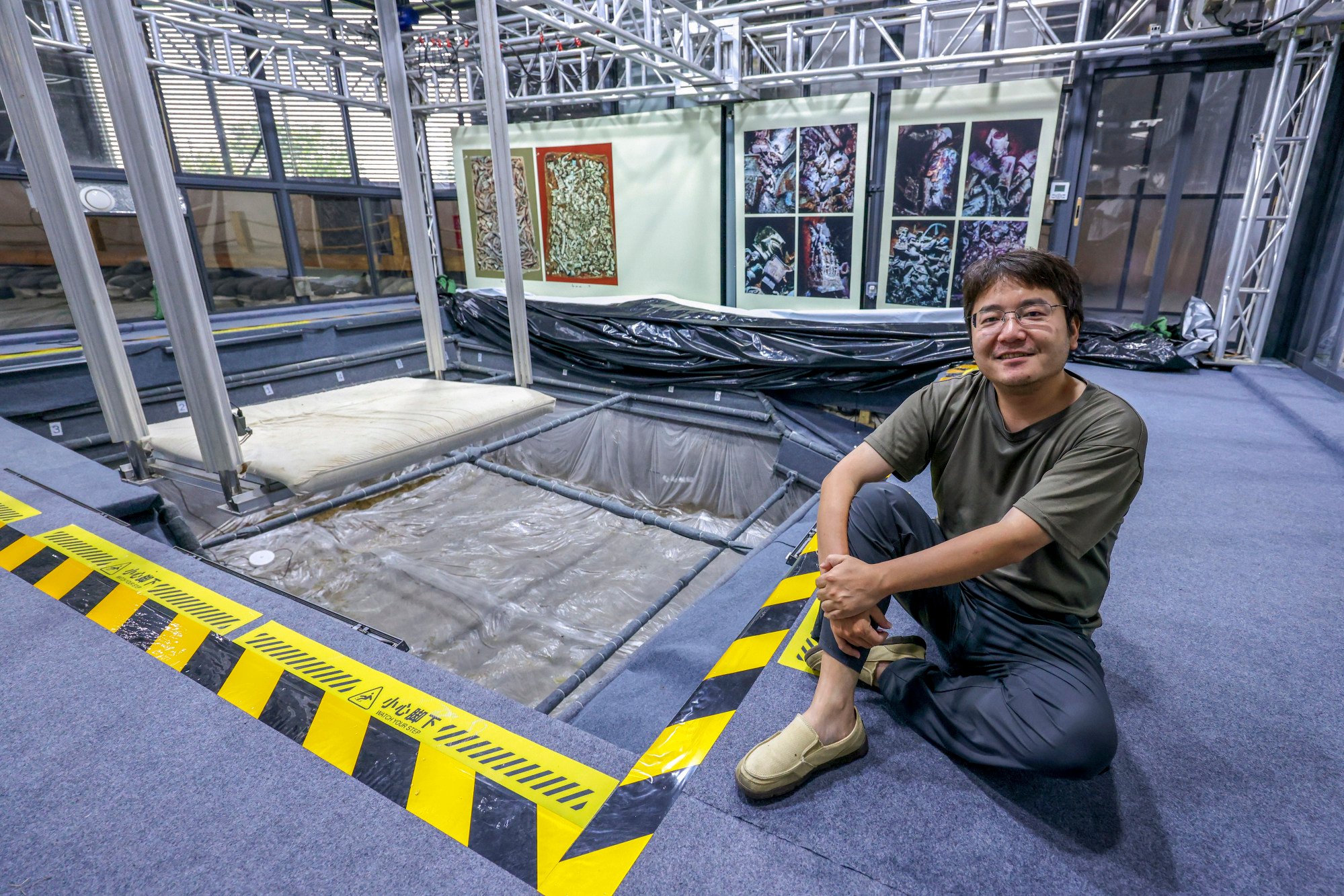
Li Haichao, a professor with the school of history and culture at Sichuan University, who is in charge of excavation at pit No 7 of the Sanxingdui archaeological site, said modern equipment was deployed to analyse soil and the environment.
Through modern metal detectors, pit No 8 gave off the strongest reaction to magnetic fields, leading to the uncovering of a large amount of bronze ware.
Li said for the first time in excavation at China’s archaeological sites, air-conditioned cubicles were built to cover the pits and better protect artefacts.
The pits are closed to the public.
Advertisement