


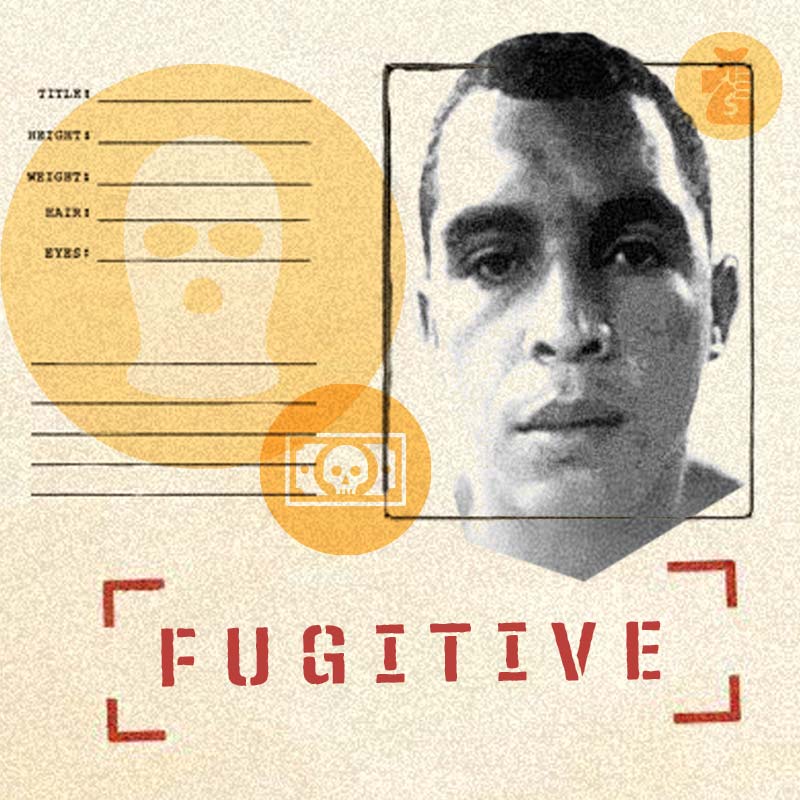
Héctor Rusthenford Guerrero Flores alias ‘Niño Guerrero’
| Name | Héctor Rusthenford Guerrero Flores |
| Alias | Niño Guerrero |
| Country | Venezuela |
| Criminal Group | Tren de Aragua |
| Location | Unknown |
| Status | Fugitive |
Hector Rusthenford Guerrero Flores, alias “Niño” Guerrero,” got his start in the underworld in the Venezuelan state of Aragua in the early 2000s. After several years spent drug trafficking and dealing stolen goods — and several run-ins with the authorities — Niño Guerrero was finally captured in 2010, with three murder charges in his name.
He was sent to the state prison, Tocorón, where he spent two years before escaping. After a year on the run, he was recaptured and sent back to Tocorón, which would soon become his kingdom.
Niño Guerrero took charge of the Tren de Aragua prison gang by recruiting inmates and turning Tocorón into a criminal headquarters and fortified city. The prison had some luxurious features — including a swimming pool, baseball field, disco, restaurants, and a zoo — the profits of which went to Tren de Aragua. Niño Guerrero lived in a two-story house inside the prison. Relatives and partners of inmates also lived in Tocorón, and wanted criminals on the lam were known to hide from the authorities there. Niño Guerrero and his lieutenants were able to come and go from Tocorón as they pleased.
Under his guidance, Tren de Aragua ran a number of criminal schemes from behind bars. Then the group began expanding beyond the prison walls. Members released from prison were sent out to form new cells and coopt smaller criminal groups.
The gang spread throughout Venezuela and beyond — following the flows of Venezuelan migrants fleeing their home country’s economic crisis to Colombia, Chile, and Peru. While the new cells had a certain level of autonomy, ultimately they all answered to — and paid dues to — Niño Guerrero and the leadership in Tocorón.
But this expansion came at a cost. As the group expanded and its reputation grew, so did the attention that it garnered from authorities around the region. In the space of a decade, Tren de Aragua came to be considered one of the most rapidly growing security threats in South America.
Faced with increasing pressure to take action against the group and seeking to bolster popularity ahead of his reelection, Maduro launched an offensive against Tren de Aragua in Tocorón. On September 20, 2023, thousands of police officers and soldiers entered the prison, destroyed the prison’s amenities, and moved inmates to other peniteniaries.
But Niño Guerrero was nowhere to be found.
To this day, he remains on the run, with only rumors as to his whereabouts. His iron hold on Tren de Aragua has lapsed as the group has decentralized.
Tren de Aragua began as a prison gang in the Venezuelan state of Aragua.
In 2007, the Venezuelan government made an agreement with a number of incarcerated criminal leaders, ceding significant control of some prisons in exchange for reducing the violence between inmates. Under Niño Guerrero’s leadership, Tren de Aragua used its control over the Tocorón prison to build a criminal empire.
The group managed many criminal schemes, including extortion, kidnapping, drug trafficking, contract killings, car theft, migrant smuggling, and human trafficking.
As the group’s cells expanded into other countries, it targeted communities of Venezuelan migrants, creating some of the most far-reaching and sophisticated migrant smuggling and sex-trafficking networks seen in the region. It also became known for acts of brutal violence.
After Tren de Aragua lost its headquarters in Tocorón in 2023, its already semi-autonomous factions grew more independent. With its top leaders on the run, cells began acting more autonomously — many still using the Tren de Aragua name — and copycats emerged.
Tren de Aragua is now a heavily fractured organization that will struggle to regain control of rogue factions or replicate its original expansion. Despite this, the group has become a bugbear for the US government, which has used the threat of Tren de Aragua and its alleged widespread presence to justify anti-immigration policies.
Read complete Tren de Aragua profile  Read Tren de Ara gua coverage
Tren de Aragua

Dig deeper:
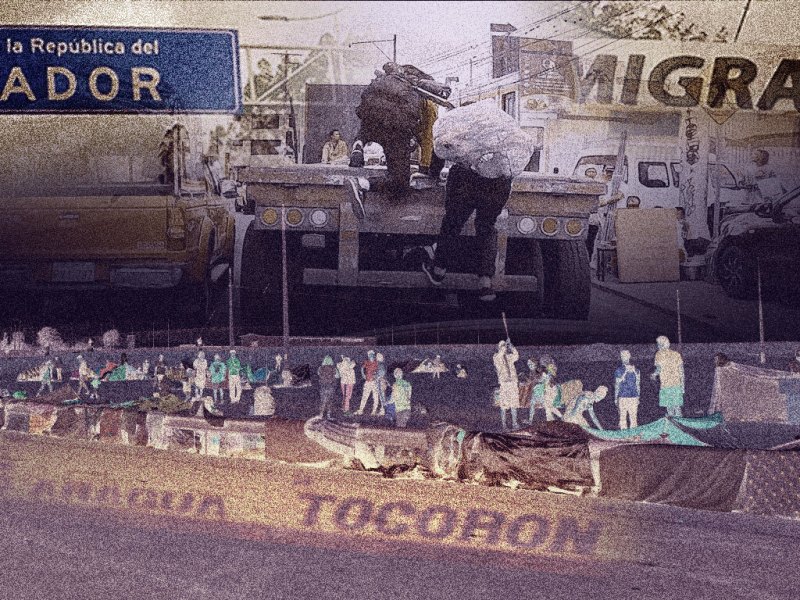
Ten years ago, Tren de Aragua was a little more than a prison gang, confined to the walls of the Tocorón penitentiary and largely unheard of outside its home state of Aragua in Venezuela. Today, it is one of the fastest-growing security threats in South America. Tren de Aragua’s transnational network now stretches into Colombia, Peru, Chile, and beyond.…

Hybrid Governance and the Criminal Fiefdoms of Tren de Aragua
Tren de Aragua became Venezuela’s most feared homegrown gang by first thoroughly controlling the prison of Tocorón and then, the neighborhood of San Vicente.

The Women Ensnared in Tren de Aragua’s Criminal Web in Peru
The expansion of the Tren de Aragua through South America left women in Peru at the mercy of the criminal group, which extorts, exploits, and murders them. Since 2019, sex workers have been living in fear, and Isabel, a Venezuelan migrant, survived human trafficking for sexual exploitation.
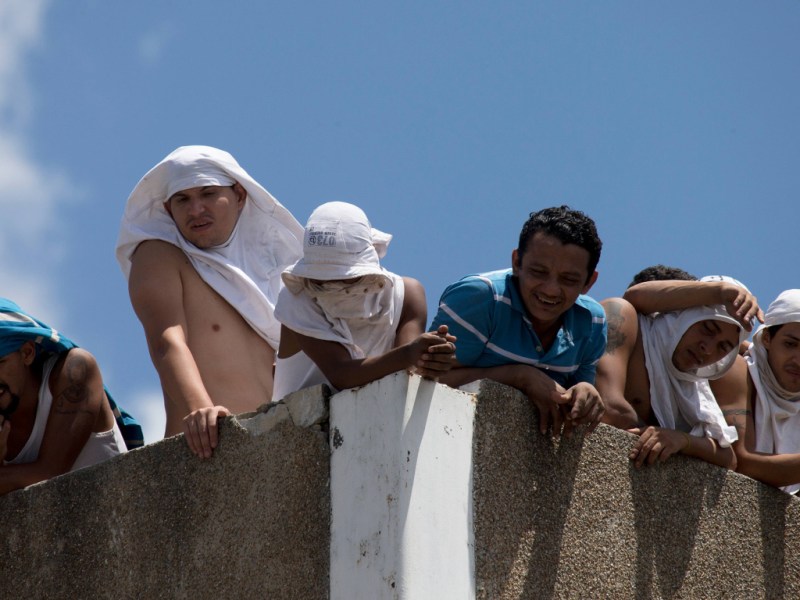
Is the ‘Pran’ System in Venezuela’s Prisons Finished?
The system that delegated power in Venezuela’s prisons to pranes, or criminal leaders, seems to be ending after a series of military takeovers of jails by President Nicolás Maduro, as he eyes re-election in 2024.
On the morning of November 10, security forces stormed the San Felipe Judicial Prison, known as La Cuarta, in Yaracuy state, releasing yet another…
Annual Special
*Summer InSights 2025
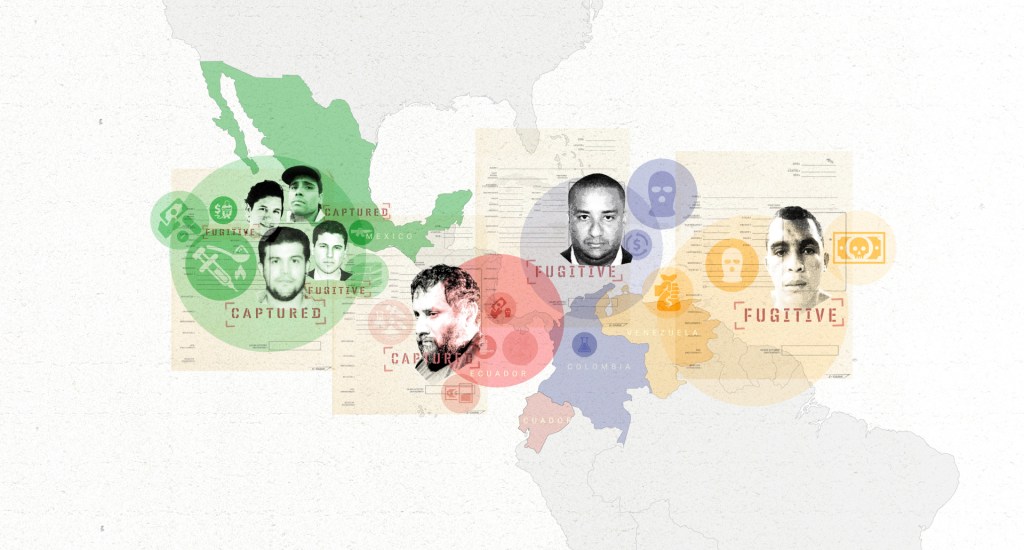
This year, we are featuring several of the region’s biggest crime lords from four countries: Ecuador, Venezuela, Colombia, and Mexico. In each, we examine a different kingpin’s rise to power, explore their influence on the national and regional crime scene, explain the ins and outs of criminal power struggles, and detail their dramatic arrests and escapes.