


Since US President Richard Nixon declared drugs public enemy number one in the 1970s and created the Drug Enforcement Administration (DEA), regional cooperation with the United States on anti-narcotics has become a central focus of US policy in Latin America.
The drug war has defined key dynamics between the United States and countries in the region, including funding, military aid, and diplomatic relations. The form and scope of this cooperation have varied with changing administrations in the United States and countries in the region.
Currently, in Colombia and Mexico, the pressure exerted by Washington has strained rather than strengthened bilateral relations, leading to a weakening of the fight against drug trafficking. In other countries, such as El Salvador and Ecuador, Washington has opted to reinforce cooperation and political support with governments that are aligned with its anti-drug strategy.
In this interactive map, InSight Crime highlights the current role of each country in drug trafficking and the status of their anti-narcotics cooperation with the United States. Click on each country for further details.
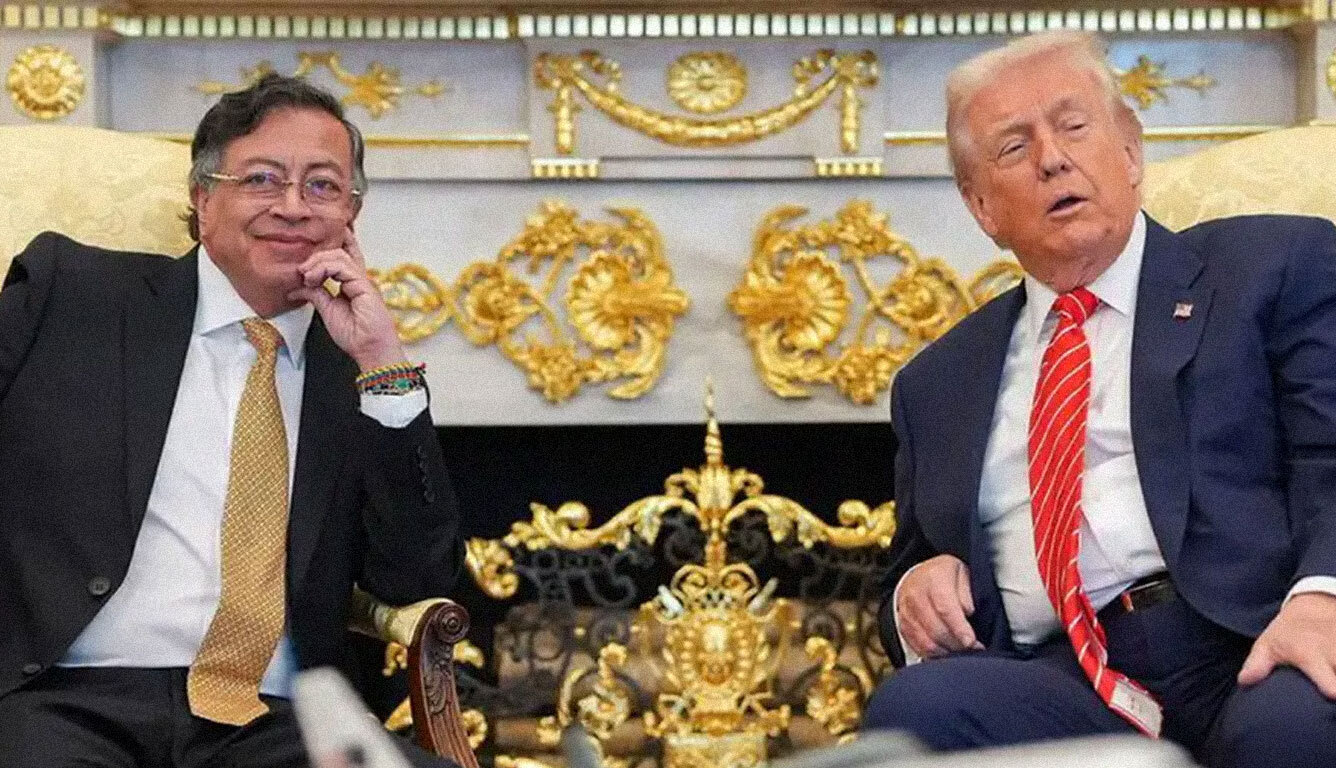
Featured Image: Presidents Trump and Petro meeting in February to discuss the future of the anti-drug relationship between the United States and Colombia. Credit: Colombia Presidency/Handout/REUTERS