


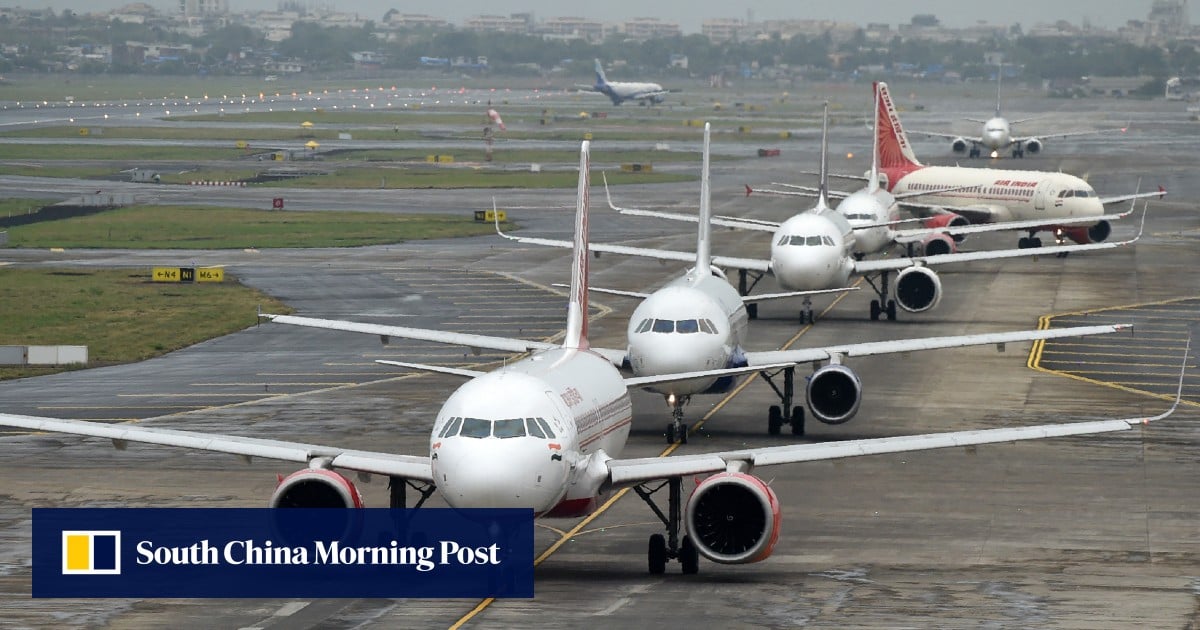
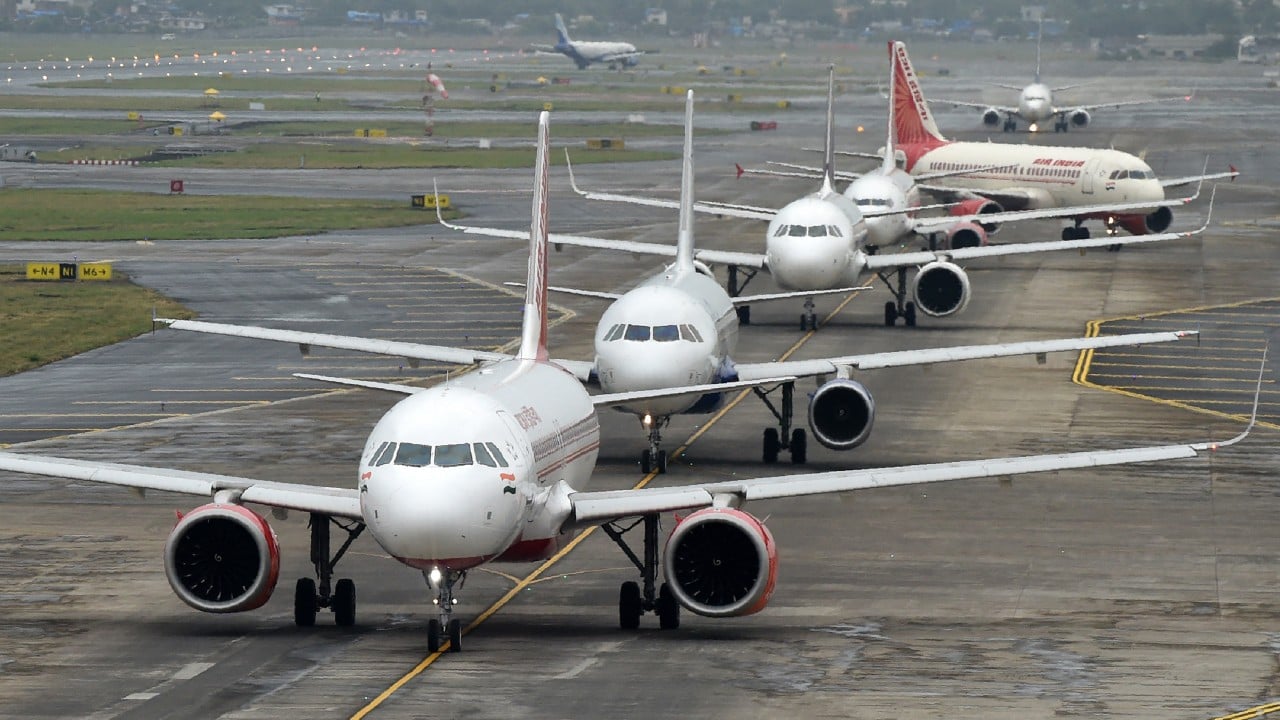
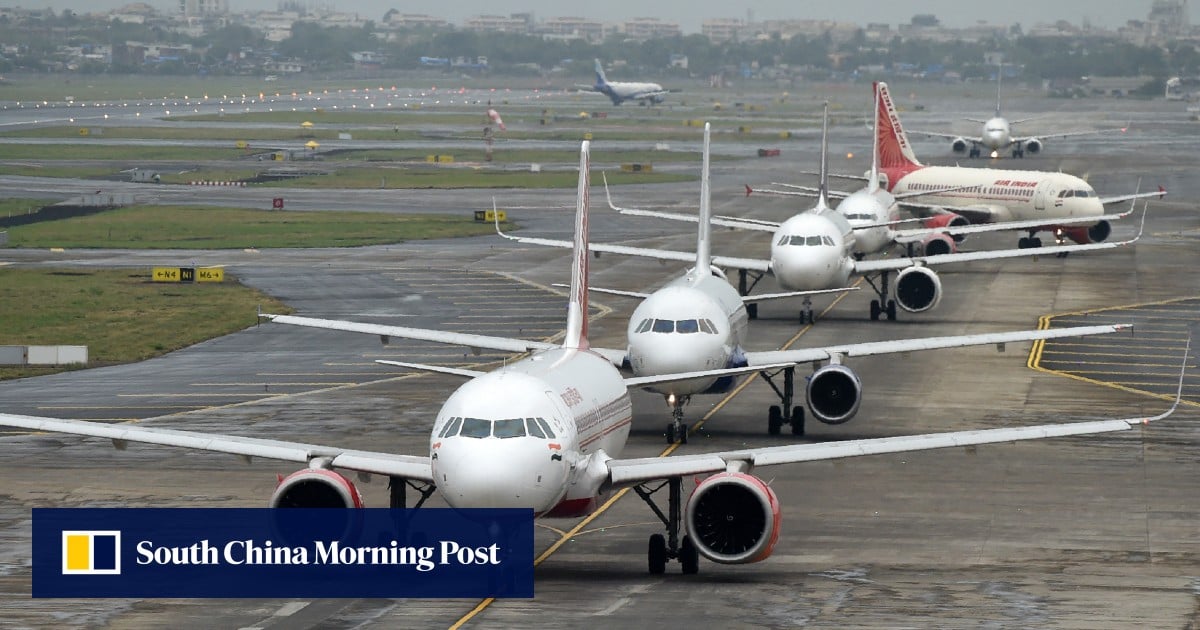
The shock has hit Asia especially hard because many economies depend heavily on fuel flows from the Middle East, according to aviation analysts, and some regional carriers are less protected from sudden price spikes than their counterparts in Europe or the US.
“The impact has been severe and rapid,” said Mayur Patel, regional commercial and industry affairs leader for Asia-Pacific, Middle East and Africa at OAG, a travel data and aviation analytics firm.
Advertisement
On April 8, the benchmark Singapore jet fuel price traded at US$193.53 a barrel, down from a record high of US$242.06 on March 30 but was more than double the closing price of US$93.45 on February 27, a day before the Iran war began, according to a Reuters report published last week.
“For many carriers, fuel has jumped from roughly 25 per cent of total operating costs to nearly 45 per cent in a matter of weeks. The strain is particularly acute in Asia because many carriers and economies depend heavily on fuel flowing from the Middle East,” Patel said.
Advertisement
China, India, Japan and South Korea collectively consume 75 per cent of Middle East crude, leaving the region heavily exposed when oil supply routes come under pressure.