


This explainer is part of a series produced by InSight Crime and the Venezuelan human rights organization Defiende Venezuela. Explore the full investigation here.
*The testimonies used in this story are real, but the voices are generated by artificial intelligence and names were changed to protect the victims.

The Takeover
On the night of July 29, 2024, a criminal commando unit armed with rifles, shotguns, and grenades launched an assault on a school being used as a voting center in the small town of San Francisco de Macaira, in the central Venezuelan state of Guárico. The group, members of the notorious Tren del Llano gang, disarmed military guards, then rampaged through the center, tearing down government election posters.


Days before, Venezuelan President Nicolás Maduro had declared victory in elections independent observers claimed the opposition had won comfortably, sparking mass protests that were met with a brutal wave of repression. In videos put out by Tren del Llano, the gang said their attack was a response to the fraudulent elections and government crackdown. And that they were prepared to fight the state to protect the people.
The Deployment
The government responded with a massive show of force, deploying over 6,000 military and police officials to Guárico. In the days that followed, the security forces faced off against Tren del Llano, retaking the school and attacking the gang wherever it could be found. There were casualties on both sides, and the authorities reported making arrests and seizing arms, munitions, and vehicles used by the gang.

But this was just the start. Under the banner of Operation Zaraza, authorities set up a military base in Macaira and then began to fan out across Guarico in search of gang members, many of whom had taken refuge in mountainous rural areas.

Officials set up control points along roads, patrolled through communities, and raided houses and businesses. Reports of human rights abuses began to mount, with residents making accusations of arbitrary detentions, extortion, torture, and even extrajudicial executions.
Elena’s nephews were arbitrarily detained then killed**: They showed signs of beatings and torture. They were bruised, dirty, covered in mud, and barefoot. Their ears and necks were covered in bruises…

The operation hit at least 15 municipalities, eventually reaching Boca de Maria, a tiny hamlet of mud houses and family farms near the town of El Jobito in the municipality of Acevedo in the neighboring state of Miranda.
The Bombardment
Days after the new phase of Operation Zaraza began, white surveillance aircraft began making passes over Boca de María. On August 13, a surveillance plane appeared in the sky at around 7am. But this time, it was followed by three fighter jets.
The jets circled the area, flying lower with each loop. Then the bombs began to fall.
Mauro saw the fighter jets over Boca de María**: They passed so near the house that it lifted the roof up. The noise they made was extremely loud. It was as if they wanted to tear the house apart…
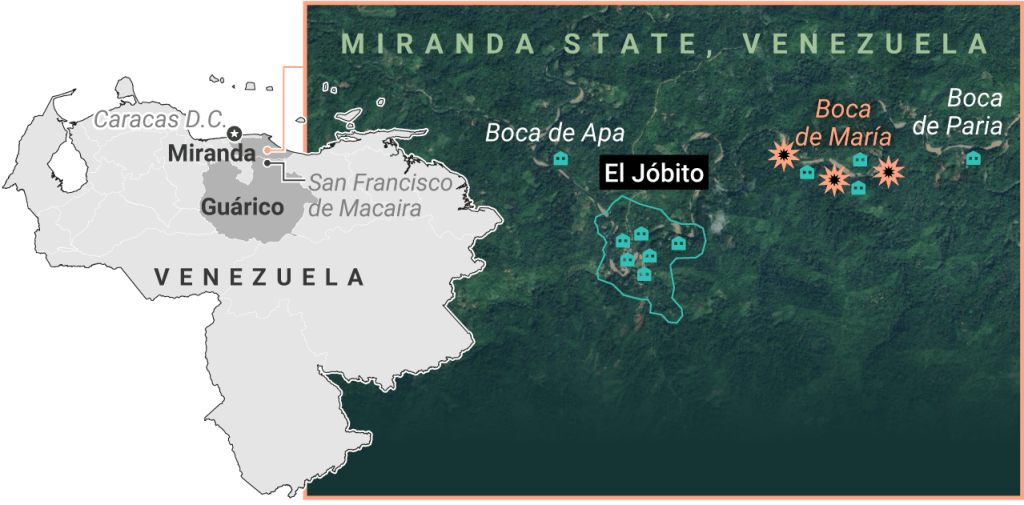

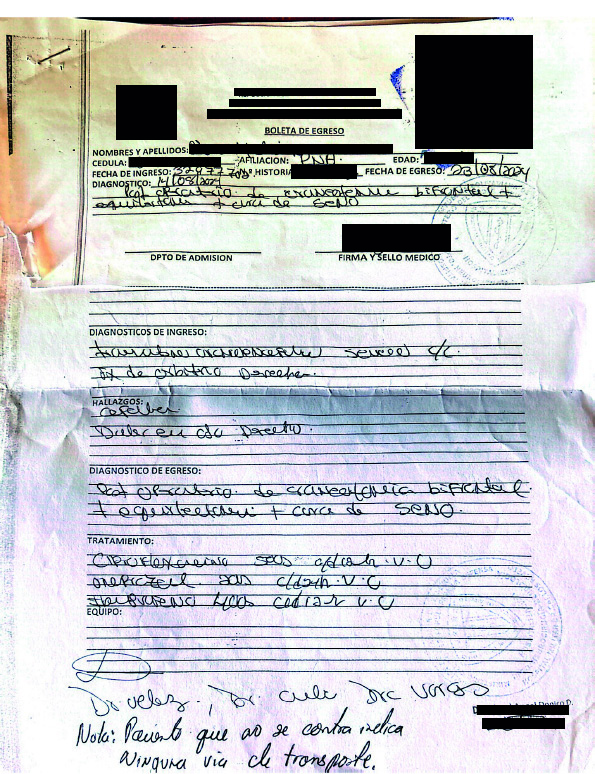
The explosions tore through houses and burned crops to the ground. Medical records show two people were hospitalized, including a teenage girl whose eye socket was fractured by shrapnel, leaving her needing facial trauma surgery.
Mauro took cover as the bombs fell**: They dropped a bomb that landed in the corner where the television was. We threw ourselves to the floor, and it felt as though the roof and walls of the house were collapsing…


In desperation, Mauro pleaded with the fighter jets**: I raised my hands in the air and shouted to the planes that all we wanted was peace, that there were no bad people there, only humble people…

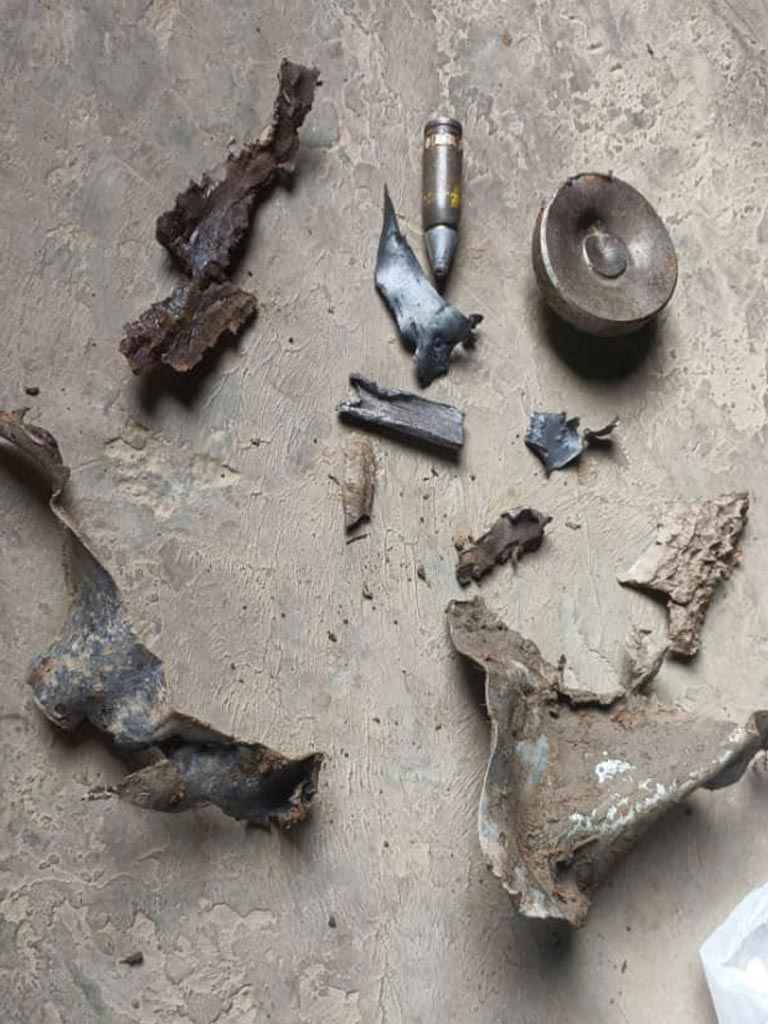
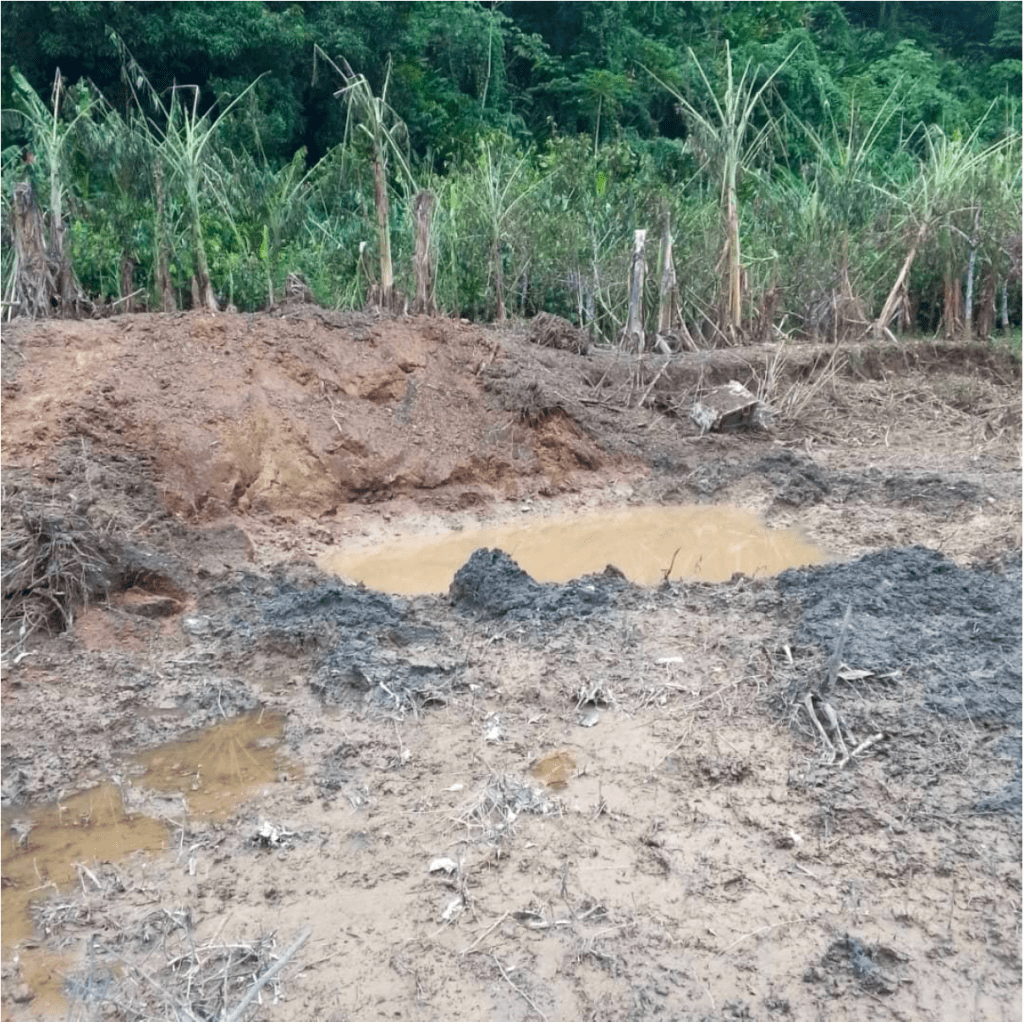
After the bombs stopped falling, residents fled, some to seek medical attention, others out of fear that the jets would return. Many would not return for months, their lives and their livelihoods abandoned as they scrabbled for survival in nearby towns.
The strike left residents like Andrea traumatized**: I had no appetite for several days, I suffered intense headaches from the stress, and whenever I heard an airplane, I couldn’t control my nerves…




After the bombs, the abuses
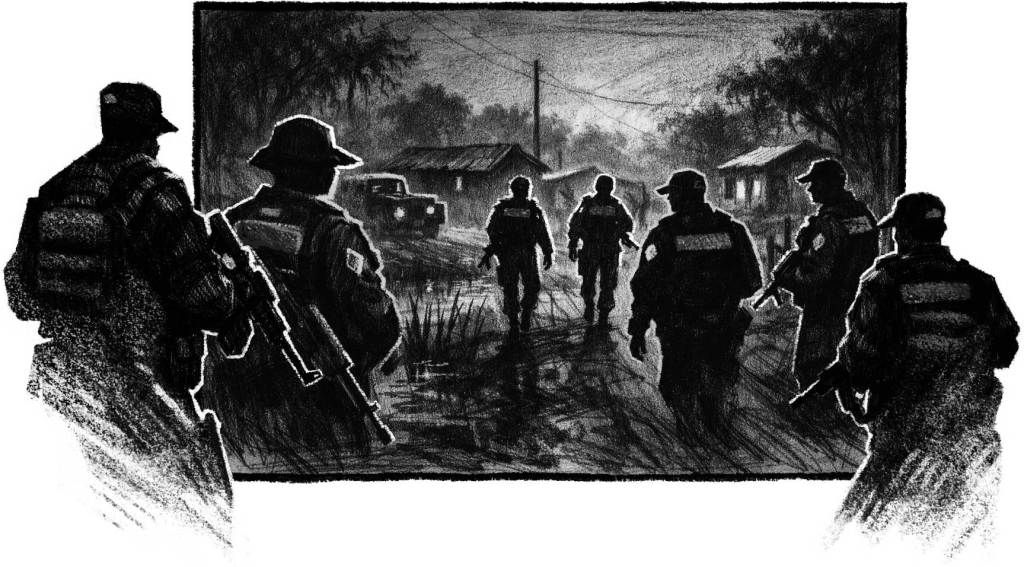
The jets did not return, but the soldiers and police did, as Operation Zaraza continued into 2025. Residents lived in constant fear as security forces terrorized communities in their hunt for anyone with any connection with Tren del Llano. The area around El Jobito continued to be a target.
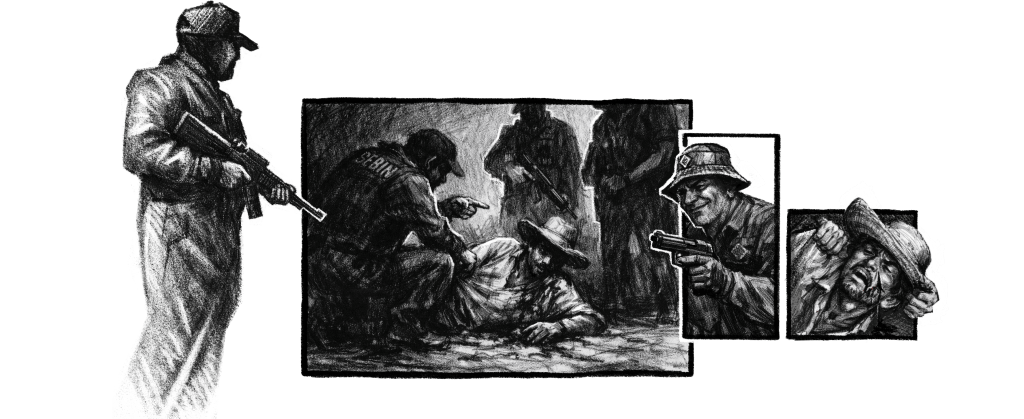
Paul was beaten and interrogated during security operations**: I told them I only worked the land, but they hit me several times, insulted me, and kept insisting that I had information about the gang…
The Venezuelan human rights organization Defiende Venezuela documented a pattern of abuses as units of soldiers, police, and intelligence officials burst into houses without warrants and pulled people off the streets as they went about their day.

Andrea was sexually abused in a security forces raid**: One officer groped me and forced me to kiss him. That same officer told me he was going to take me into the bedroom so we could be ‘alone.’…
Officials threatened Bea and her child during a search**: They grabbed me by the hair and shook me violently, saying they were totally sure that I knew about the people they were looking for. They threatened me, saying: ‘We’re going to kill your child.”…
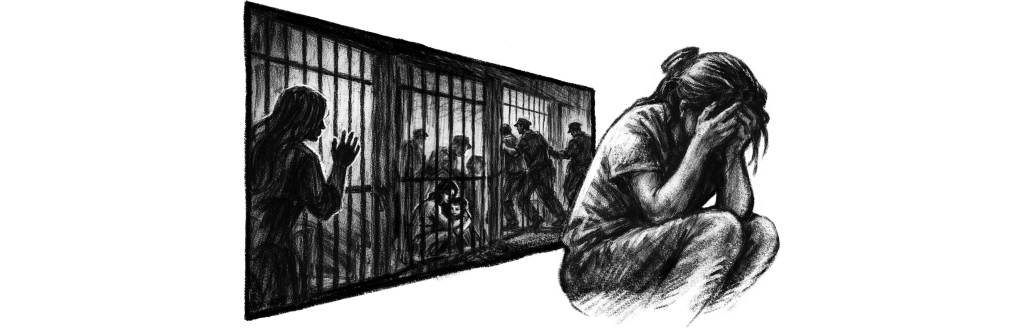
The families of those detained claim their loved ones faced false charges based on planted evidence. Many disappeared into a dark labyrinth of holding cells and jails, while their families told InSight Crime that their efforts to track them down and secure some semblance of justice were derailed by bureaucracy, cruelty, and corruption.
The airstrike and Operation Zaraza tore community life apart, but Tren del Llano lives on. Police officials and relatives of gang members told InSight Crime that while some gangsters fled the country to escape the assault, those remaining divided into small cells of 10-20 people, allowing them to maintain operations with a low profile as they move from hideout to hideout.

Gabriel faced financial ruin after a loved one was detained**: My family was left ruined. We sold our motorcycles, organized raffles, and even sold ginger harvests to be able to pay the lawyers and cover prison expenses…
Gabriel saw people flee their homes after their airstrike**: Many people moved away, and people would pass in front of our house looking for refuge. What is most outrageous is that the military never captured a single criminal. They only detained workers and farmers….
Credits
Illustrations and colorization: Juan José Restrepo
Investigation: Ezequiel Monsalve and Omar Piñango from Defiende Venezuela
Texts: James Bargent
Creative direction and art direction: Elisa Roldán
Layout and effects: Juan José Restrepo and Luis Acosta
Editing: Deborah Bonello, Liza Schmidt, and Creusa Muñoz
Graphic design: Juan José Restrepo and Maria Isabel Gaviria
Social media: Paula Rojas and Daniel Reyes

