



Attention deficit hyperactivity disorder (ADHD) and depression are the most common mental disorders among Hong Kong’s primary and secondary schoolchildren, government-commissioned surveys have shown.
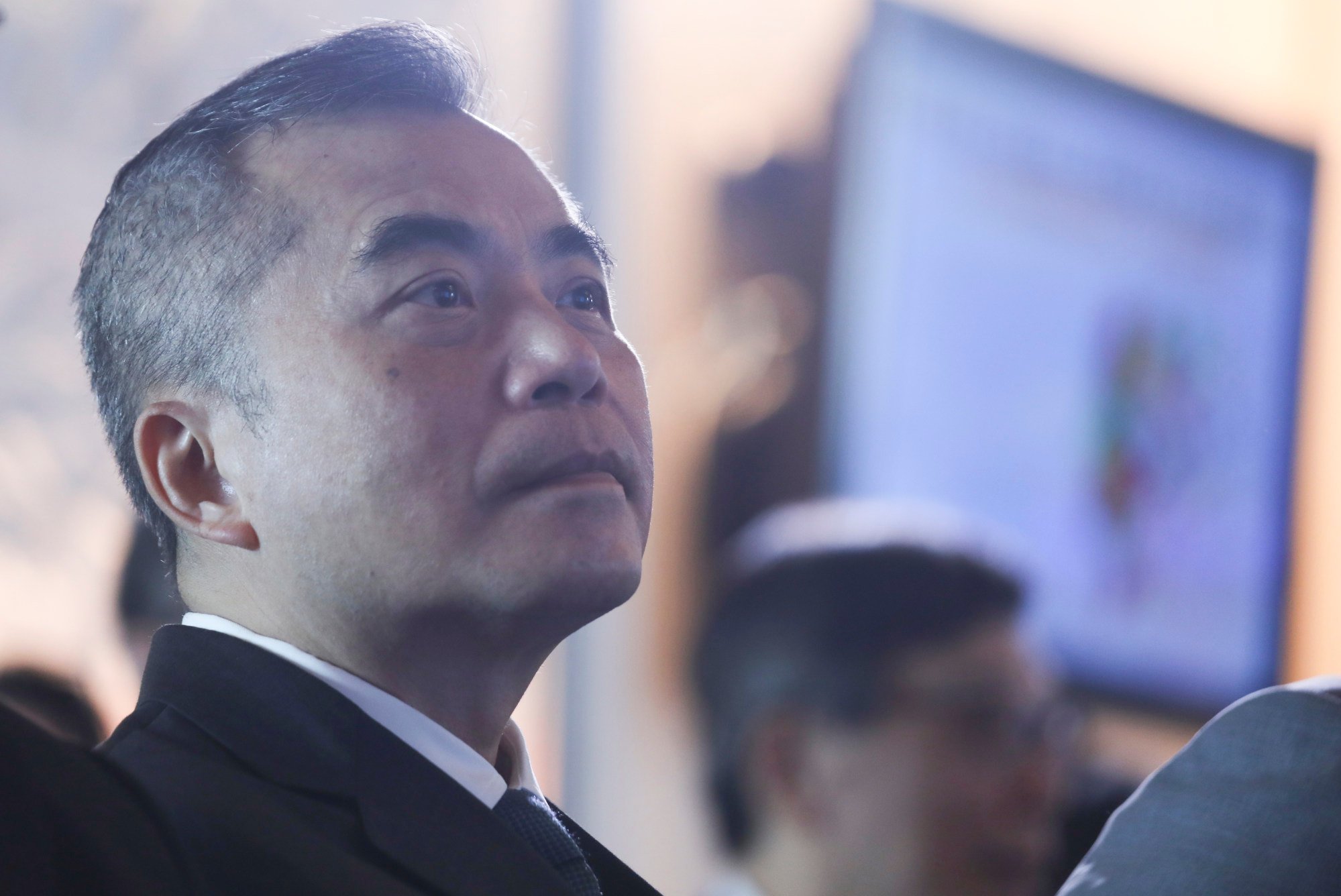
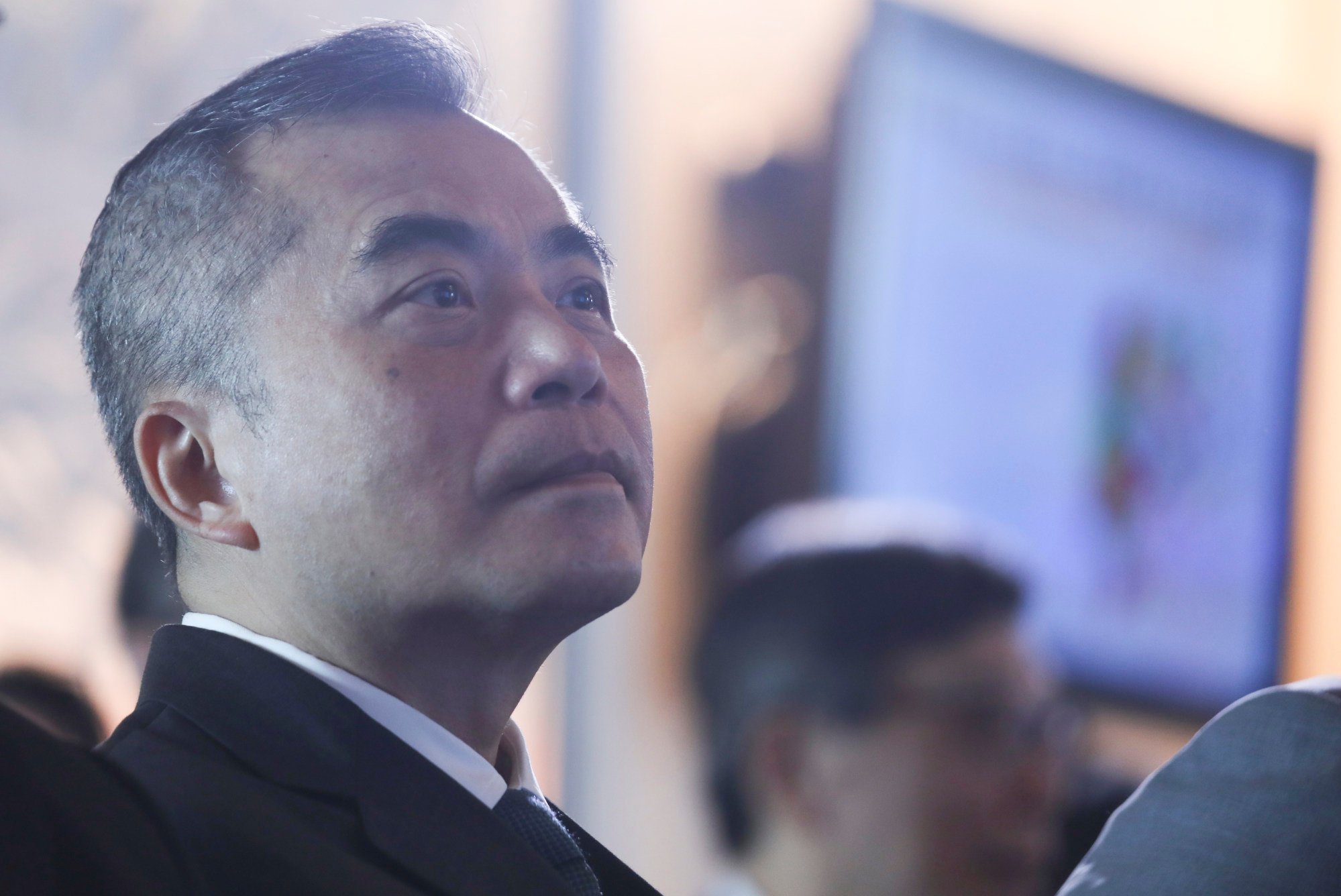
Wong Yan-lung, chairman of the city’s Advisory Committee on Mental Health, said on Friday the findings could indicate whether the government was allocating the resources necessary to target the issues, as he shared some key figures of the surveys that would be revealed soon to the public.
Speaking at an event on mental health issues, Wong revealed that according to a survey commissioned by the government involving 6,000 children and adolescents aged between six and 17, ADHD was the most prevalent among primary school pupils. This represents around 13 per cent of the group.
Depression was not common among the younger children but was the leading mental health problem across secondary school students, with 10 per cent of them suffering from the disorder. It was followed by anxiety at about 7 per cent.
Wong did not reveal the respective numbers of primary and secondary schoolchildren in the survey.
In another government-commissioned survey involving 4,500 people aged 60 or above, Wong said 70 per cent of the elderly living in care homes had severe forms of dementia. The survey details are yet to be announced to the public.
Of the city’s overall elderly population, 22 per cent have displayed early signs of the neurodegenerative disease.
Two local universities were delegated by the government to conduct three citywide mental health surveys among different age groups.
Number of Hong Kong students with mental health woes doubles in 4 years
Number of Hong Kong students with mental health woes doubles in 4 years
Besides the ones concerning the elderly and children, the survey of youngsters aged 15 to 24 was announced in May and also showed depression to be the most common mental disorder.
Wong told the Post the latest findings showed that mental health issues were worth the public’s attention.
“When we are drafting policies and allocating resources, we would need to be more targeting,” said Wong, who will step down from his role at the end of this month.
He said the government should also address manpower issues in psychiatric services, where stable patients usually need to wait for months or even years for their first appointment at public specialist clinics.
“Can the government mobilise different service providers, other than psychiatrists, to deal with the more stable cases and to provide more timely treatment?” Wong said.
“At the same time, that will leave room for younger people who definitely need a psychiatrist’s treatment … in a shorter time frame.”
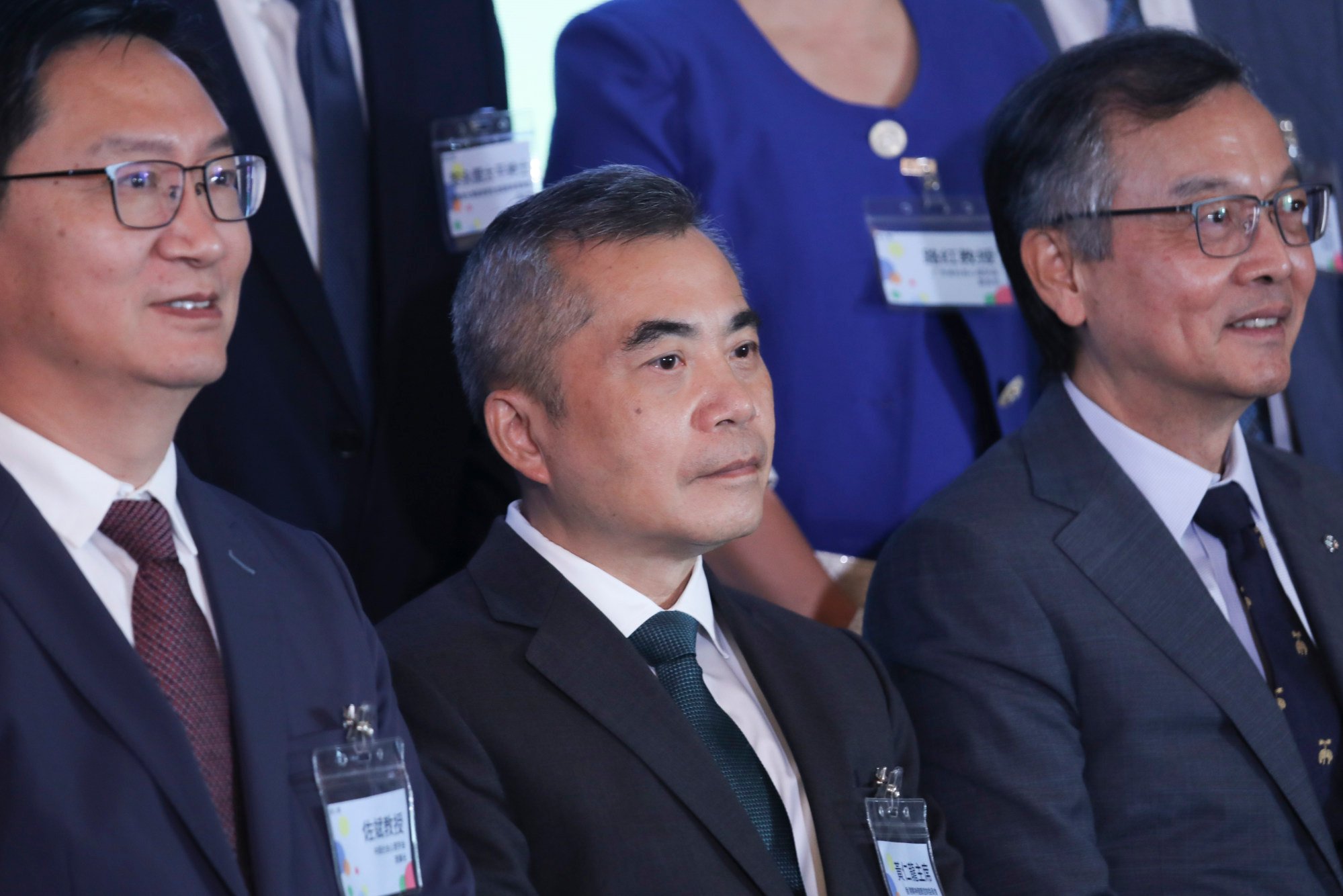
During the event held jointly by the Hong Kong Association for the Promotion of Mental Health and the Guangdong Social Psychology Association, Wong, citing the World Health Organization, said there should be at least one psychiatrist for every 10,000 people.
He added with more than 7.3 million population, Hong Kong should have at least 730 psychiatrists. There are only 427 registered psychiatric specialists, far below the international standard.
Wong said that support for mental health services should not only come from the government, but also different sectors of the community.
The government proposed 10 measures to boost support to the city’s mental health services in June, after a knife-wielding man suffering from schizophrenia killed two women.