


But the commission acknowledges that the region’s room for manoeuvre is sharply constrained in security, technology and critical infrastructure, areas in which Washington remains dominant and has sought to curb Beijing’s growing influence.
The report, released on Tuesday by the UN Economic Commission for Latin America and the Caribbean, argues that countries can work with different partners on different issues – maintaining security relationships with Washington while diversifying trade and investment towards China and other economies.
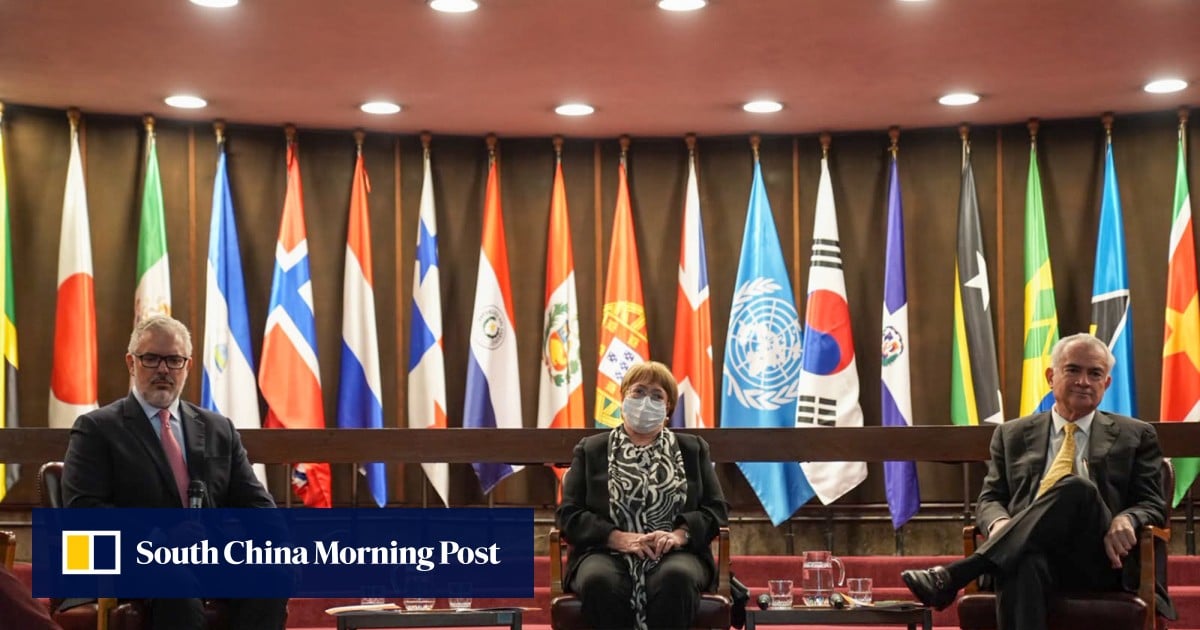
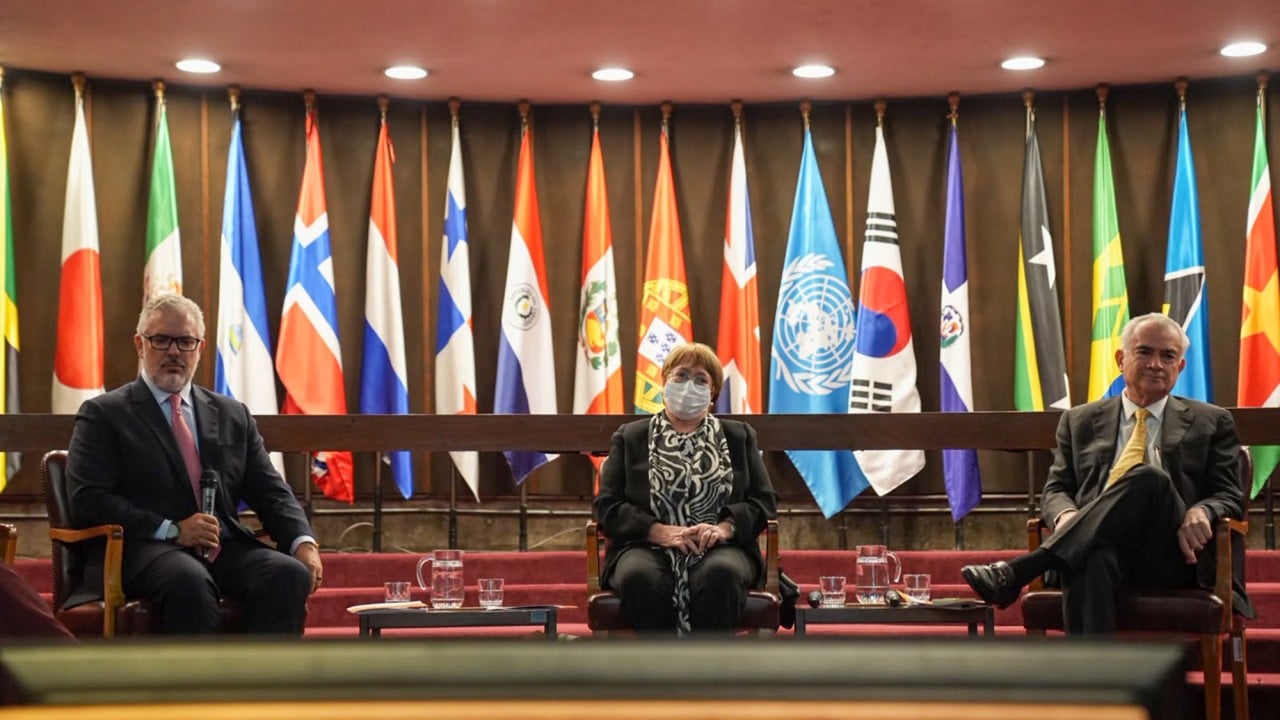
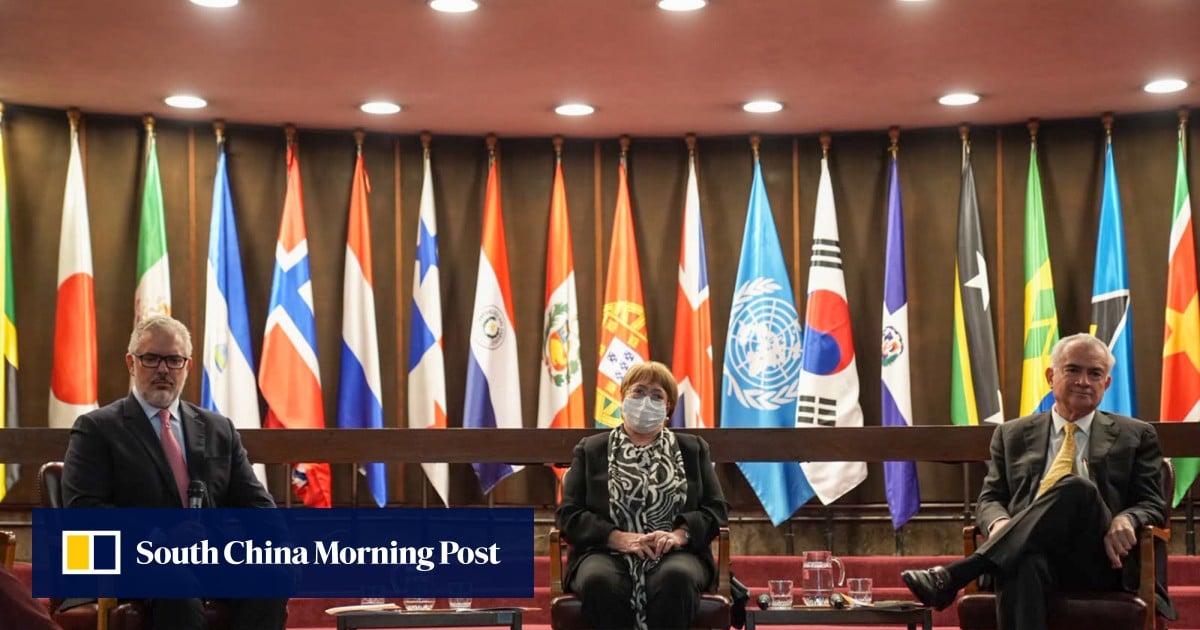
Presenting the report in Santiago, Duque said Latin America needed “a geopolitical vision of our own, not dictated to us”, arguing that countries should not become trapped in fixed alignments or automatically take sides between rival powers.
Governments should instead retain the flexibility to align with different partners according to their strategic priorities, shared principles and opportunities for trade and investment, he said.
Bachelet said the region had gained leverage because intensifying competition among global powers had increased the value of its resources.
“The world has changed, and the countries of Latin America and the Caribbean have many things that the world needs,” she said.