



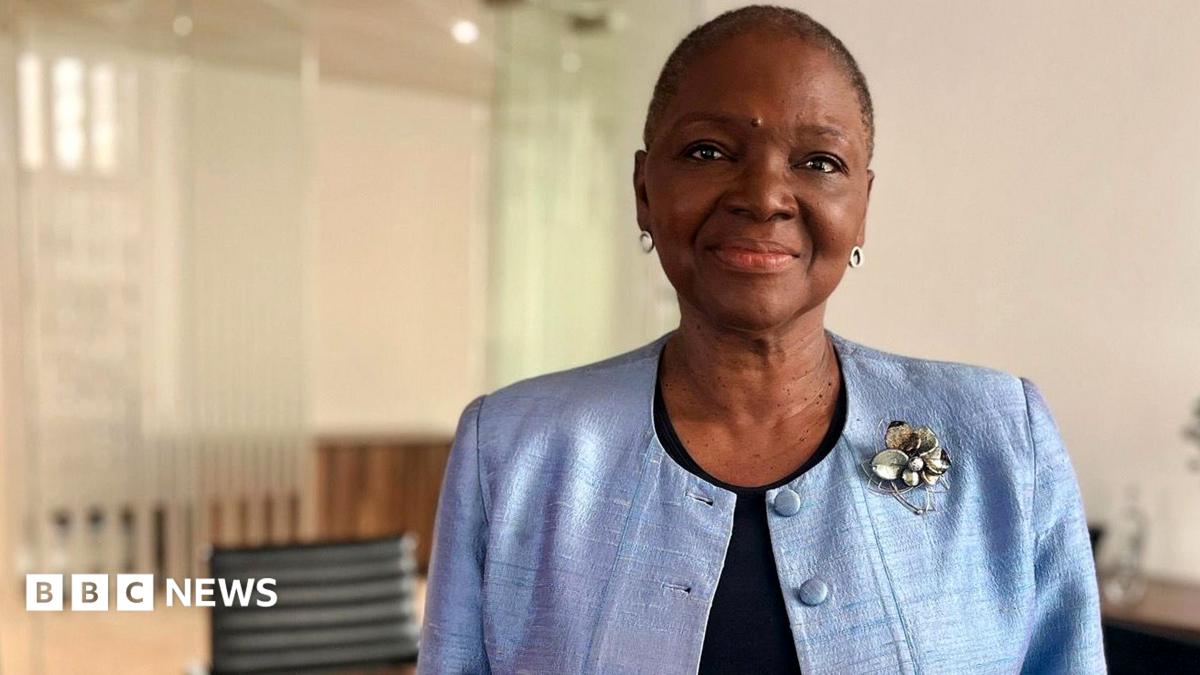
Baroness Amos was asked to write her report after a series of individual maternity scandals undermined the trust of many families in the NHS.
Her team heard from more than 450 families and visited 12 NHS hospitals in England to understand what change was needed.
The key failing identified was an unwillingness to listen to women and families, leading to poor outcomes. There was a lack of a consistent standard of care, with large variations across the health service.
The system was “fragmented, overly complex and too slow to learn and improve,” the report found.
In her recommendations, Baroness Amos called for an immediate overhaul of maternity triage services, which were described as “increasingly becoming the A&E service for maternity”.
As part of that, dedicated midwives should answer calls and provide timely advice, while women should be offered face-to-face appointments if they were still concerned. If those changes were made, the report said, “lives will be saved and harm reduced”.
Racism and discrimination must be treated as a critical safety issue, the inquiry found, requiring urgent intervention, including gathering data on unequal outcomes that can be escalated to board level when patterns emerge.
Speaking to BBC Radio 4’s Today programme, Baroness Amos said the system was “not fit for the now and it’s not fit for the future”.
“We need national standards to frame maternity and neonatal care against which we can then test how trusts are doing, how care is being delivered,” she added.
She acknowledged calls by some families for a statutory public inquiry that would compel senior figures at hospital trusts to give evidence, but she said she was not supportive of the idea.
“Statutory public inquiries take a very, very long time,” she said.
“From the work that I have done and from the conversations that I have had with families, I don’t at the moment see that there is a need for a statutory public inquiry, but that’s not a decision for me to take.”
The eight recommendations made in the report are:
-
Appoint a national maternity and neonatal commissioner to drive change
-
Listen to the voices of women, birthing people and families
-
Improve how the system responds and learns when something goes wrong
-
Set out national standards to consistently achieve high-quality care
-
Tackle racism, discrimination and inequality
-
Improve governance and accountability structures and regulatory oversight
-
Improve culture and teamworking, and strengthen leadership at all levels
-
Deliver digital systems and buildings that are fit for modern care