


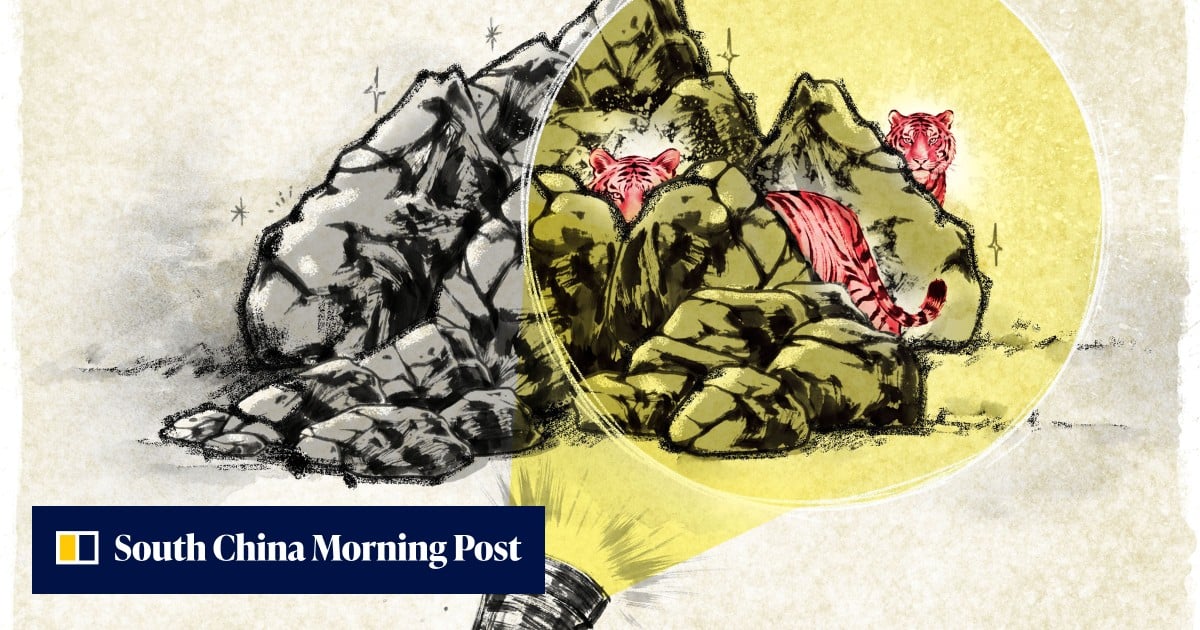

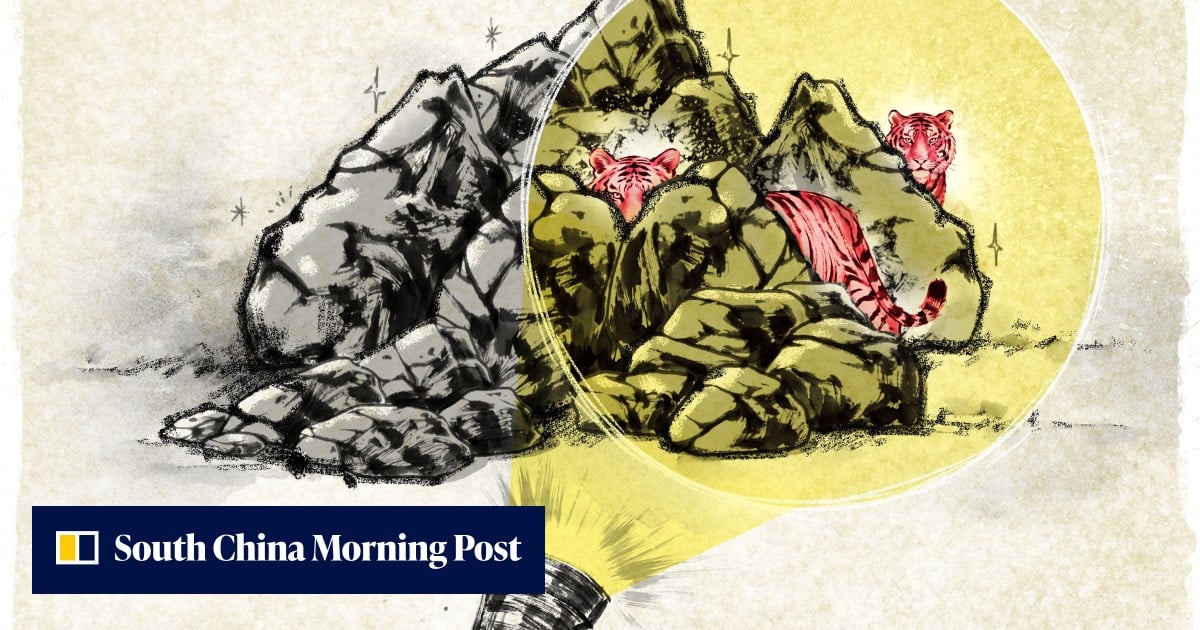
Beneath the desolate Gobi Desert and sparsely populated mountains of China’s less developed regions lie abundant mineral resources, ranging from coal, the most basic fuel for China’s economy, to critical minerals needed for cutting-edge industrial machinery and state-of-the-art military products.
These regions are not only rich in natural resources critical to the world’s second-largest economy, but also appear to be fertile ground for deep-seated corruption.
Research by the South China Morning Post shows that China’s resource-rich and border regions have been the hardest hit in the country’s decade-long corruption crackdown, as Beijing tries to avoid succumbing to regional “resource curses”.
China’s anti-corruption fight in numbers: 13 years of data analysed
It shows that China’s mineral-abundant regions, including Jiangxi, Liaoning, Inner Mongolia, Shanxi and Hebei, top the chart for the most senior officials sacked for corruption in that period.