


Racism remains a key issue for First Nations AFL players, while Indigenous AFLW players rate their workplace culture significantly lower than their peers, a new report finds.
Data by the AFL Players Association in the Insights and Impacts Report canvassed AFL and AFLW players, including First Nations and culturally diverse players.
When asked to rate their workplace culture out of 10, Indigenous AFLW players found it to be just 6.95 out of 10. The average 7.28 amongst all AFLW players.
For ‘My club cares about me as a person’ the figure dropped for Indigenous AFLW players to 7.57 from 9.05, the average amongst the wider cohort.
Comparatively Indigenous AFL players rated their overall workplace culture at 8.28 out of 10 — aligning closely with the score of 8.27 for all men’s players.

AFLW and AFL have an annual Indigenous Round. (Getty: Robert Cianflone)
The main source of racism reported by players was social media, including DMs, followed by the media and spectators at games. Other sources included by teammates, club staff, opposition players and staff and by the AFL.
Regarding whether the response to racist incidents had been ‘sufficient’, 70 per cent of AFL players and 100 per cent of AFLW players rated this ‘somewhat’ to ‘no, not at all’.
67 per cent of AFLW players regarded the response to be non-existent.
Calls have remained high to address racist abuse of players, which was thrust under a media spotlight last year when St Kilda’s Nasiah Wanganeen-Milera and Port Adelaide’s Jase Burgoyne received racially abusive messages online.
It comes as the league admitted it needs to do more to address the decline in Indigenous players in the competitions, having dropped from 87 in 2020 to 62 this year in the men’s.
There are just 21 AFLW self-identified Indigenous players.
From next year, the league is set to introduce a dedicated list spot for Indigenous players in a bid to boost numbers.
For both the men’s and women’s competition, clubs will have an additional rookie spot available to draft an Indigenous player.
The AFL confirmed it is proceeding with the move, however it still requires final sign off from the AFL Commission.
Part of that work by the AFL has included the AFL launching a First Nations Impact Fund earlier this year, with around $300,000 to be invested annually in partnership with clubs.
That money will go towards initiatives designed to address cultural safety and racism, and grow representation.
AFL CEO Andrew Dillon said the plan was about providing opportunity and investing in grassroots.
“Then, when the players are drafted, we’re making sure the First Nations players are staying in the game as long as others,” Dillon said in May this year.
“There’s plenty of work to do, but we’ve got targets in mind and big focus points.”
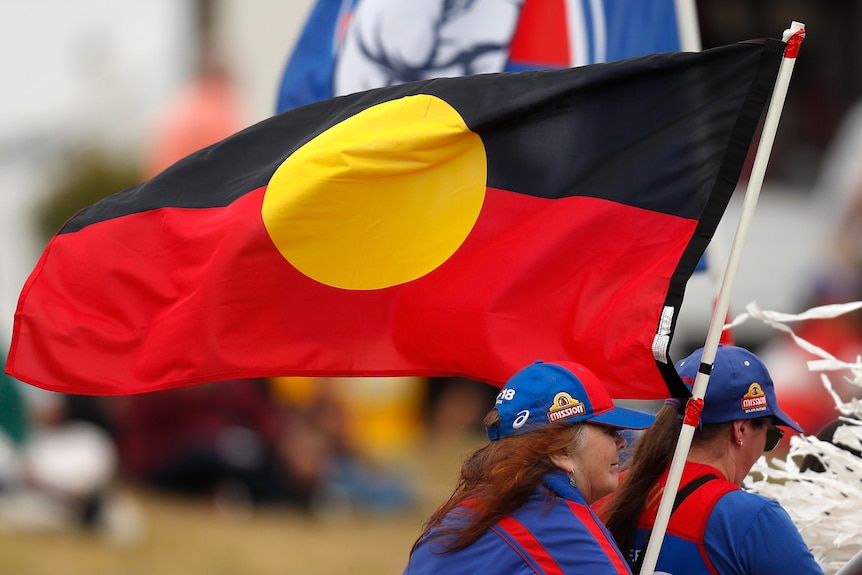
Racism remains a key issue for AFL and AFLW players. (Getty: Michael Willson/AFL Photos)
The AFL, AFLPA, clubs and players have also established an equality, inclusion and safety advisory committee aimed in part at making the game safer for all participants.
The AFLW celebrates Indigenous round over two weekends, while the AFL recognises Sir Doug Nicholls Round annually. The rounds celebrate and honour the contributions of Aboriginal and Torres Strait Islander players, cultures and communities to Australian Rules football.
The full Insights and Impact Report will be released by the AFLPA on Wednesday evening.
dan