


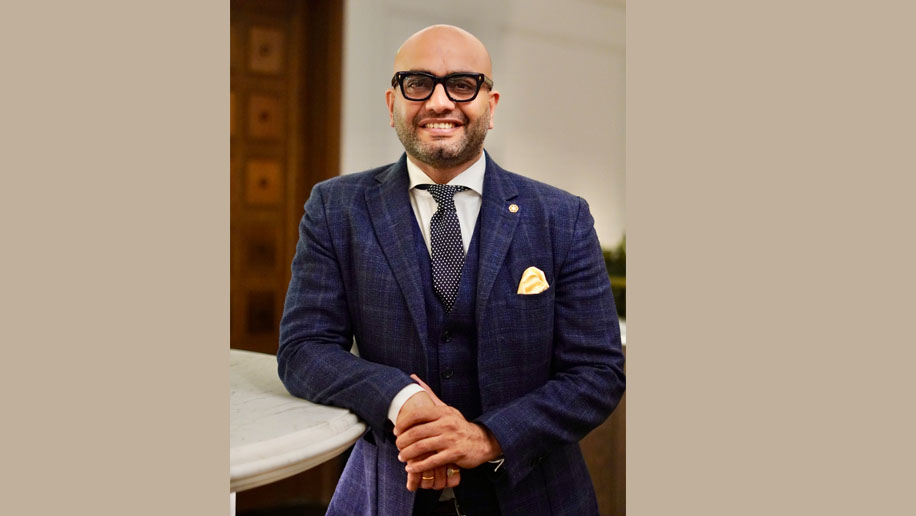
What strategic vision do you have for Taj Hotels’ expansion in the Middle East region, regarding enhancing guest experiences and maintaining operational excellence across multiple properties?
Currently, in the Middle East, we have three properties – Taj Dubai, the flagship property of Taj in the Middle East, the trendy Taj Exotica Resort and Spa and the contemporary Taj JLT. Taj Hotels opened its first hotel in the Middle East in Dubai in 2015, due to dynamic shifts in travel preferences and consumer needs. In the coming years, we look forward to solidifying our leadership across the Middle East and strengthening the name of Taj within the region.. With the Kingdom of Saudi Arabia growing rapidly too, we have three new properties launching in Riyadh and Mecca by 2026.
The Middle East has become a thriving tourist destination offering rich history, diverse natural landscapes, safety and experiences for all types of travellers. Additionally, the introduction of a unified visa for the GCC, known as ‘Grand Tours,’ enhances accessibility to all six Gulf countries, signalling positive progress for regional tourism. Taj’s vision is to redesign the Middle East’s booming tourism scene and deliver top-quality service – committed to ‘Atithi Devo Bhava’.
To enhance guest experiences and maintain operational excellence across multiple properties, Taj aims to integrate local elements such as Middle Eastern design motifs, traditional cuisine, providing culturally sensitive services, and curating unique experiences such as desert safaris, cultural tours and journeys tailored to the guests’ preferences.
As Area Director of Middle East and CIS, what are your key priorities for aligning the operations of Taj Hotels UAE with the overarching goals and values of IHCL?
IHCL is guided by core values of trust, awareness and joy. A combination of unparalleled craftsmanship, top service and undeniable business judgment makes IHCL iconic. We aim to the be epitome of luxury, where our goal is scalability but not flag planting. In the transition into the role of Area Director of Middle East and CIS, aligning the operations of Taj Hotels with the overarching goals and values of IHCL is paramount. My key priorities for achieving this alignment are:
To effectively align Taj Hotels Middle East and CIS with IHCL’s goals, values and Paathya. This involves familiarising with IHCL’s mission, brand ethos and strategic objectives, which include progress, preservation, prudence, promotion and partnership.
- Actively promoting IHCL’s brand identity and incorporating its brand values, design elements and service ethos into the guest experiences within Taj Hotels is key for alignment.
- Cultivating a culture of excellence and continuous improvement within Taj Hotels in the region aligns with IHCL’s commitment to delivering exceptional hospitality. This involves fostering a supportive and empowering work environment, investing in employee training and development, and recognising and rewarding excellence.
- My idea is to develop future leaders, which involves several strategic initiatives focusing on identifying, nurturing and retaining high-potential employees.
Given your international hospitality experience and history in leading teams to achieve remarkable milestones, how do you plan to leverage this expertise to foster a culture of innovation and continuous improvement within the Middle East operations?
Managing luxury hotels across different global locations comes with diverse challenges and opportunities due to different cultures, guest preferences, market dynamics and legal environments. A few key differences are:
- Each location has its culture, charm, values and traditions that influence guests’ expectations and behaviour. Understanding and respecting these cultural differences is crucial to providing exceptional service.
- Market conditions, such as demand and supply, competition and economic factors vary globally. For example, the luxury hotel market in London is more competitive and price-sensitive compared to Ibiza or the price sensitivity of a city hotel such as Taj Dubai compared to a resort such as Exotica Resort and Spa at The Palm. Legal frameworks differ in each country impacting various aspects of operations, including labour laws, taxation, licensing and safety standards. So, I need to stay informed about local regulations and ensure compliance to avoid legal risks.
- Seasons play a large role in different locations. For example, destinations such as Taj Dubai, Taj Exotica Resort and Spa, and Taj JLT located in different sides of the city may experience low seasons during summer months, whereas destinations like Mallorca and Ibiza may experience peak seasons in summer and cities like London, may see higher demand during certain events or conferences.
Sustainability and community engagement are increasingly important aspects of corporate responsibility. How do you envision integrating IHCL’s PAATHYA program initiatives into the operations and culture of Taj Hotels in the Middle East to make a positive and profitable impact on the community?
Integrating IHCL’s Paathya program into the operations and culture of Taj Hotels in the Middle East region is an opportunity to make a positive and profitable impact on the community. Paathya aims to eliminate single-use plastics and meet water requirements through recycling and reuse by 2030. Mr. Puneet Chhatwal, Managing Director and CEO of IHCL stated that ‘Today, it has become even more important to chart a new tomorrow – one that is more sustainable and inclusive. The launch of Paathya is in line with IHCL’s commitment to strengthen its resolve to contribute to society with an integrated approach towards creating sustainable growth and positive impact. This reaffirms our founder, Jamsetji Tata’s vision of keeping the community at the heart of business.’
This is how I envision achieving the integration:
- Sustainable practices by implementing energy-efficient technologies, such as LED lighting, water-saving fixtures, water conservation programs, and comprehensive waste management strategies focused on reducing, reusing and recycling. Speaking on this occasion, Mr. Gaurav Pokhariyal – Executive Vice President, Human Resources IHCL, mentioned that ‘in line with the vision of IHCL’s ESG+ framework of Paathya, we are committed to energy conservation and long-term goal of deriving 50 per cent of energy across all hotels from renewable sources by 2030.’
- Community engagement and social impact through employment opportunities for residents and citizens, women empowerment and focusing on skill development and training programs.
- We implement systems to gather feedback from guests and the local community on sustainability initiatives to improve and adapt these programs.
- By embedding IHCL’s Paathya program into the core operations and culture of Taj Hotels in the region, the company can create a model of sustainable luxury. This enhances the brand’s reputation, its profitability and contributes positively to the environment and local communities.