


“Char” for Borderland Beat
This article was translated and reposted from MILENIO
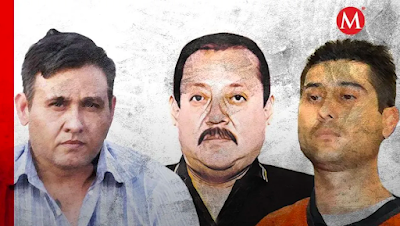
Although ‘Los Chapitos’ and their collaborators have become priority targets for US justice, some other criminal leaders are fighting legal battles against their extraditions.
Written By; ANEL TELLO
In the midst of a stealthy operation, on September 15, Ovidio Guzmán López -better known as El Ratón- left the Federal Center for Social Readaptation (Cefereso) No. 1, boarded a plane of the Attorney General’s Office (FGR) accompanied by Interpol personnel and arrived at the Metropolitan Correctional Center in Chicago, thus concluding his extradition process to the United States.
Joaquín Guzmán Loera’s son and member of Los Chapitos spent more than 200 days trying to postpone what could not be postponed since he became a priority target of the US justice system, his extradition became an example of bilateral collaboration between Mexico and the United States.
Two weeks later, during the National Fentanyl Family Summit, U.S. Attorney General Merrick Garland highlighted the extradition of El Raton as the result of the efforts of U.S. law enforcement agencies in the fight against drugs, and also stated that he would not be the only one to face U.S. justice.
“Two weeks ago we extradited Ovidio Guzmán López, a leader of the Sinaloa Cartel […] he is a son of the infamous Chapo and one of more than 12 cartel leaders we have indicted and extradited to the US. He will not be the last,” the US official argued.
Although Los Chapitos and their network of collaborators have become priority targets for the Department of Justice and the Drug Enforcement Administration (DEA), other criminal leaders in Mexico are still fighting a legal battle with the US justice system.
CJNG leaders and associates
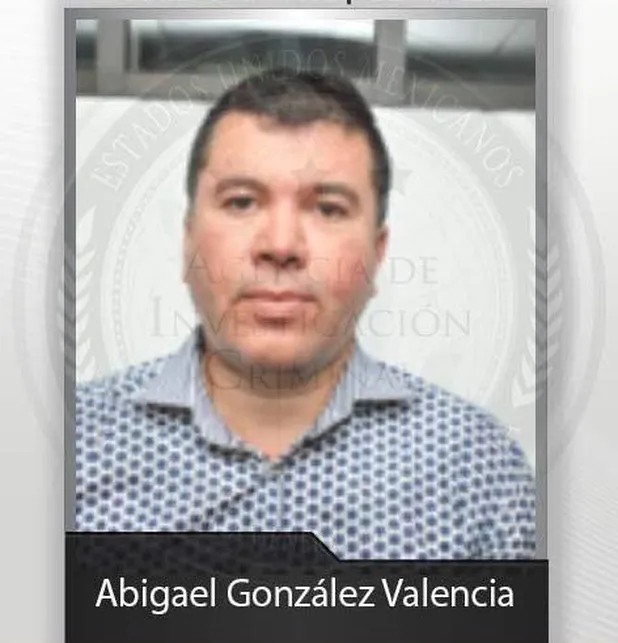
Both Mexican and US authorities identified a cell made up of several members of the González Valencia family as Los Cuinis, which is the financial arm of the so-called Four Letter Cartel headed by Nemesio Oseguera Cervantes, El Mencho.
In October 2018 DEA officials in Washington DC unsealed federal indictments against 11 CJNG members including the head of Los Cuinis.
Abigael González Valencia is charged with three counts issued in the District of Columbia in 2014, where he is alleged to be the leader of an ongoing criminal enterprise, as well as conspired to distribute significant quantities of narcotics for illegal importation into the United States, used firearms, and is linked to one or more drug trafficking offenses.
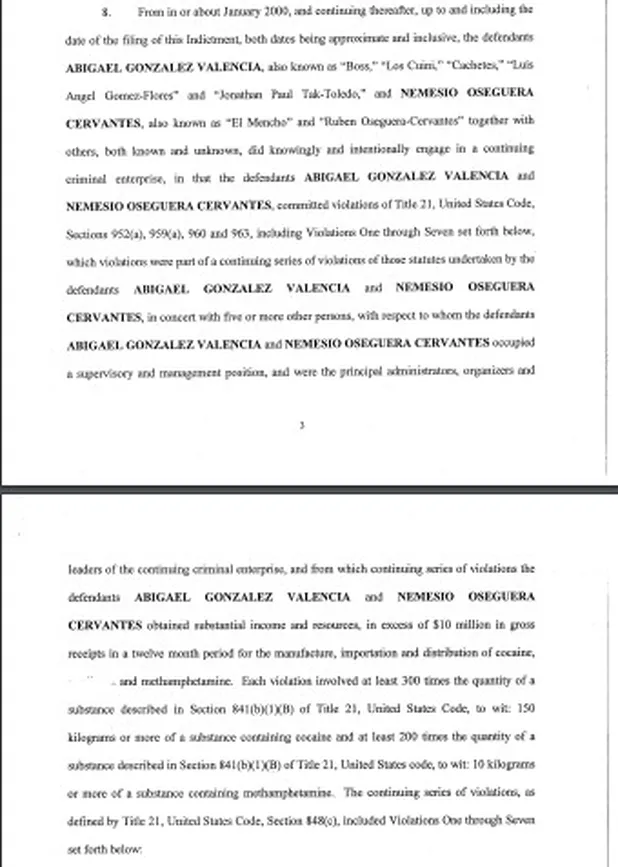
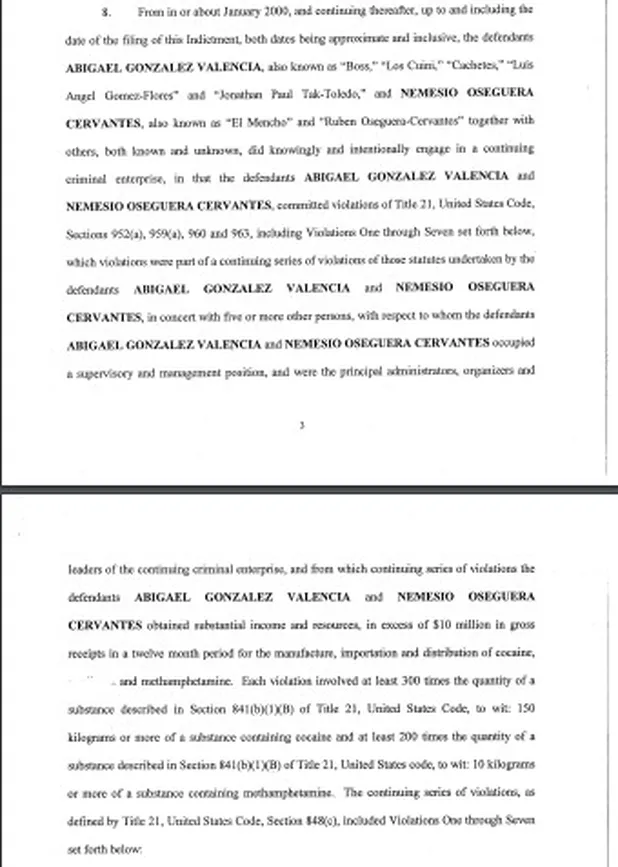
Because of these charges and his closeness to Nemesio Oseguera Cervantes — not only in business but also through family ties — the extradition of Abigael Gonzalez Valencia is one of the most relevant for the United States.
However, the last thing that was known about his process was that in October 2019 Rosa María Cervantes Mejía -the Twelfth District Judge of Amparo in Criminal Matters- granted El Cuini a resolution that prevented his extradition to the United States and, although supposedly the Attorney General’s Office (FGR) challenged the sentence, to date Abigael González Valencia continues to be held in the Centro Varonil de Reinserción Social Santa Martha Acatitla (Santa Martha Acatitla Male Center for Social Reinsertion).
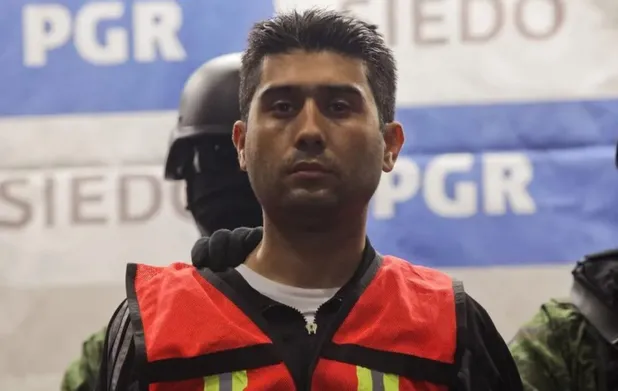
In September 2022, the Sedena informed through a communiqué that an arrest warrant was served against Erick Valencia Salazar in Tapalpa, Jalisco.
In addition to detailing that drugs and firearms were seized from El 85 – as he is also known – and his companions, the agency headed by Luis Cresencio Sandoval confirmed that the warrant was for extradition to the United States.
Valencia Salazar was identified by federal authorities as a co-founder of the CJNG, in addition to heading a cell known as Los Matazetas, whose objective was to eliminate members of Los Zetas operating in different states of the Mexican Republic.
Before founding the CJNG together with El Mencho, El 85 assumed the leadership of a faction of the Sinaloa Cartel coordinated by Ignacio Nacho Coronel, who was killed on July 29, 2010.
Erick Valencia Salazar’s extensive criminal history led the State Department to name him as the alleged mastermind behind the illegal importation of cocaine from Mexico and elsewhere for distribution in the United States since approximately 2003.
El 85 allegedly controlled large areas of central Mexico, including the states of Jalisco, Baja California, Colima and Michoacán.
In 2018, a federal indictment was filed against Valencia Salazar in the District of Columbia for violations of Title 21 of the United States Code, including conspiracy to distribute narcotics for importation into the United States.
Erick Valencia Salazar is being held in the Federal Center for Social Readaptation (Cefereso) No. 1, better known as El Altiplano, from where his legal defenders have filed multiple injunctions against his extradition to the United States.
Although the Ministry of Foreign Affairs (SRE) has considered him as a target for extradition, the Fifth District Judge for Amparo and Federal Trials in the State of Mexico, Alfonso Alexander López Moreno, has granted him injunctions to annul what has been dictated in the extradition file. His legal battle is still ongoing.
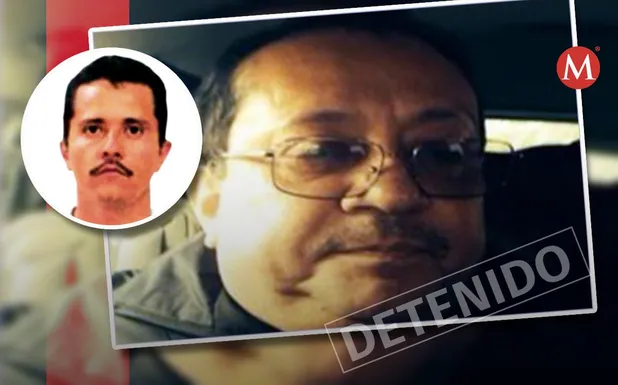
During the last days of 2022, an intense operation by federal forces in Tlajomulco de Zúñiga, Jalisco resulted in the arrest of Antonio Oseguera Cervantes, alias Tony Montana.
The brother of El Mencho was identified by authorities as the logistical operator of the CJNG, in addition to being the alleged person in charge of purchasing firearms for the criminal group and of money laundering activities.
According to a statement issued by the U.S. Department of Justice, in January 2023 a federal jury in the District of Columbia issued a formal indictment against Antonio Oseguera Cervantes for conspiracy to traffic cocaine and methamphetamine internationally.
“Oseguera Cervantes is charged with conspiracy to distribute five kilograms or more of cocaine and 500 grams or more of methamphetamine for importation into the United States from January 1998 through December 2022, and possession of a firearm pursuant to a drug trafficking offense from January 2000 through December 2022. If convicted, he faces a mandatory minimum sentence of 15 years in prison,” reads the press release issued by the U.S. Department of Justice.
Because of these charges and his criminal profile, the extradition of Antonio Oseguera Cervantes is a priority for the governments of both countries, as the United States considers the CJNG to be one of the largest, most dangerous and prolific drug cartels in Mexico, largely responsible for trafficking fentanyl to the country of the stars and stripes.
Despite the fact that the State Department made a formal request for Tony Montana’s extradition to the Ministry of Foreign Affairs (SRE), his legal defense has promoted a warrant to stop the process that the brother of El Mencho is facing from the Federal Center for Social Reinsertion (Cefereso) No. 1 in the State of Mexico.
Rafael Caro Quintero and his pending debt with the U.S.
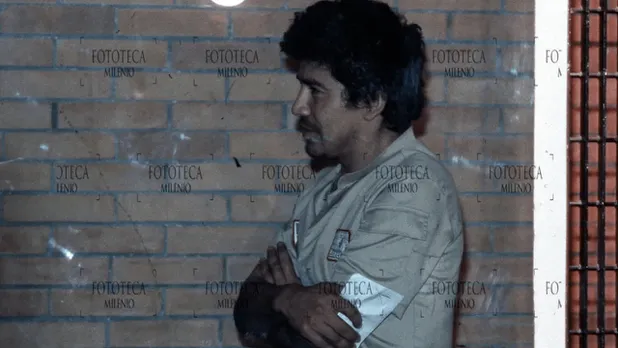
For more than 37 years, the US government has been seeking the extradition of Rafael Caro Quintero for his alleged involvement in the 1985 kidnapping and murder of special agent Enrique Kiki Camarena in Guadalajara, Jalisco.
The co-founder of the Guadalajara Cartel was imprisoned in Mexico for 28 years until 2013 when he obtained an injunction that allowed him to regain his freedom.
Subsequently, this ruling was revoked and a re-arrest warrant was issued, which Navy agents carried out in July 2022 in the municipality of Choix, Sinaloa.
Since then, the U.S. government has insisted on the extradition of the also-called Narco de Narcos, who has legal defenders who have promoted multiple appeals to secure his stay in Mexico.
Despite the legal battle being waged by lawyers, prosecutors and the Mexican Foreign Ministry, the United States does not seem to take its finger off the table, as on September 18, Ambassador Ken Salazar made public statements to honor law enforcement officials, including the U.S. and Mexican Armed Forces.
In one of the paragraphs of the document issued by the U.S. Embassy and Consulates in Mexico, they refer to Rafael Caro Quintero as one of the most relevant arrests in recent times and the United States reaffirmed its commitment to work with Mexico in his extradition.
“We also honor the memory of the 14 Mexican Marines from the Secretariat of the Navy (SEMAR) who paid the ultimate sacrifice to capture Rafael Caro Quintero. The United States is committed to working with Mexico to extradite him and hold him accountable for his crimes,” read the statement containing Ambassador Ken Salazar’s remarks.
Los Zetas and the Treviño Morales brothers
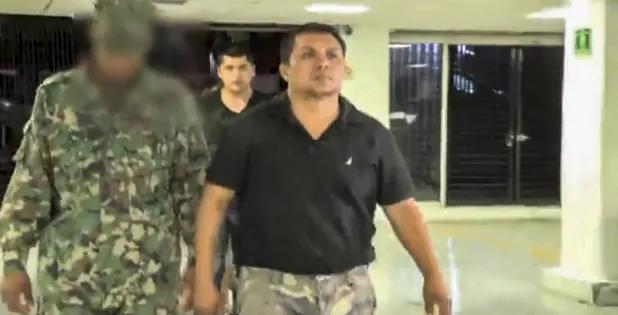
Federal authorities confirmed in July 2013 the arrest of Miguel Angel Treviño Morales, better known as El Z-40, following an operation in the city of Nuevo Laredo, Tamaulipas.
The capture of the man who was considered one of the main leaders of the bloodthirsty Los Zetas cartel was presented with great fanfare by the government of Enrique Peña Nieto after the State Department identified him as responsible for smuggling several kilogram loads of cocaine every week from Mexico to the United States, as well as for facilitating the trafficking of the same narcotic from Guatemala.
For such criminal activities, the name of Miguel Angel Treviño Morales was included in a federal indictment in the District of Columbia for violations to Titles 21 and 18 USC, however, a decade after his capture, his extradition to the United States has not been finalized as a result of multiple legal appeals filed by his lawyers and approved by different judges.
Although Z-40 has been held in several prisons, he is currently in the Federal Center for Social Readaptation (Cefereso) No. 15 in Chiapas.
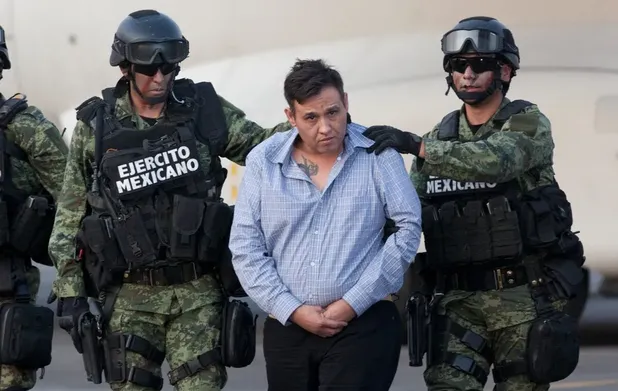
On March 4, 2015, the DEA expressed its “congratulations” to the Mexican government for consolidating the arrest of Omar Treviño Morales, better known as El Z-42.
The apprehension of the leader of the Los Zetas Cartel took place in a luxurious residence located in San Pedro Garza Garcia in Nuevo Leon after multiple intelligence works.
According to information from the State Department, the brother of Miguel Angel Treviño Morales was a mid-level leader in the criminal organization, responsible for several kidnappings and murders committed in Nuevo Laredo between 2005 and 2006, in addition to being the source of supply for several shipments of cocaine trafficked from Mexico to the United States.
With such precedents, El Z-42 has had a federal indictment filed before the District of Columbia since 2008, however, as in the case of his brother, his appearance before the U.S. justice system has been halted on multiple occasions.
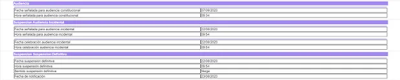
Information consulted by MILENIO through the website of the Federal Judiciary Council (CJF) shows that between August and September, the definitive suspension of an injunction against the extradition order to the United States was denied.
However, it was decided to grant him a provisional suspension, which means that the resolution of the amparo is still ongoing and it will be determined in the near future if the extradition of the leader of Los Zetas is once again postponed or if, on the contrary, it will proceed and he will be taken to the U.S. justice system.