


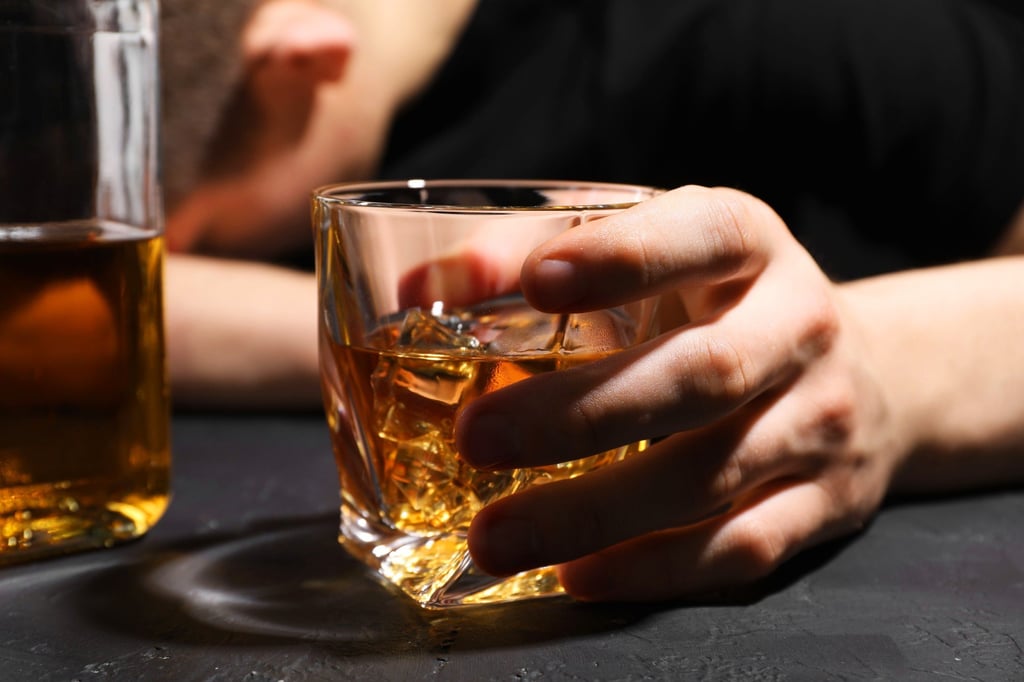
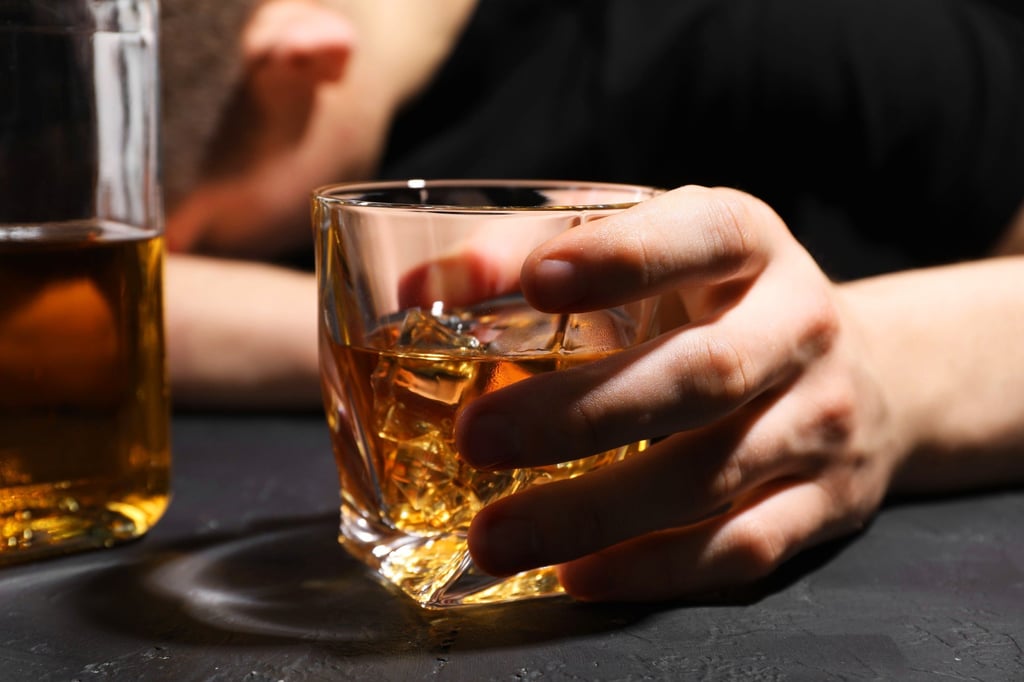
The 52-year-old admitted he had struggled with alcohol for years and decided to quit in 2000 after he caused a disturbance on a flight because he had been drinking.
“I went to see a doctor on my friend’s advice and found out that I had depression, which was then managed by medication,” Cheng said.
“However, I made the wrong decision again and chose to drink to escape from reality.
“My wife also told me I was simply deceiving myself. The amount of stress I was under finally reached a breaking point.”
He added he planned to check in to an alcohol treatment programme at a rehabilitation centre in the United States, with his wife’s support.
Dr May Lam Mei-ling, a psychiatrist and founder and president of the Hong Kong Mental Wellness Association, on Wednesday said Cheng’s frankness about his condition sent a strong message to the public.
“The message is everyone can be under stress and it can definitely help if you speak out,” she added.
Lam said a study had shown between 27 and 40 per cent of patients with depression also had “alcohol use disorder”.
She said people might use it as self-medication or as an escape when they felt depressed or had difficulty sleeping.
“You may feel relaxed when drinking but once you stop, you may feel anxious, which may prompt further drinking,” Lam explained.
“Alcohol is a central nervous system depressant, which may also cause depression. If you are depressed and resort to drinking, it creates a vicious circle.”
She added doctors had to tackle the underlying psychological problems that patients faced before they could deal with alcohol problems.
Hou Wai-kai, an associate professor of psychology at the Education University of Hong Kong, explained depression and alcohol use disorder were separate conditions, but could appear at the same time.
He said depressed people often lacked the ability to choose the best way to cope with stress and added that family and friends could give vital emotional and physical support.
Paul Wong Wai-ching, a clinical psychologist and associate professor at the University of Hong Kong’s department of social work and social administration, said in recent years several celebrities and athletes in the city and overseas had discussed their mental health problems, which helped to dispel a taboo around the subject.
02:56
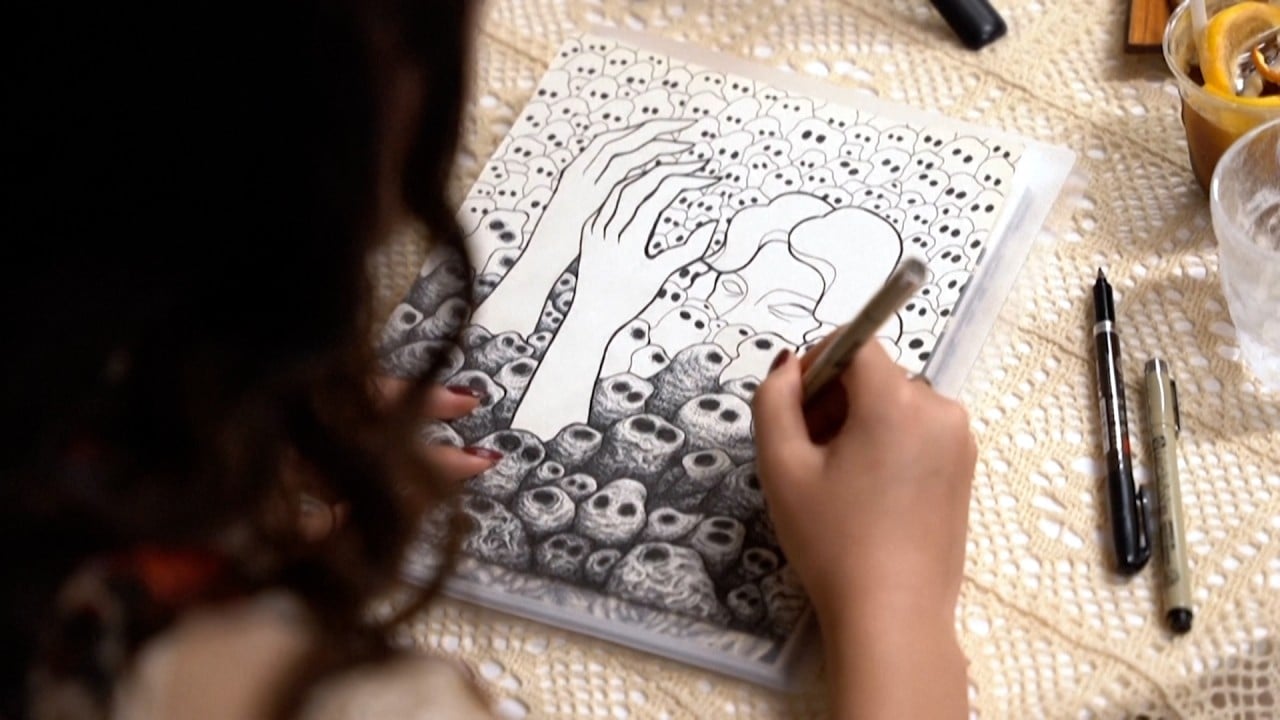
Chinese artist opens up about mental health struggles to fight cultural stigma
Chinese artist opens up about mental health struggles to fight cultural stigma
“It gives a message that even successful people have their own issues,” he added.
“We always see people who appear to be very successful, sociable and happy … the key message is we should pay attention to the people around us, whether their behaviour is congruent with their minds.”
The Hospital Authority said studies had shown more than 300,000 patients were treated for depression in Hong Kong.
The Department of Health said doctors could refer people with alcohol and mental health problems to the authority’s specialist psychiatric outpatient clinics for assessment and treatment.
The Castle Peak Hospital also provides alcohol treatment services at the Tuen Mun Mental Health Centre.
A spokesman for the hospital said that the number of people using the service had fallen from 2,259 in 2019 to 2,066 in 2023.
Cheng was often regarded as a successor to Cantopop superstar Jacky Cheung Hok-yau when he entered the public eye in the 1990s.
But his image took a dent after he was reported to have drank excessively on a flight, smoked cigarettes in a toilet and put a woman flight attendant in a headlock after she refused to serve him more alcohol on a flight from Los Angeles to Taipei.
Cheng was arrested after the flight was diverted to Alaska.
Cheng, however, regained his fame by acting in comedies and also returned to singing.
He gained popularity in recent years by appearing in YouTube videos that focused on topics younger people were interested in.