


The moment a person enters Ecuador’s prison system, they become a resource to be exploited by organized crime and corrupt officials in a criminal economy of staggering dimensions. Whether they are a hardened gangster, a petty criminal, or a civilian facing their first charges, this machine swallows them.
This criminal economy was created by the failures of the state to provide services and maintain order, and scaled up to a staggering size by the concentration of the prison population in “mega-prisons.” According to InSight Crime’s calculations, at its peak, it was worth over $100 million a year. These profits funded a transformative leap in the strength of the prison mafias, and incentivized corrupt officials to undermine any genuine attempts at prison reform in order to protect their business. But those left picking up the bill have usually been Ecuador’s poorest and most vulnerable. These are not only the prisoners themselves, but also their families, who go into debt to maintain their loved ones on the inside.

“The prison is a business. As soon as you arrive, you start getting charged … The prison is one of the main sources of income that the organization has.” – Choneros’ commander
The following model describes the business as it was before military intervention in 2024. This intervention disrupted operations, although there are already signs of it being reestablished. For a full breakdown of Ecuador’s prison business, read InSight Crime’s report into Ecuador’s prison system here. Explore the rest of the investigation here.
Basics
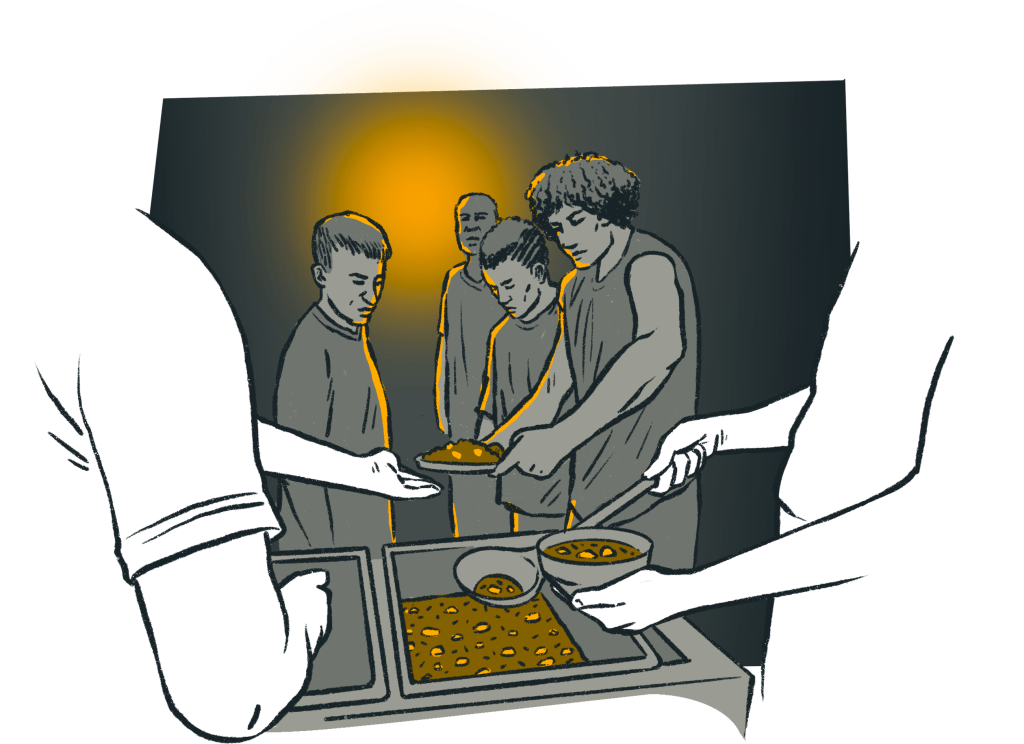
Food was distributed by the gangs, who took what they wanted and divided up the rest according to who paid a weekly quota. Those who could not pay were commonly given just enough to stave off death. The prisoners often had no choice when it came to accepting this food; it was simply distributed, and they were told the price. In many prisons, the dysfunctional water supply also left prisoners reliant on bottled water, which was sold by the gangs at high markups. Basic personal hygiene and cleaning products were sold in the same way and were typically included as a package deal that came with weekly fees.
Vices
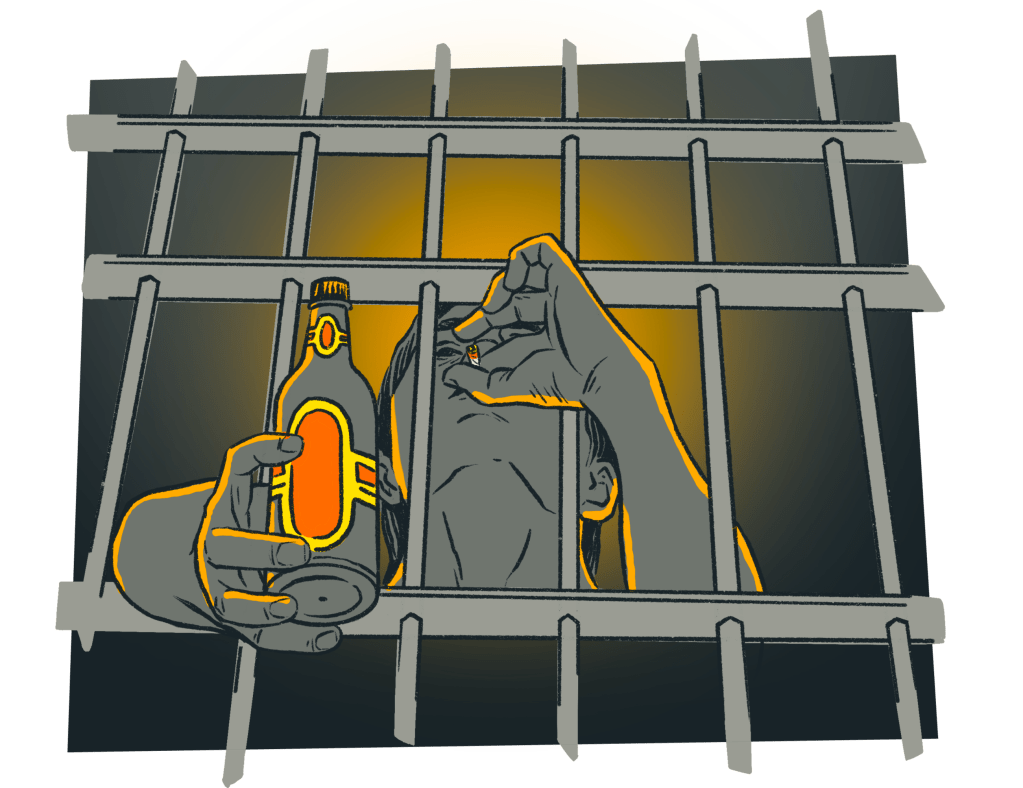
Gangs also provided access to the typical prison vices: drugs, alcohol, tobacco, gambling, and sex, among others. Sometimes, these vices converged in private parties or even festivals for the general population.
Extortion
In some prisons, prisoners had to pay “protection” money. Gangs often communicated directly with the families or loved ones of prisoners, threatening them. Sometimes, families were sent videos of beatings, which included threats to kill the prisoner if the gangs were not paid. Prisoners with either wealth or criminal capital to be exploited often faced the most severe beatings and even torture.
Communication and Visits
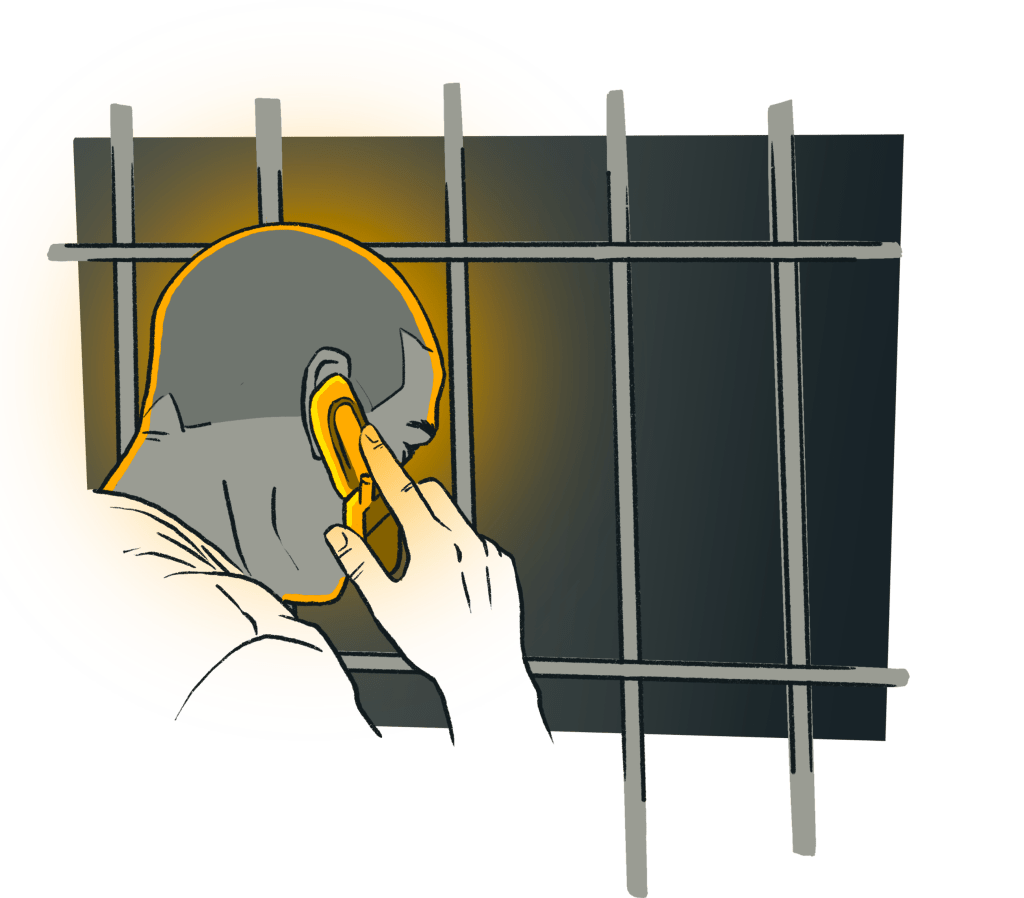
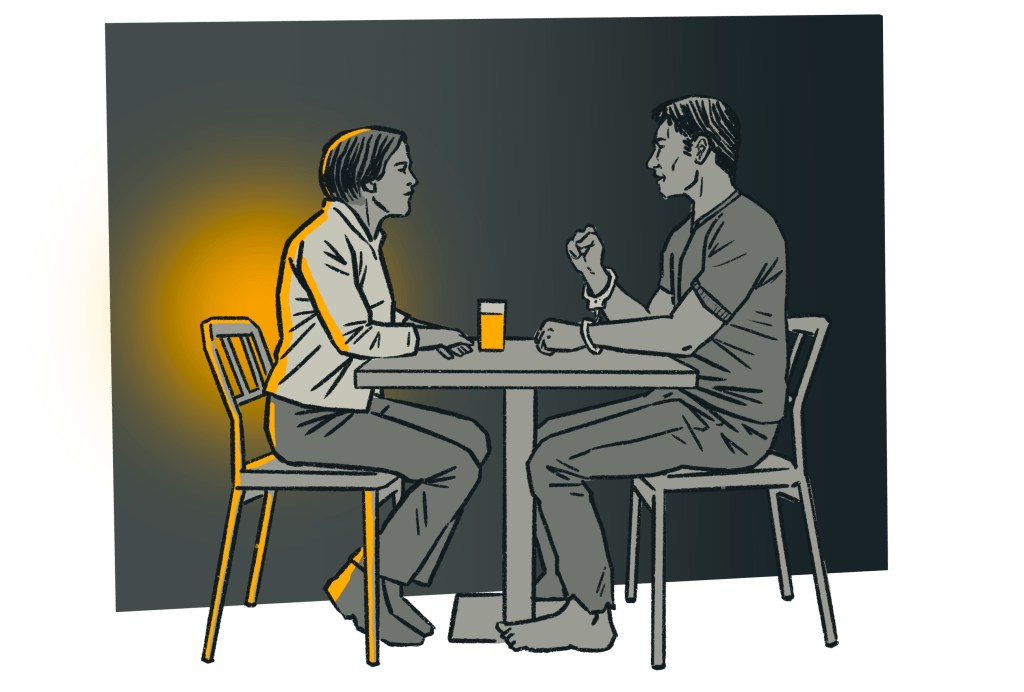
In most facilities, communication systems functioned sporadically or not at all, so most inmates paid for access to smuggled cell phones. If they had enough money, they paid for a phone to be smuggled in and then for a weekly data packet for calls and internet. In-person visits could mean another payment. Visits were also sold and traded by those not using their quota.
The Bank
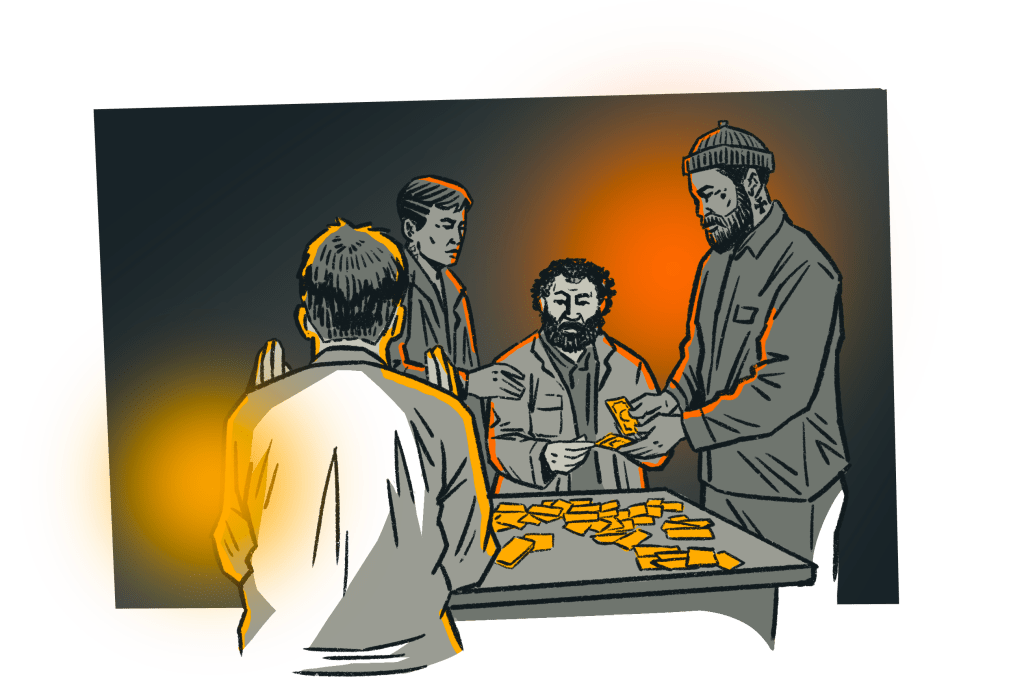
If prisoners needed cash inside, they could obtain it from “the bank” in exchange for a commission. The bank’s main function, though, was to lend money to those in dire need or with substance abuse problems. The interest rates were steep, trapping people in ever escalating debts. The mafias also directly imposed high-interest debts, sometimes for missed payments, but at other times simply concocted by gang leaders to extort more money from their victims.

Parole
Prisoners had to pay hundreds of dollars for reports of their participation in rehabilitation programs and the assessments they required to apply for conditional parole. Fraudulent reports were also sold to those who had not attended any of the programs. Once their file had been prepared, the prisoner then had to bribe the officials at the central office to process their case. For those that earned conditional release, parole officers would often charge to register them when they reported in – or take bribes to register them when they did not.
Transfers
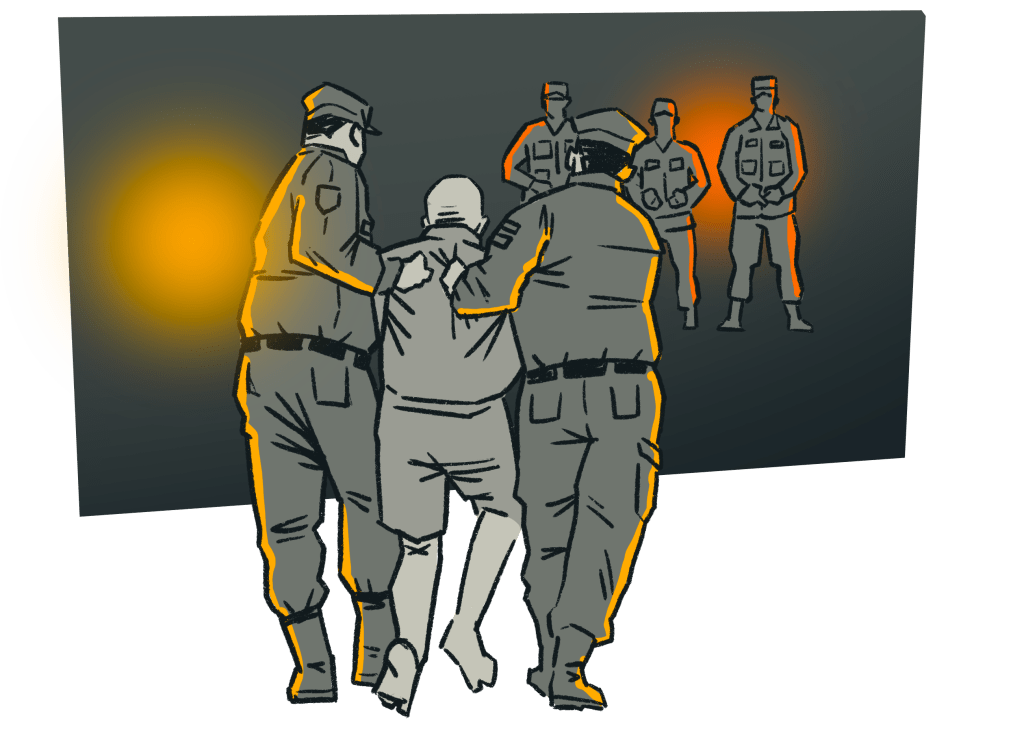
Corrupt officials charged to approve transfers between facilities, effectively selling the service, including to gang members seeking to move between prisons for strategic purposes. One former prison director also identified officials that used the threat of transfers as blackmail, demanding payments for not transferring prisoners.
Smuggling
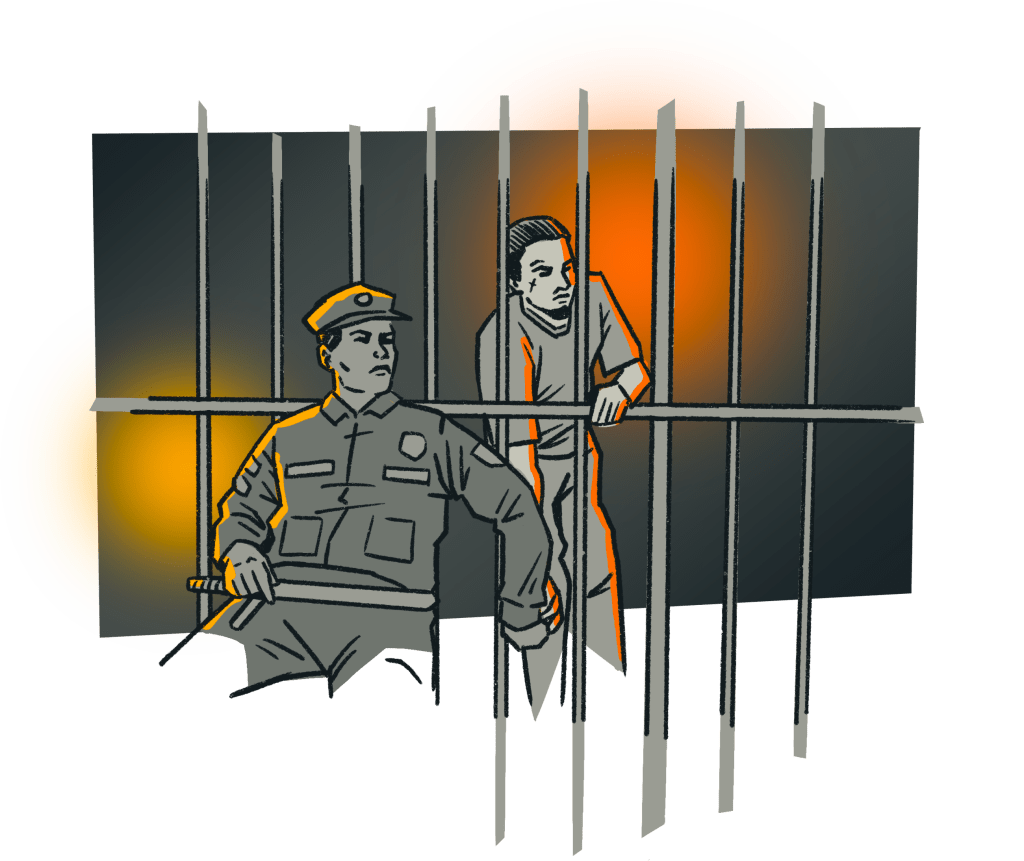
Corrupt police and guards moved contraband through security filters, which often included cameras, metal detectors, and scanners. For bulk items, this required officials to disconnect cameras and scanners or stage blackouts. In other cases, mafias hid contraband in the large containers used to bring in the prisoners’ food, which did not pass through the same security checks. Police and guards also helped smuggle in people, above all wives, girlfriends, and sex workers, who would stay the night and even days at a time.