


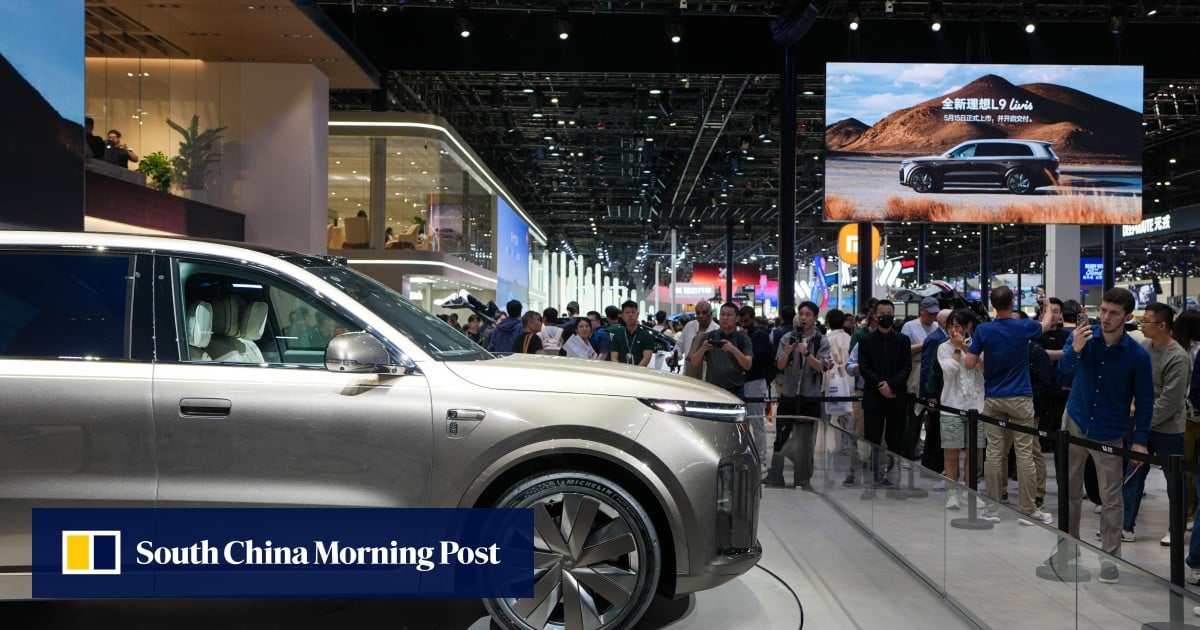
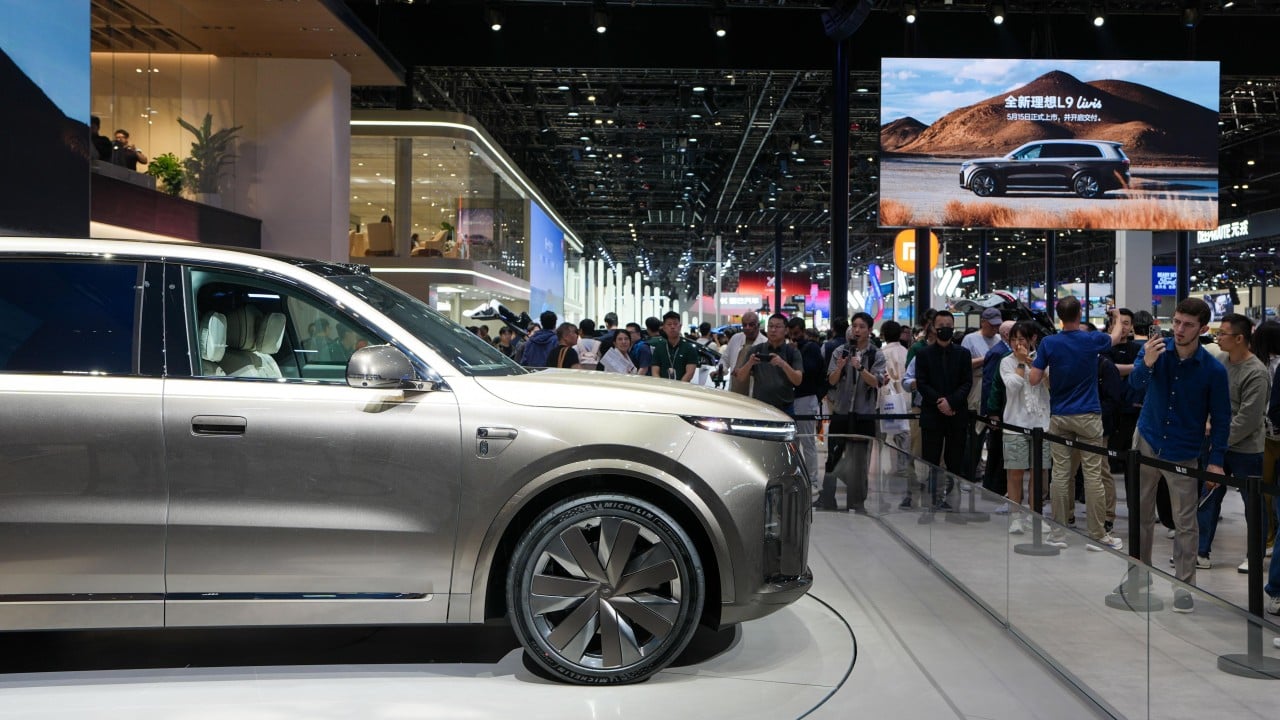
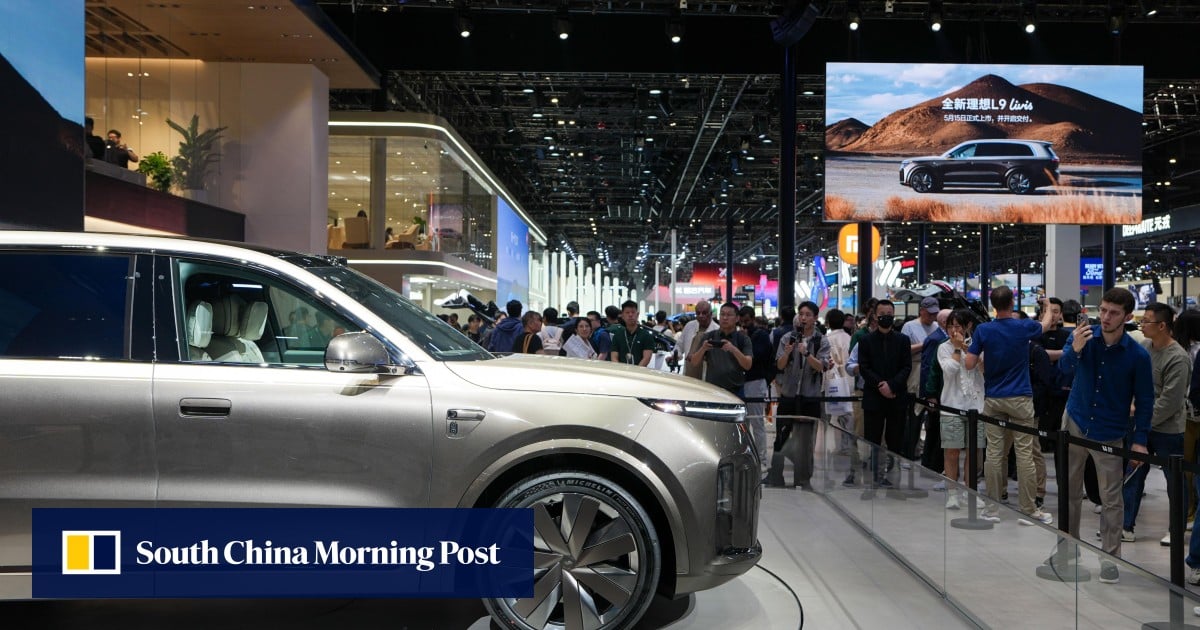
China is seeking to expand its influence over the future of the global auto industry through a sweeping regulatory blueprint covering core technologies ranging from vehicle chips, AI and batteries to autonomous driving and low-carbon development.
Advertisement
It also urged the development of guidelines for large automotive models and end-to-end AI systems – technologies that carmakers are increasingly adopting to support advanced driver assistance and autonomous driving capabilities.
The ministry also pledged to accelerate the development of standards for automotive chips, while stepping up work on battery safety, charging systems and solid-state batteries.
Advertisement
Beyond the domestic front, the plan underscores China’s ambition to play a greater role in international rule-making.
The ministry said it would deepen participation in UN automotive regulations, including rules on autonomous driving, electric vehicle safety and battery durability. It would promote new international standards, it added, while helping to establish an international automotive science and technology organisation, expanding cooperation and supporting Chinese carmakers in navigating overseas markets.