


A former FIFA official says the upcoming World Cup has been tainted by corporate greed, as two US states investigate soaring ticket pricing.
Tickets to this year’s World Cup are by far the most expensive on record.
Top tickets for the final were selling for the equivalent of almost $16,000, a nearly 600 per cent increase in comparison to the 2022 Qatar World Cup final.
“You have a sport that is becoming increasingly an elite sport,” Miguel Poiares Maduro, the former chair of FIFA’s governance committee, told the ABC.
“In light of the absence of any genuinely independent mechanisms of checks and balances, it’s unavoidable that FIFA will continue to put the focus on getting more and more money.“
Mr Maduro was hired by FIFA in 2016 following a series of damaging corruption scandals.
He was tasked with reforming the organisation and ensuring transparency and compliance with regulations. Less than a year into the job, he left the role.
“The way we conducted integrity tests and monitored elections clashed with the culture of the organisation, and that ultimately led to my removal,” Mr Maduro said.
He said the high ticket costs for the upcoming World Cup were a consequence of a “systemic conflict of interest” within FIFA, as it was both the regulator and the main commercial actor.
“As a regulator, FIFA ought to be making sure that the entire ecosystem of football benefits from the revenues,” he said.
“That means, for example, that as many fans as possible ought to have access to matches.
“As a commercial actor, however, the primary concern of FIFA is to maximise its income and so what we are seeing is that the commercial actor dimension is taking precedence.“
This World Cup is the first time FIFA has used a dynamic pricing model to sell tickets, meaning the prices fluctuate based on real and perceived demand. It has led to vocal backlash worldwide due to cost blowouts for fans.
FIFA has been contacted for comment.
FIFA president Gianni Infantino has previously defended the ticket costs. He said they reflected high public demand, arguing North America was a “special market” where people were more willing to pay big dollars for concerts and sporting events.
But the state attorneys-general in New York and New Jersey are now probing the high prices.
They are also investigating complaints that FIFA has changed stadium seat maps after tickets were sold, moving some ticketholders into less desirable seats at several matches.
‘Just the rich’ can afford tickets in Mexico
The opening game of the tournament will kick off in Mexico City early Friday morning (AEST), making Mexico the first country to host three World Cups.
The soccer-mad nation is sharing hosting duties with the US and Canada. But for most Mexicans, witnessing history is out of reach.
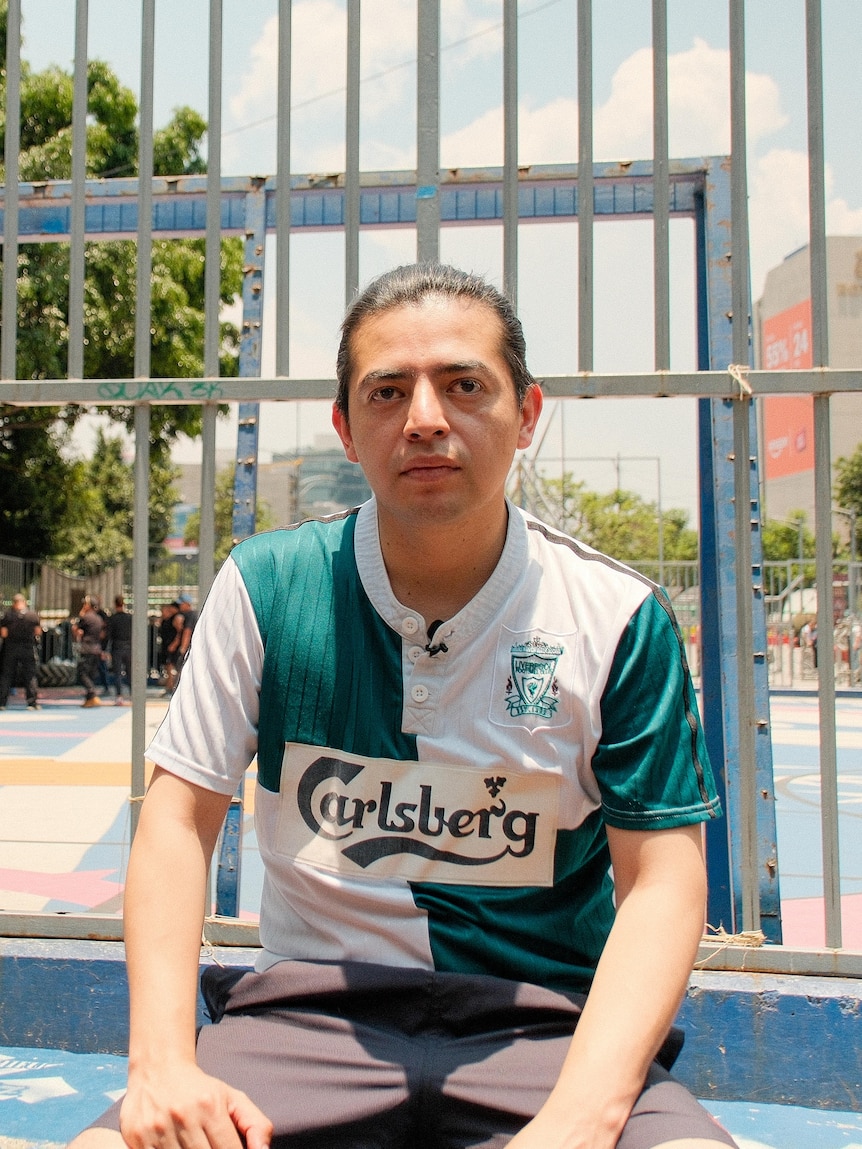
“No-one can afford those prices,” Miguel Medina, a resident of Mexico City, said.
“Just the rich people.”
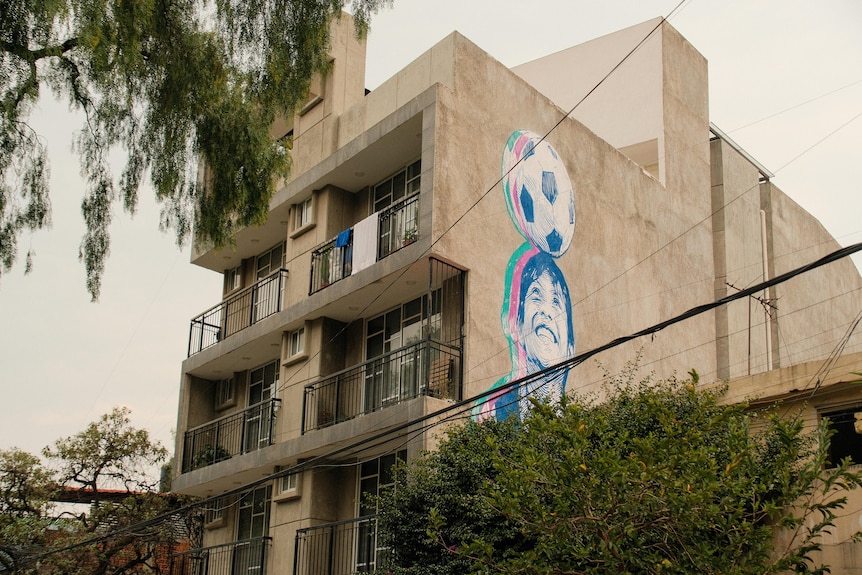
World Cup excitement is visible in Mexico City, but prices are out of reach of many. (ABC News: Hugo Hodge)
Mr Medina’s father played professional soccer in Mexico’s second division, and he has been an avid fan of the sport since he was a child.
Resale tickets in Mexico are being sold for the equivalent of $4,000, significantly more than the initial release of $530 to $2,600.
A small number of tickets were set aside for about $100, which Mexico’s football federation is in charge of distributing.
Tickets are also inaccessible for many Mexicans because they do not have internet access, Mr Medina said.
“It would have cost two months of [my salary] without spending it on anything else, so it’s not possible,” he said.
“It’s sad because you realise how football is only like a business and it’s not about the passion of the sport.“
Train tickets increase eightfold
On top of a new pricing model, FIFA has also embraced the resale market, launching its own resale platform that charges sellers and buyers an extra 15 per cent on every ticket.
Mr Maduro said FIFA had an incentive for tickets to be resold at “outrageous prices” because it got a commission.
While ticket prices have dominated criticism of the upcoming World Cup, they are just one piece of a larger price puzzle.
Flight costs are up due to the flow-on effects of the Iran war impacting the supply of jet fuel.
Transport and parking costs have also surged.
A return train trip from New York City’s Penn Station to the New York New Jersey Stadium will cost $140, nearly eight times the cost of the regular fare.
The journey takes about 15 minutes each way.
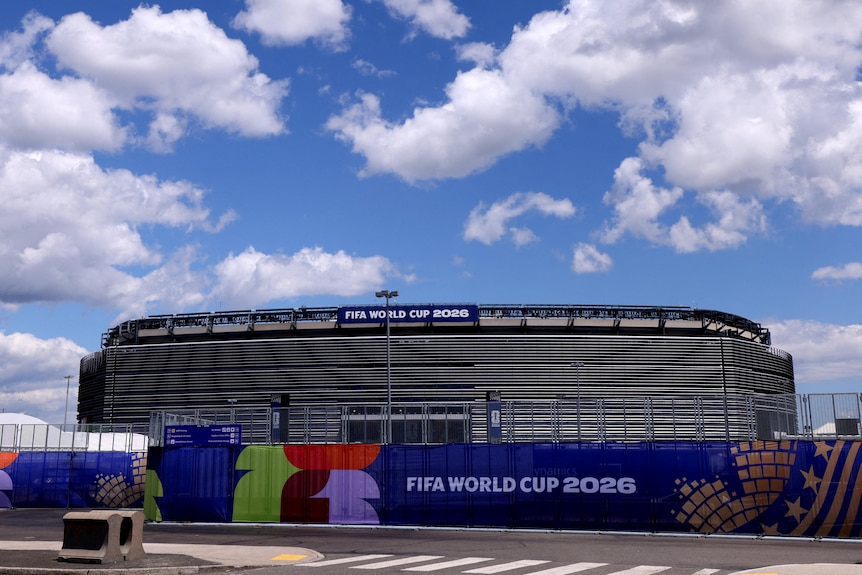
Train tickets from Manhattan to the New York New Jersey Stadium will cost almost eight times the usual fare during the tournament. (Reuters: Mike Segar)
Hotels have also hiked prices across the 16 host cities.
But the tourism boom has not materialised as promised.
The American Hotel & Lodging Association (AHLA), which represents 30,000 members, released a report last month that said 80 per cent of hotels had bookings tracking below initial forecasts.
FIFA had booked rooms years in advance across multiple cities, only to cancel thousands of reservations, which the AHLA said “created an artificial early demand signal”.
Fans who were fortunate enough to win lottery tickets from their countries’ football federations, which cost about $100, will have comparatively affordable experiences.
Some host cities have also looked to address the high costs for a lucky few.
In New York, Mayor Zohran Mamdani announced last month that the city had secured 1,000 tickets. They were made available to residents only, for the equivalent of about $70.
“To put that into perspective, that is five lattes in New York City,” the mayor joked.
For many, though, the World Cup presents opportunity and excitement.
Mexico City street vendor Alexis Gonzalez said he was hopeful tourists would take in the food and atmosphere and give the local economy a boost.
Resident Karen Baltazar agreed and said the government had improved her neighbourhood because of the tournament.
“Public lighting is better, the sidewalks have been renovated, the place looks better and the many public services have been improved as well,” she said.
Will you be in North America for the FIFA World Cup? We want to hear from you.
Additional reporting by Hugo Hodge in Mexico City
dan