


Washington has been working to elevate ties with Hanoi to a “strategic” partnership from one that for the past decade has been called “comprehensive,” although Vietnam has been cautious, given the risk of antagonising China, a giant neighbour that supplies key inputs for its vital export trade, or Russia, another traditional partner.
Biden told a fundraiser in Maine on July 28 that he got a call from the “head of Vietnam” who “desperately wants to meet with me when I go to the G20”, referring his plans to travel to India for a summit of the Group of 20 due to be held in New Delhi on September 9-10.
Advertisement
“He wants to elevate us to a major partner, along with Russia and China,” Biden said then, in what analysts say was a reference to the chief of Vietnam’s ruling Communist Party Nguyen Phu Trong, who the US president spoke with by phone in March.
Officials have not said what the closer relationship might entail, but experts say it could include increased military cooperation and US weapons supplies.
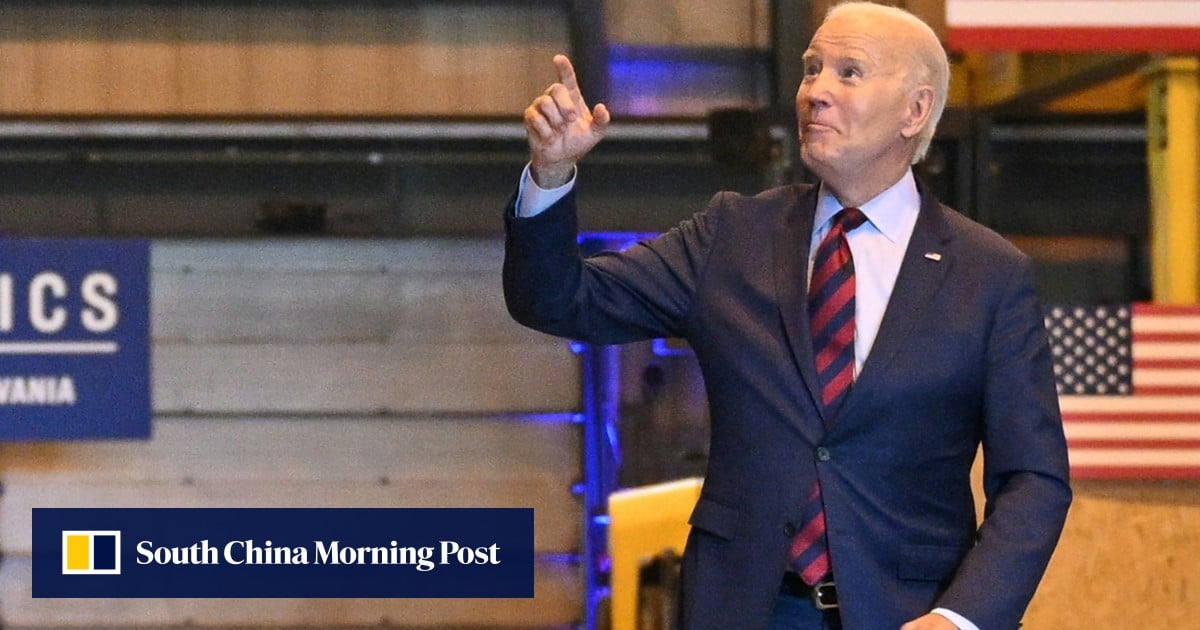
“I’m going to be going to Vietnam shortly because Vietnam wants to change our relationship and become a partner,” Biden said during his Tuesday remarks in New Mexico.
“We find ourselves in a situation where all these changes around the world are taking place at a time we have an opportunity … to change the dynamic,” he added.
Advertisement
Washington and US defence firms have openly said they want to bolster military supplies to Vietnam – so far largely limited to coastguard ships and training aircraft – as the country seeks to diversify away from Russia, which remains its main supplier.
We find ourselves in a situation where all these changes around the world are taking place at a time we have an opportunity … to change the dynamic US President Joe Biden
Military deals with the US face potential hurdles, however, including the possibility of their being held up by US lawmakers critical of Vietnam’s human rights record.
Advertisement
The South China Sea, the long-time centre of tensions between China and Vietnam, is seen as a powder keg, and many fear a miscalculation or accident could ignite a military conflict.
Analysts say Hanoi may be more reluctant to elevate relations with Washington, wary of upsetting Beijing despite rival claims in the South China Sea.
The United States has no territorial claim over the waters, but has persisted in conducting its own patrols there, angering Beijing.
Advertisement
Washington says this is to ensure what it terms “freedom of navigation” in the sea, through which trillions of dollars in trade passes annually.
Additional reporting by Agence France-Presse