


With higher fuel prices impacting almost every aspect of daily life, community sport clubs are calling for financial relief as players skip games and training to save money.
Clubs across multiple codes in Western Australia are reporting feeling the pinch, particularly in travel-intensive sports and regional competitions.
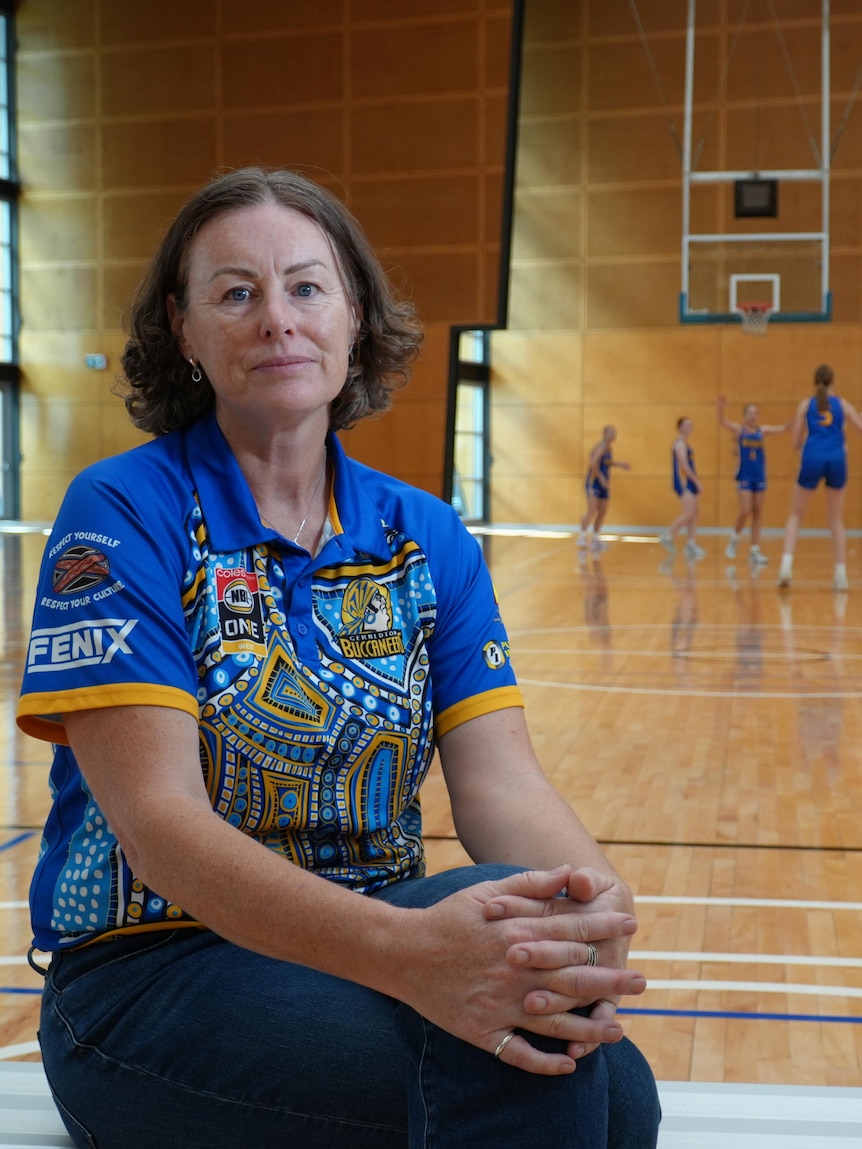
That’s the case for Lois Garner’s fifteen-year-old daughter, who plays in a state basketball team.
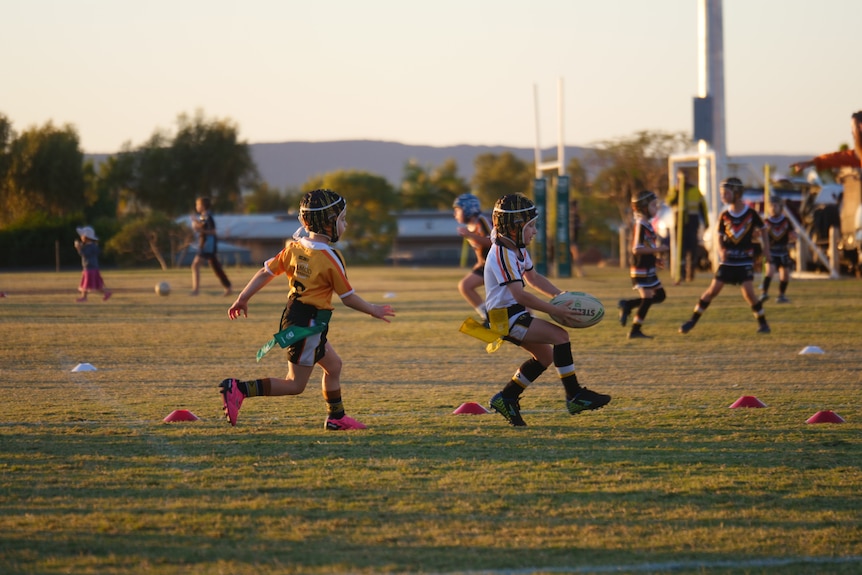
Regional sport is being hit the hardest. (ABC News: Charlie Mills)
She primarily trains in her home town of Geraldton but is required to attend team training sessions in Perth every few weeks — an 800 kilometre round trip.
“The fuel crisis has added a considerable amount to our trips, I mean it used to be probably about $100 each way and now we’re looking at least $150 each way so the return trip being about $300 at a minimum.”
“All up sort of $500 [per training session] in terms of accommodation, food, fuel, at a minimum.”
Loading…
She expected airfares to nationals to similarly be more expensive than previous years.
“Look, it is stressful,” she said.
“It’s just a matter of seeing where money can be saved and where I can maximise income, and other than that, budget well.”
Long distance travel
Equestrian WA chief executive Rob Kennedy said elevated fuel prices hit horse riders “straight away”.
“Not only the prices themselves, and the distance they have to travel, but a lot of them are towing at least 3,500 kg with them with the horses and the floats,” he said.
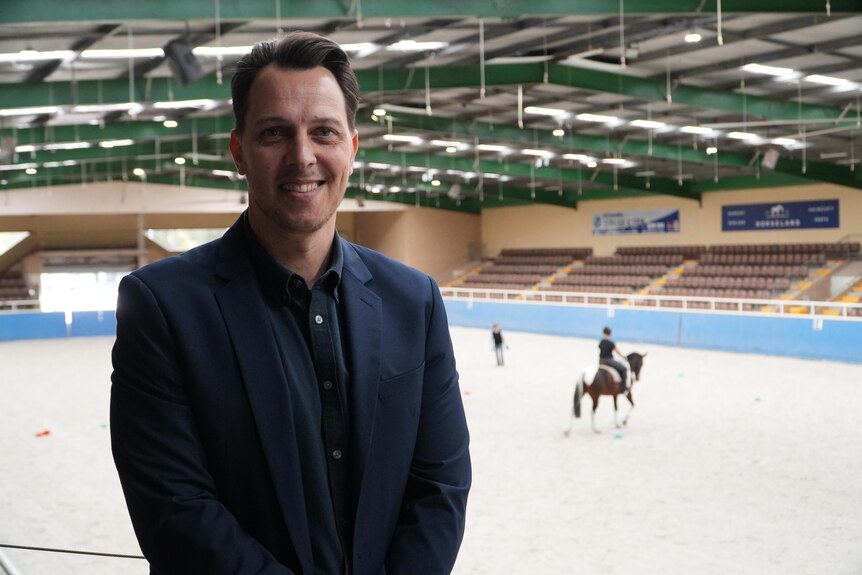
Rob Kennedy says horse riders have been hit hard by rising fuel prices. (ABC News: Samantha Goerling)
The number of competitors at events had plummeted, with a recent show jumping event near Yallingup, a three-hour drive south of Perth, drawing half its usual number of competitors.
Several volunteers helping to run the event had also asked for financial support.
“It shouldn’t be hitting them in the back pocket, so we’re taking on that and absorbing those costs at the moment, but there’s only so long that we can do that for as well,” Mr Kennedy said.
Events cancelled
Troy Kirkham, the head of WA’s peak body for community sports SportWest said participation is down across the board, and in some cases, events were being wound back.
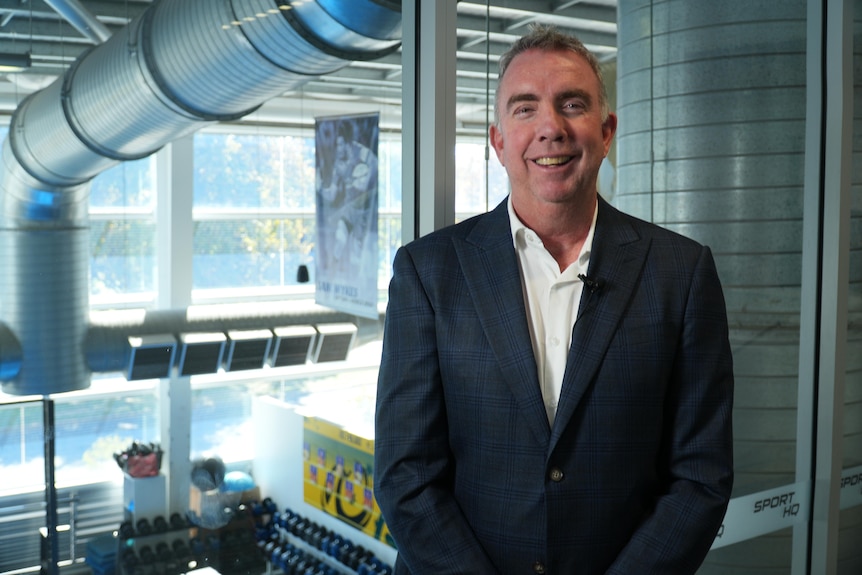
SportWest chief executive Troy Kirkham says keeping sports accessible is a priority. (ABC News: Samantha Goerling)
“Particularly sports like motorsport,” he said.
“We don’t want those costs to then be passed on to participants, which then creates an opportunity where people are missing out on sport because they simply can’t afford it,” he said.
“When it starts to become an access and equity point of view, that’s a real concern for us.”
Mr Kirkham called on the government to open up financial assistance.
“How do we put support packages in place for volunteers and the workforce within the sector?” he said.
“How do we create greater flexibility around the funding that already exists so that it can be used to help offset travel costs?”
He called on local governments to make buses available to travelling sporting teams, particularly in regional areas.
Minister for Sport and Recreation, Rita Saffioti said supporting Western Australians with cost-of-living pressures was a key priority.
“We’ll have more to say in the upcoming state budget,” she said.
For now, some sports are taking matters into their own hands.
Small country football clubs with limited numbers often pay players from further afield to travel and play.
Country Football WA said it had increased the cap payable to travelling players by 33 per cent to ensure small clubs can continue to field a team.
dan