


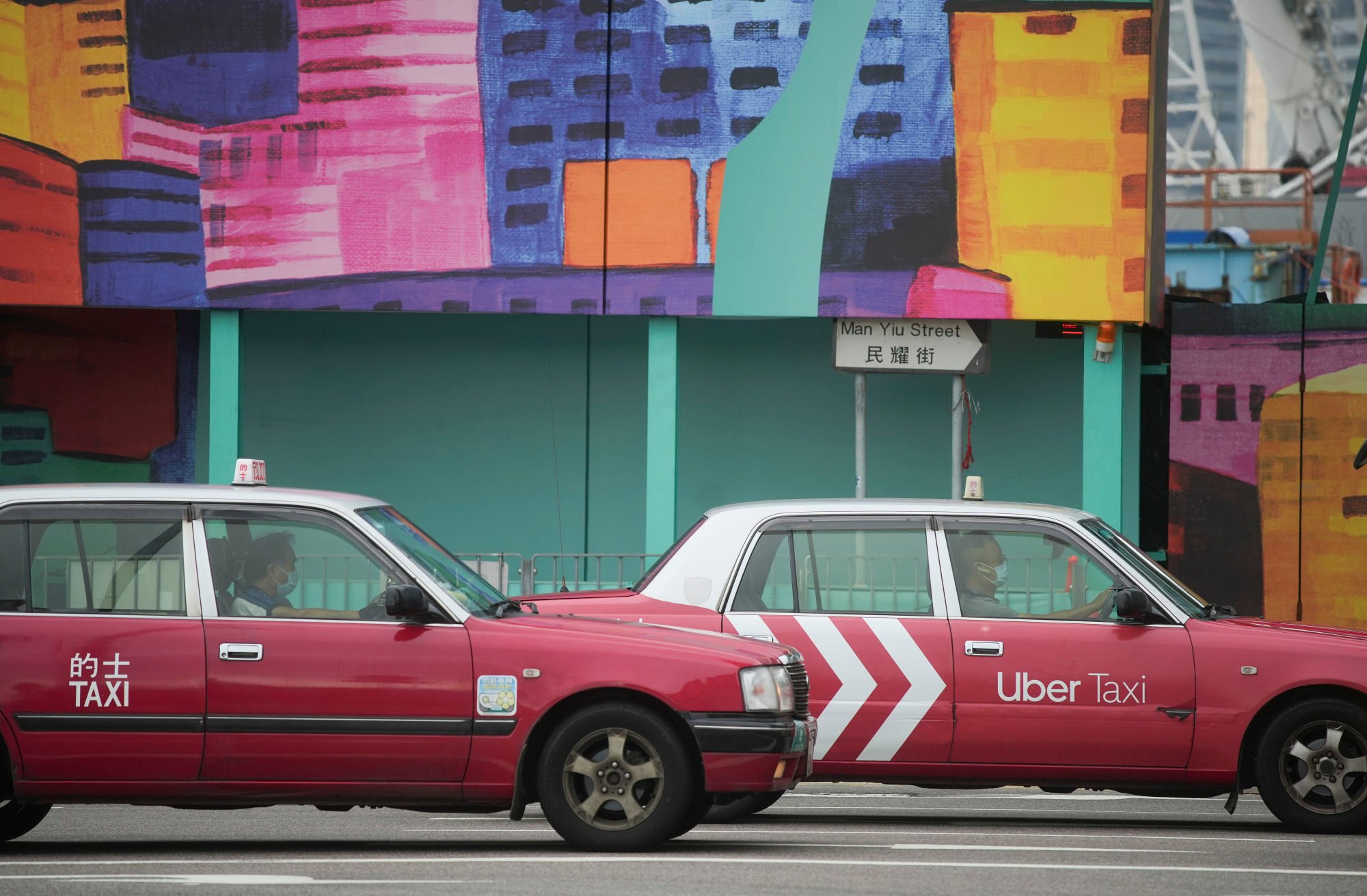

“We will also continue to explore strategic directions for improving personalised point-to-point transport services such as ride-hailing services, taxis and licenced vehicles to meet citizens’ demands,” it said.
It is illegal for drivers of private vehicles in Hong Kong to accept paid customers without a hire-car permit. Ride-hailing platforms such as Uber are not regulated.
The bureau said the Transport Department would conduct a study on commuter needs and changes later this year to help inform any proposed regulatory regime.
The study was expected to be completed within a year, it added.
“We will assess the types and number of vehicles that can provide services through the platforms under the future regulatory proposals, as well as the relevant licensing requirements for the platforms and drivers,” the bureau wrote.
The bureau proposed suspending the licences and registration of vehicles involved in illegal ride-hailing services, as well as impounding the relevant vehicles.
The move would cover vehicles involved in such cases where authorities had failed to identify and prosecute the drivers, plugging an existing loophole.
It also called for a minimum driving licence suspension period for those convicted of offering such services.
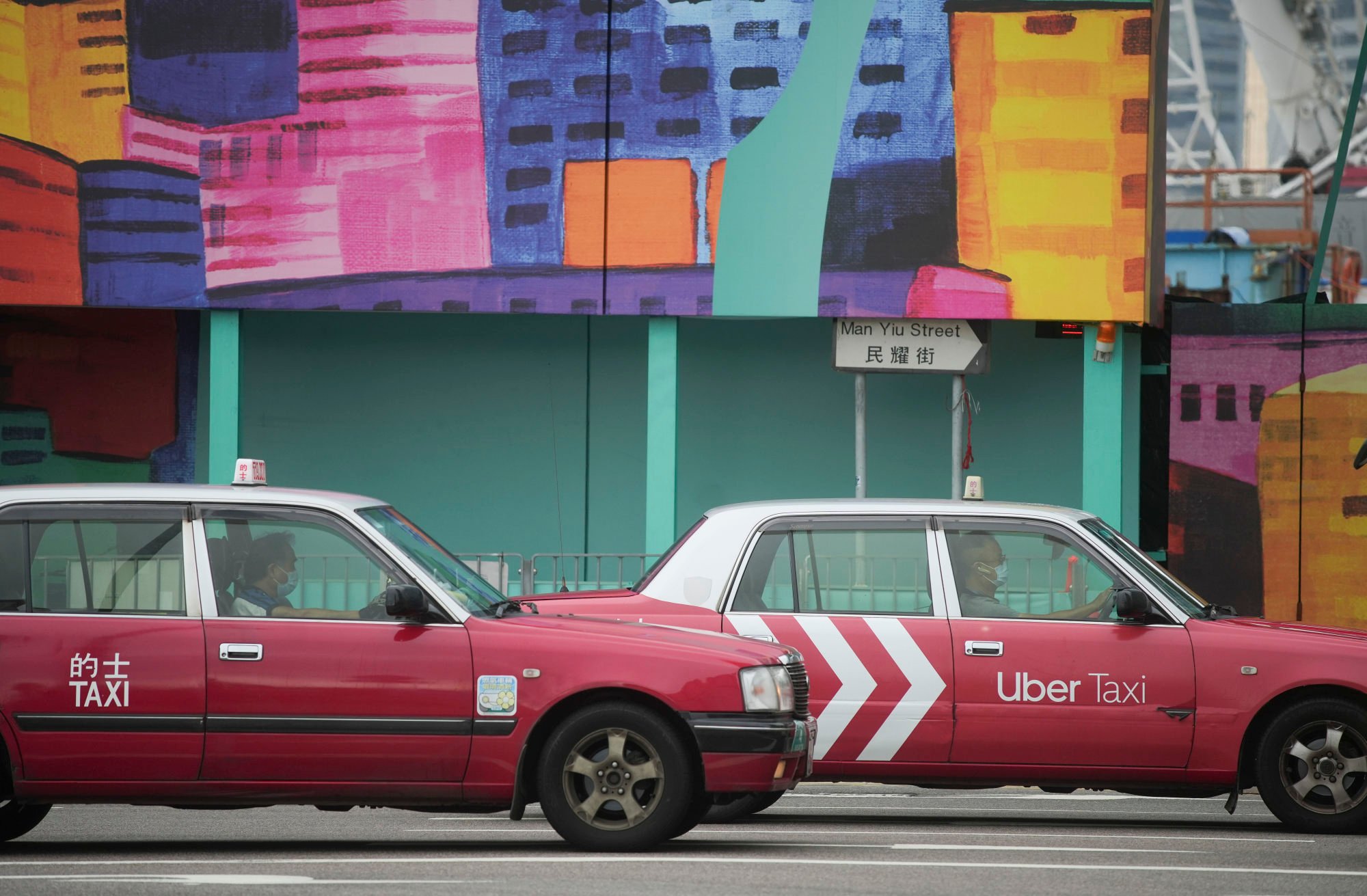
If the proposals are approved, it will mark the second time authorities have strengthened penalties for illegal ride-hailing services since 2023.
“We will work with Hong Kong police and the Department of Justice to study the details of the new rules,” it said.
The bureau stressed that proposed regulations for ride-hailing services were not intended to force passengers to switch transport options, noting such a move could contribute to existing traffic levels.
The government needed to control the number of vehicles providing point-to-point transport services, as consider the service quality of such options, it added.
Transport authorities also said they would assess the impact of next year’s launch of premium taxi fleets on the situation.
“We suggest regulating online ride-hailing platforms in Hong Kong by means of using licensing and listing out relevant licensing conditions in the legislation,” the bureau wrote.
“With the continuous improvement of taxi service quality, residents can rest assured that they can use various point-to-point transport services.”
Lawmakers have appealed to the government to relax hire-car permit rules and increase the licence quota if the proposed regulation mandated a requirement for drivers on ride-hailing platforms such as Uber to possess such licences.
04:41
Where do drivers stand in Hong Kong’s Uber vs taxi battle?
Where do drivers stand in Hong Kong’s Uber vs taxi battle?
Authorities said they were not considering an increase in the number of permits at present, citing a need to control the number of vehicles on the road.
But legislator Gary Zhang Xinyu said earlier on Monday that the government had to increase the amount of private hire-car permits available if it went ahead with the requirements.
He highlighted the size of the market for online ride-hailing and the huge demand for the service.
The government at present has a quota of 1,500 hire-car permits.
Lawmaker Ben Chan Han-pan brushed aside concerns that any crackdowns on ride-hailing platforms such as Uber would damage the city’s competitiveness.
He said that “the taxi service is expected to improve in the near future” as premium taxi fleets launch operations by the middle of next year.
Uber drivers told the Post that the rules were “unfair” without raising the cap on the number of permits, highlighting the difficulty of obtaining one and saying that some could have to stop working if the government pushed ahead with proposed regulations.
There are at present five types of hire-car permits, which cover services for hotels, tours, private limousines, private cross-border limousines and regular private operators.
Government figures show only 1,115 private service hire-car permits were issued by 2021.
Uber statistics show more than 216,000 drivers were registered on Uber and its Uber Taxi platform by 2021.
The Legislative Council is scheduled to discuss the regulatory framework on Friday in a panel meeting.