


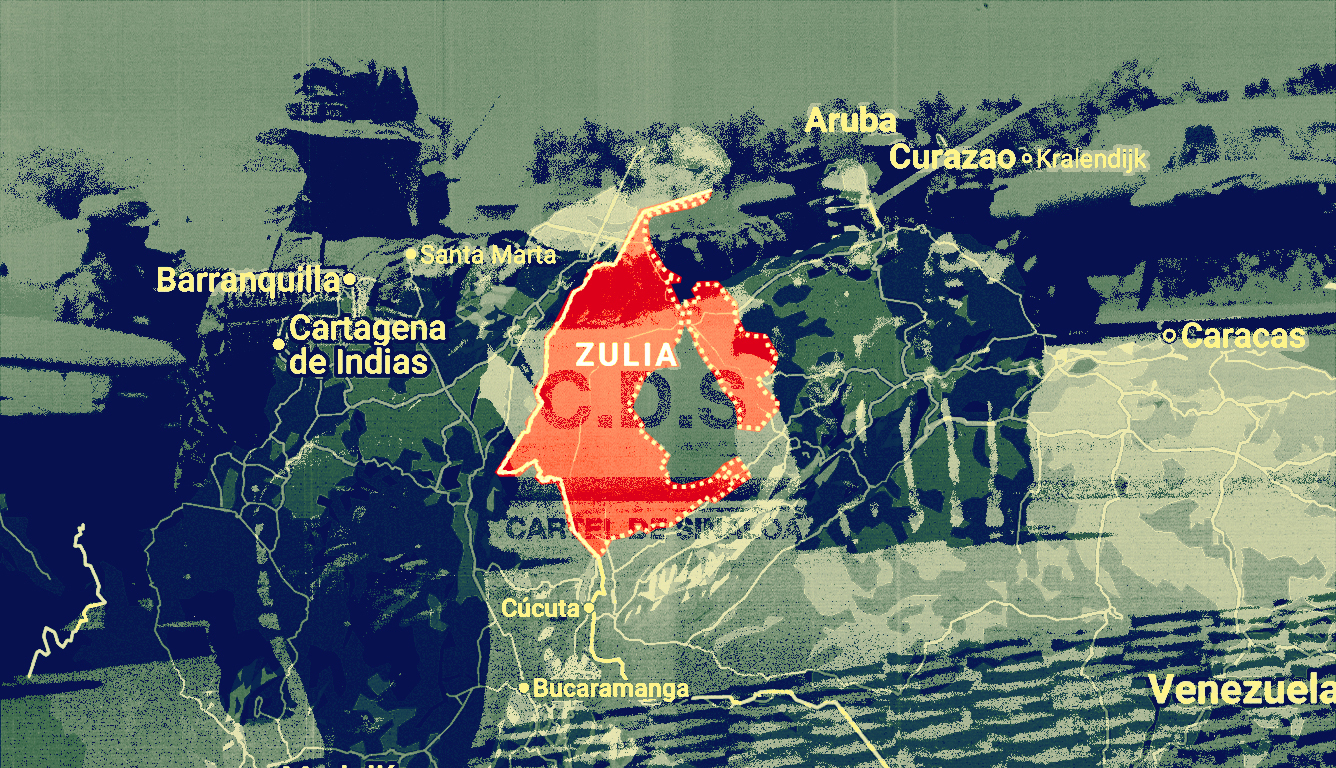
Major Mexican drug trafficking networks that used to have a strong presence in the state of Zulia in northwest Venezuela have left as political shifts are aiding a change in criminal control.
Zulia is a key corridor for Colombian cocaine destined for international markets. The town of San Felipe was once so awash with brokers from Mexico’s most famous crime group — the Sinaloa Cartel — that it gained the nickname “Sinaloa.”
“But not now,” a local social leader told InSight Crime.
Mexican traffickers have been retreating from Zulia as the regime of President Nicolás Maduro has consolidated control over the country’s organized crime landscape. In an increasingly competitive criminal playing field, the government appears to be favoring local criminal actors.
How San Felipe Became ‘Sinaloa’
When InSight Crime visited Zulia in 2020, the presence of Mexican emissaries was clear. Drug ballads known as narcocorridos blared from the speakers of SUVs. The distinctive Mexican accents of the singers were echoed by speakers on the street.
Mexican groups were drawn by Zulia’s importance to regional drug trafficking dynamics. Its proximity to the coca-rich region of Catatumbo in Colombia means a significant portion of cocaine produced on the other side of the border makes its way to Zulia. Systematic corruption on the Venezuelan side ensures that drugs can pass freely through the country and be dispatched to the Caribbean and Central America as long as security force officials get their cut.
But two years later, social leaders, journalists, and other residents consulted by InSight Crime say that the Sinaloa Cartel’s emissaries have either left Zulia or are at least keeping a far lower profile than before.
What Has Changed in Venezuela?
Sinaloa Cartel representatives can sometimes leave a trafficking territory after having solidified relationships with local criminals who work with them, independent security consultant David Saucedo told InSight Crime.
“In the end, the Sinaloa Cartel becomes nothing more than a buyer,” he said.
However, in some cases, Venezuelan authorities have actively sought to disrupt the Sinaloa Cartel’s operations in Venezuela. Soldiers arrested an individual they identified as a member of the Mexican group in the border state of Apure in April 2021, and in September of the following year, the armed forces in Zulia seized 2.6 tons of cocaine that the Venezuelan military claimed belonged to the Sinaloans.
Since those operations, Venezuela’s criminal landscape has been more clearly divided into groups that are either allies or enemies of the government. Maduro and other high-ranking officials often favor local criminal actors who they can more easily influence or impact, some of whom even provide an extra layer of protection against potential dissent or function as tools of oppression against political opponents.
It is most likely a combination of factors, including changes in local and national dynamics, that are behind the apparent withdrawal of brokers linked to the Sinaloa Cartel.
Drug trafficking in Venezuela is dependent on corruption, with trafficking networks paying off security forces and political actors to be able to operate. As such, it is also possible that in Zulia, the Sinaloa Cartel-linked emissaries failed to pay the right officials, or that officials demanded so much protection money that the Mexicans decided it was no longer an economically viable route.
Wider Trafficking Dynamics Have Local Impact
Around the same time Mexican traffickers began to leave Zulia, there were also reports of the disappearance of Mexican brokers from Catatumbo, Colombia, the source of the cocaine that moves through the state. The exodus of buyers in Catatumbo between 2021 and 2023 left many coca growers with no one to sell their product to. Some reports suggested that Mexican drug traffickers had shifted their focus to other parts of Colombia, but intermediaries representing Mexican drug trafficking organizations began returning in late 2023, Colombian newspaper El Espectador reported.
Whatever the reasons for the shift in trafficking dynamics, recent events suggest Mexican brokers are unlikely to return to Venezuela anytime soon.
The US government has linked the Sinaloa Cartel to the Cartel of the Suns, the name given to the state-embedded drug trafficking system that operates in Venezuela, putting connections between any state elements and the Mexican group under a magnifying glass. At the same time, the US military has escalated anti-narcotics operations targeting trafficking from Venezuela to new levels, launching airstrikes against at least nine vessels allegedly carrying drugs in the southern Caribbean that it said left from the Venezuelan coast. Under these conditions, the Sinaloa Cartel and other trafficking networks will likely be turning their attention to safer routes.