


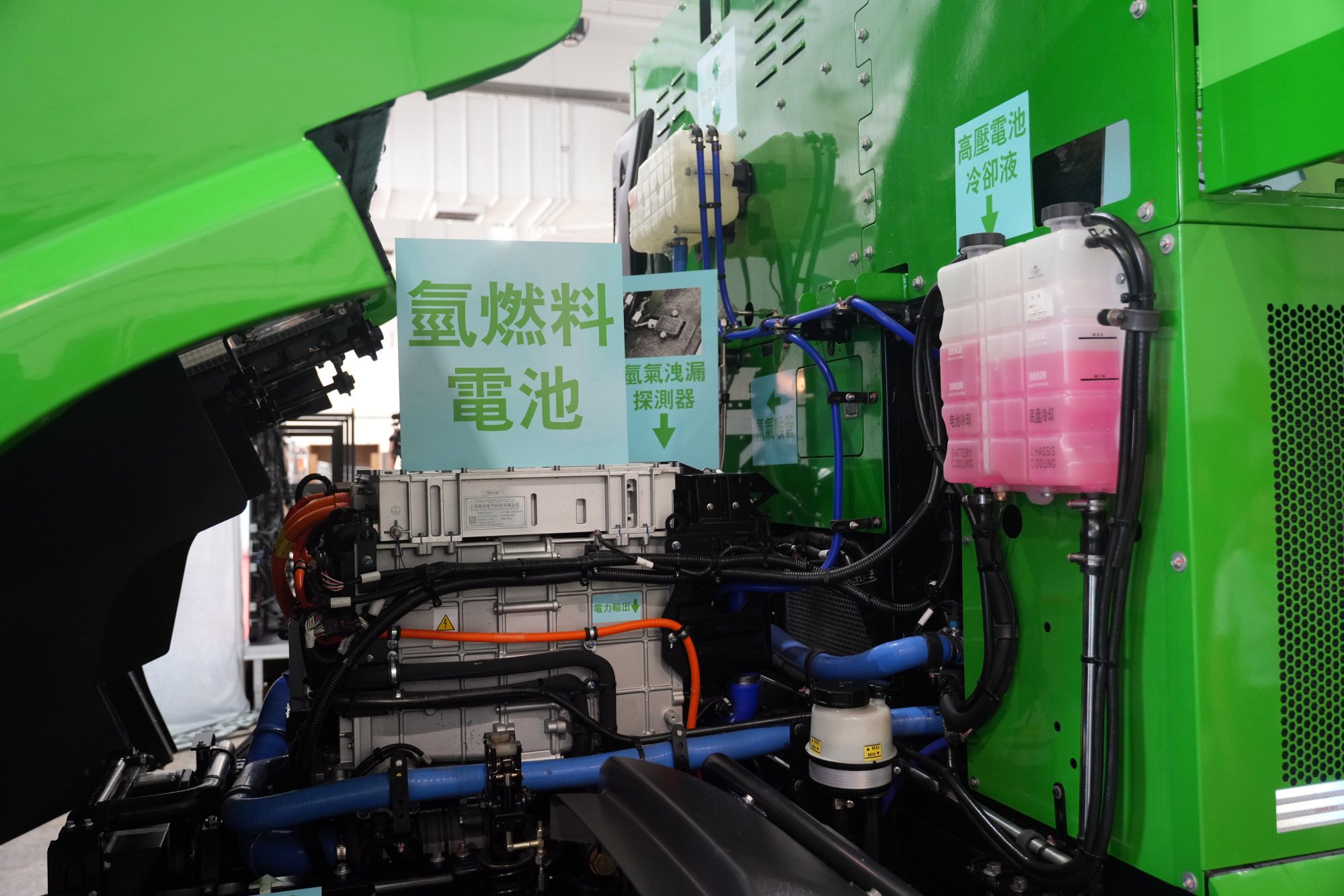
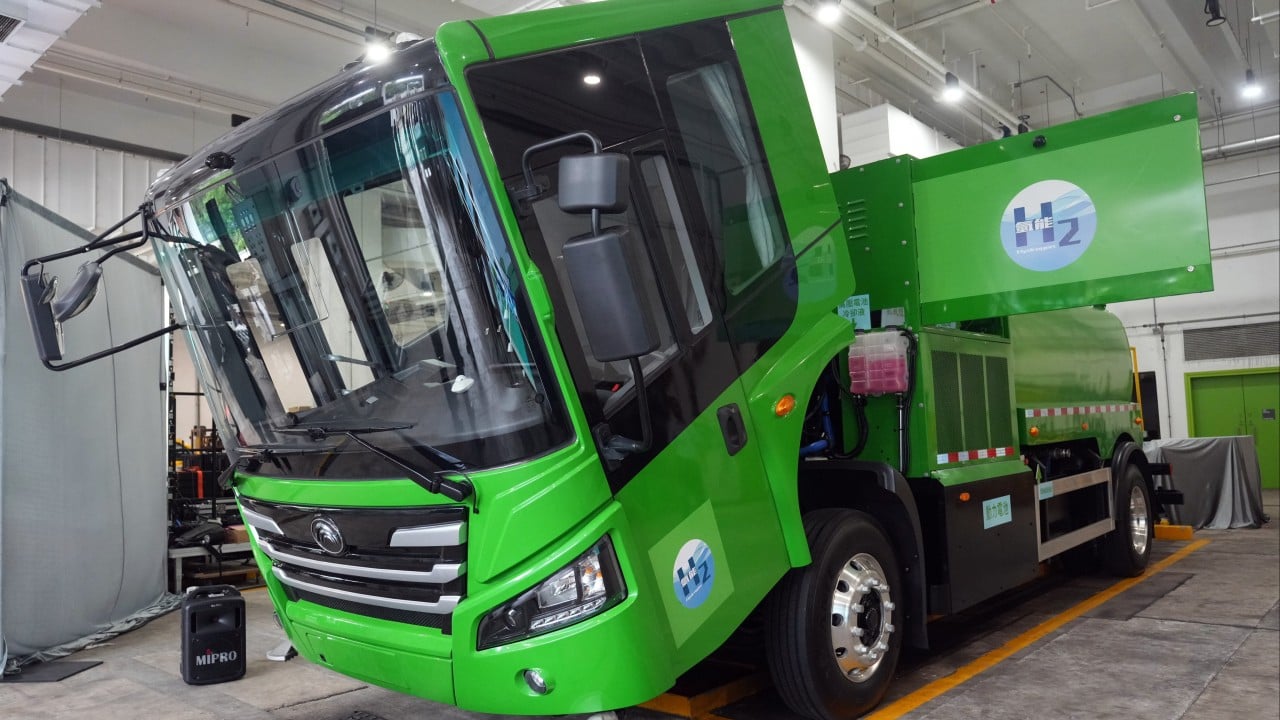
“Our country already has a strong foundation in hydrogen development, which is a key component of our national energy sources,” said Secretary for Environment and Ecology Tse Chin-wan at a press briefing.
“If Hong Kong can seize this opportunity, the city will progress towards its goal of carbon neutrality, develop new quality products and maintain Hong Kong’s international competitiveness.”
Tse added the city should also leverage its unique advantages of “enjoying strong support of the motherland” while being “closely connected to the world” so that Hong Kong could be a touchstone that demonstrates the country’s development of hydrogen energy.
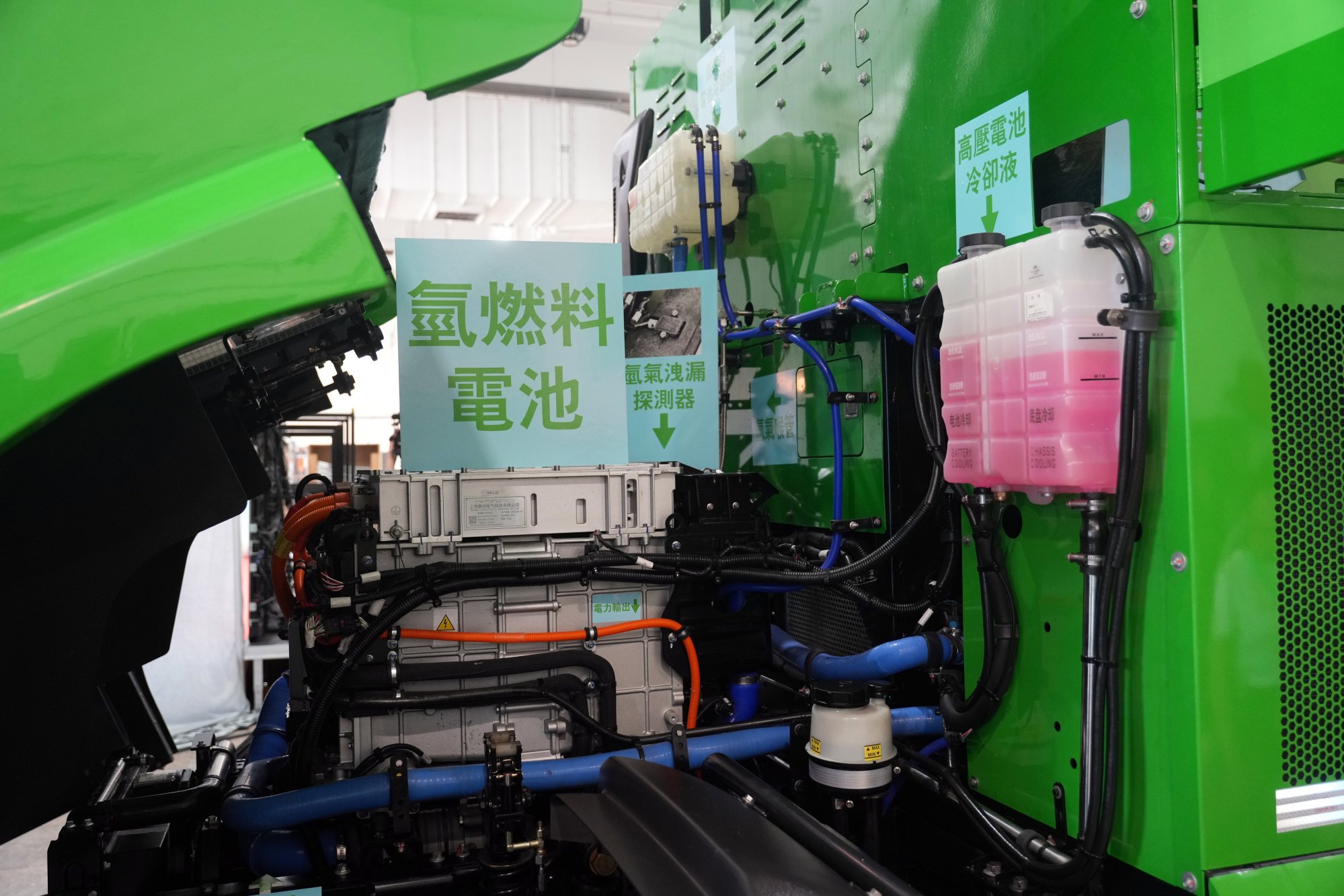
“It’s a little unrealistic for Hong Kong to pursue hydrogen development and usage on its own,” Tse said. “Developments on the mainland have already established a foundation and certain standards in terms of production, storage, refuelling, fuel cells and system developments.”
He noted that, according to its hydrogen energy strategy, the government would consider amending the Gas Safety Ordinance to distinguish hydrogen from other dangerous goods.
It would also submit legislative amendment proposals to the Legislative Council in the first half of 2025 and establish different types of hydrogen energy certification based on international standards before 2027.
Environmental authorities explained that hydrogen energy is a process of converting the gas into mechanical or electrical energy. There are currently three ways of obtaining it, deploying grey, blue and green technologies.
While grey and blue hydrogen is produced from fossil fuels, green hydrogen is produced from renewable energy sources with no carbon emissions.
Tse said that because green hydrogen was expensive, the government had reserved flexibility for the scale and speed of hydrogen energy development when formulating its strategy, to avoid compromising on economic benefits.
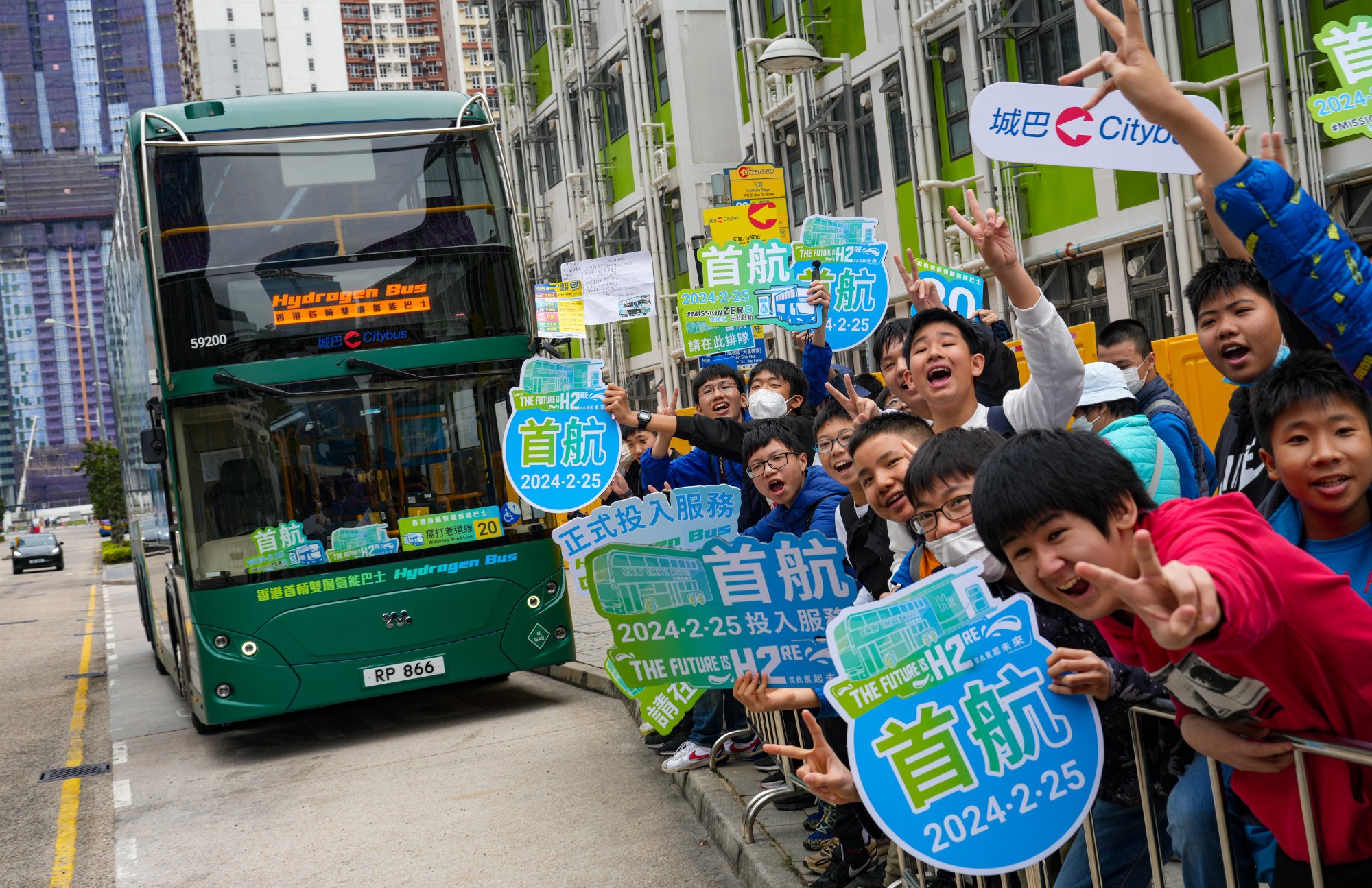
Citybus’ zero-emissions double-decker started operations in February, with the company announcing that it would collaborate with Towngas to build a hydrogen refuelling station at its Wan Chai depot by the end of the year. It also planned to launch at least four more hydrogen buses within the same time frame.
Beijing published a white paper in 2020 to promote the development of a hydrogen energy industry and related technologies, and increase the proportion of hydrogen in the nation’s fuel mix.
Since May last year, Chinese President Xi Jinping has visited at least three provinces and cities, including Sichuan, Jiangxi and Chongqing, to push for the development of the industry.
In a speech delivered in Chongqing this April, he stressed the importance of increasing security in key areas such as energy and speeding up the construction of new energy systems in the nation.