


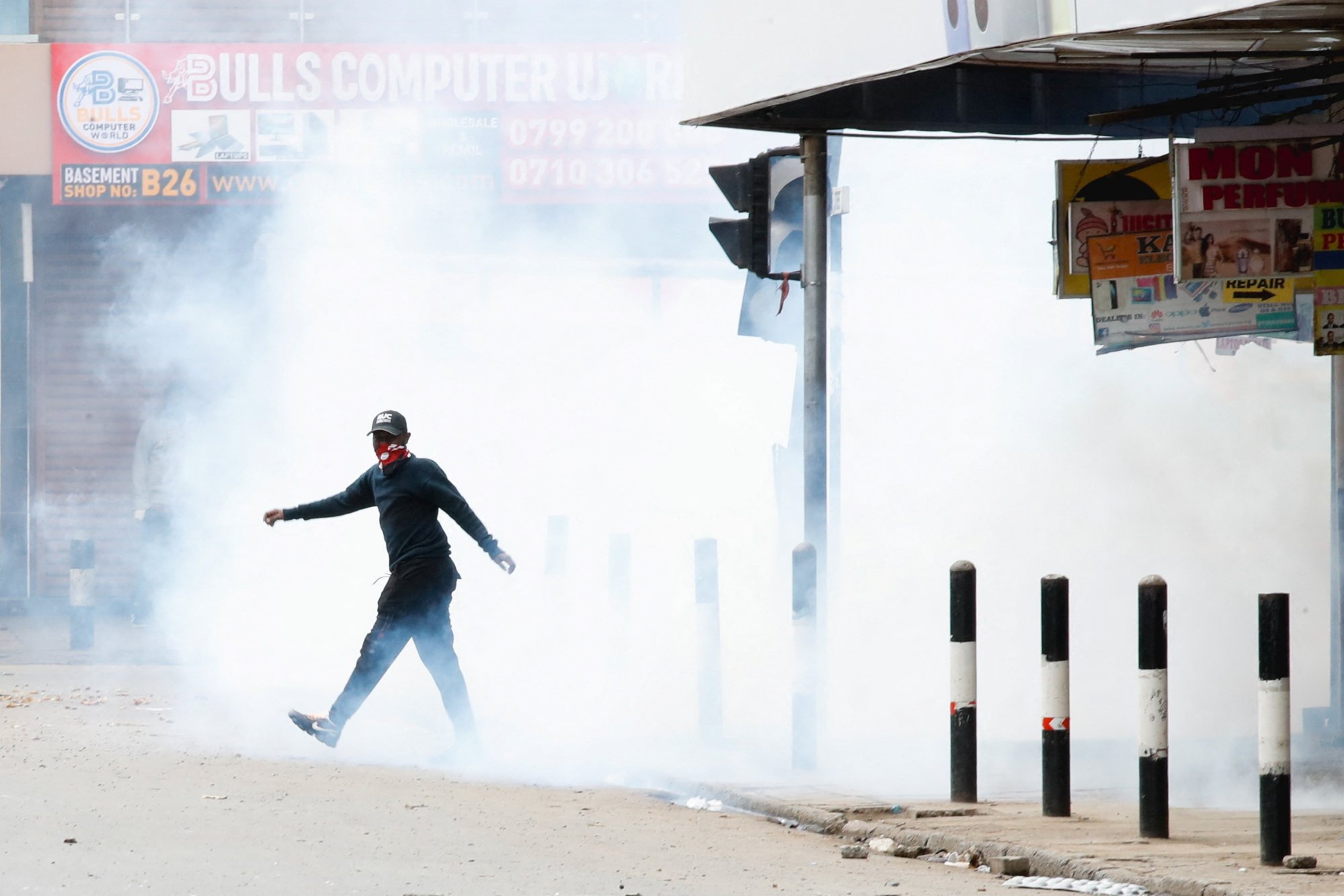
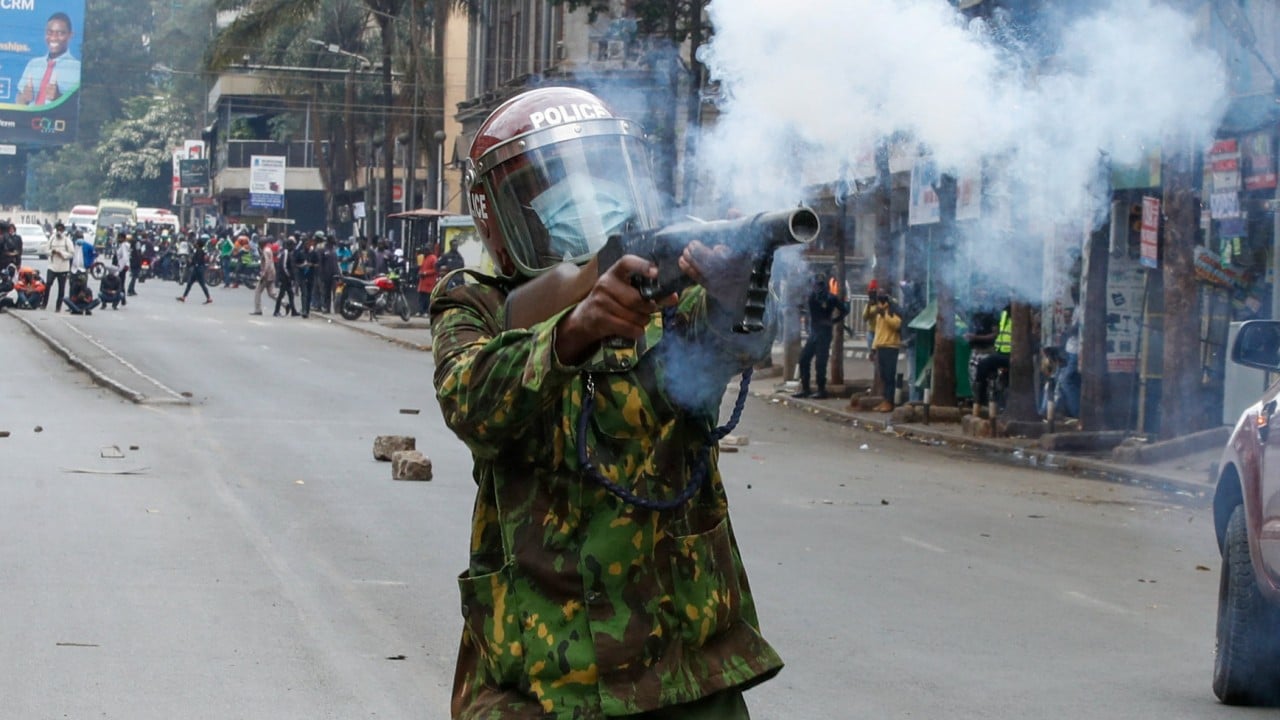
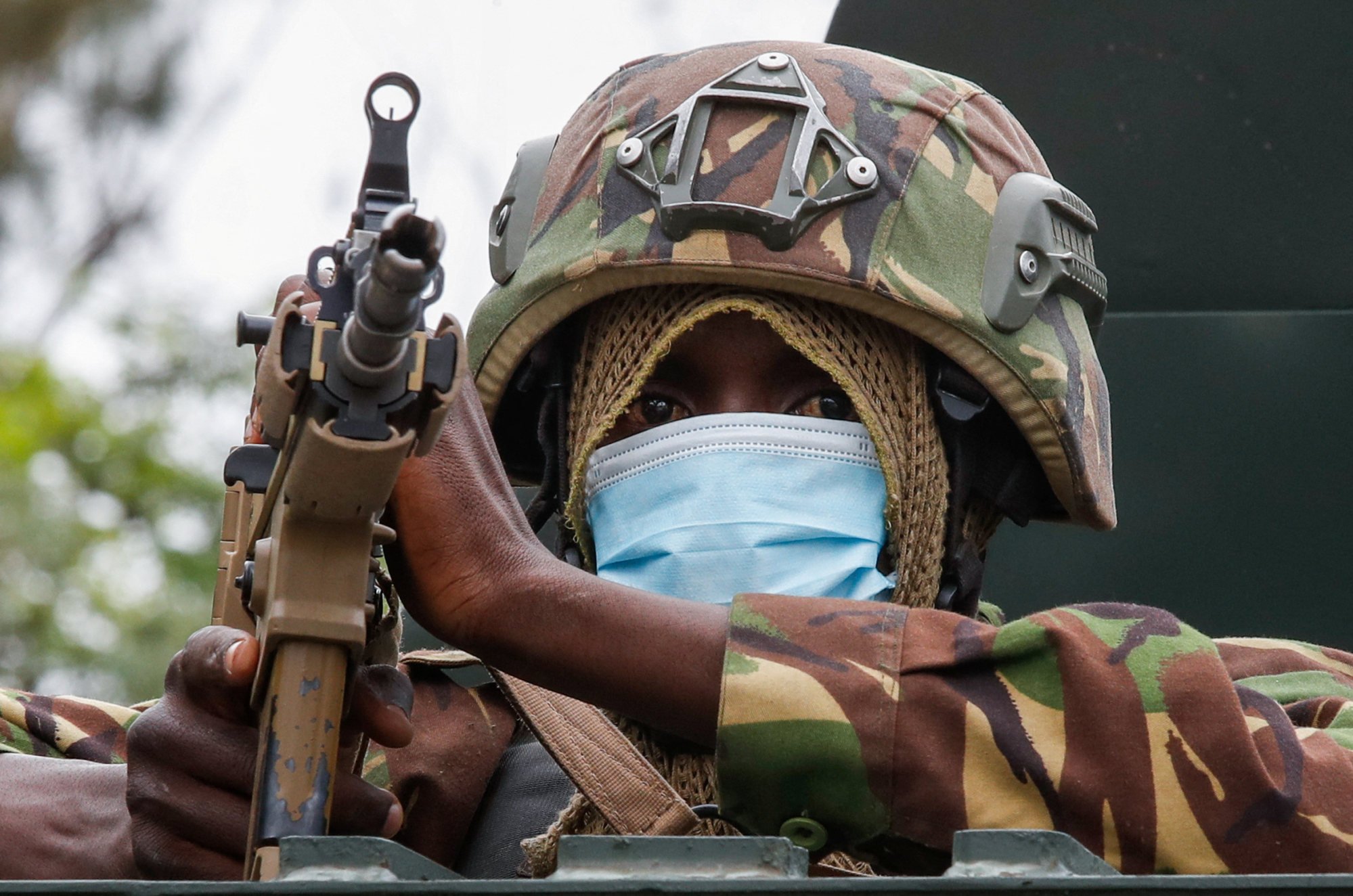
Witnesses saw officers firing tear gas at dozens of protesters in small groups and arresting three people, as local TV showed isolated scuffles in Nairobi.
Many shops remained closed as traders worried about further unrest.
Protesters also rallied in the port city of Mombasa and the opposition bastion of Kisumu, with some blocking roads and lighting bonfires in the lakeside western city.
After dramatic scenes outside parliament on Tuesday saw the partly ablaze complex ransacked by protesters, with police opening fire on them, Ruto made a surprise U-turn on the tax hikes.
He declined to sign the increases into law and withdrew the bill on Wednesday.
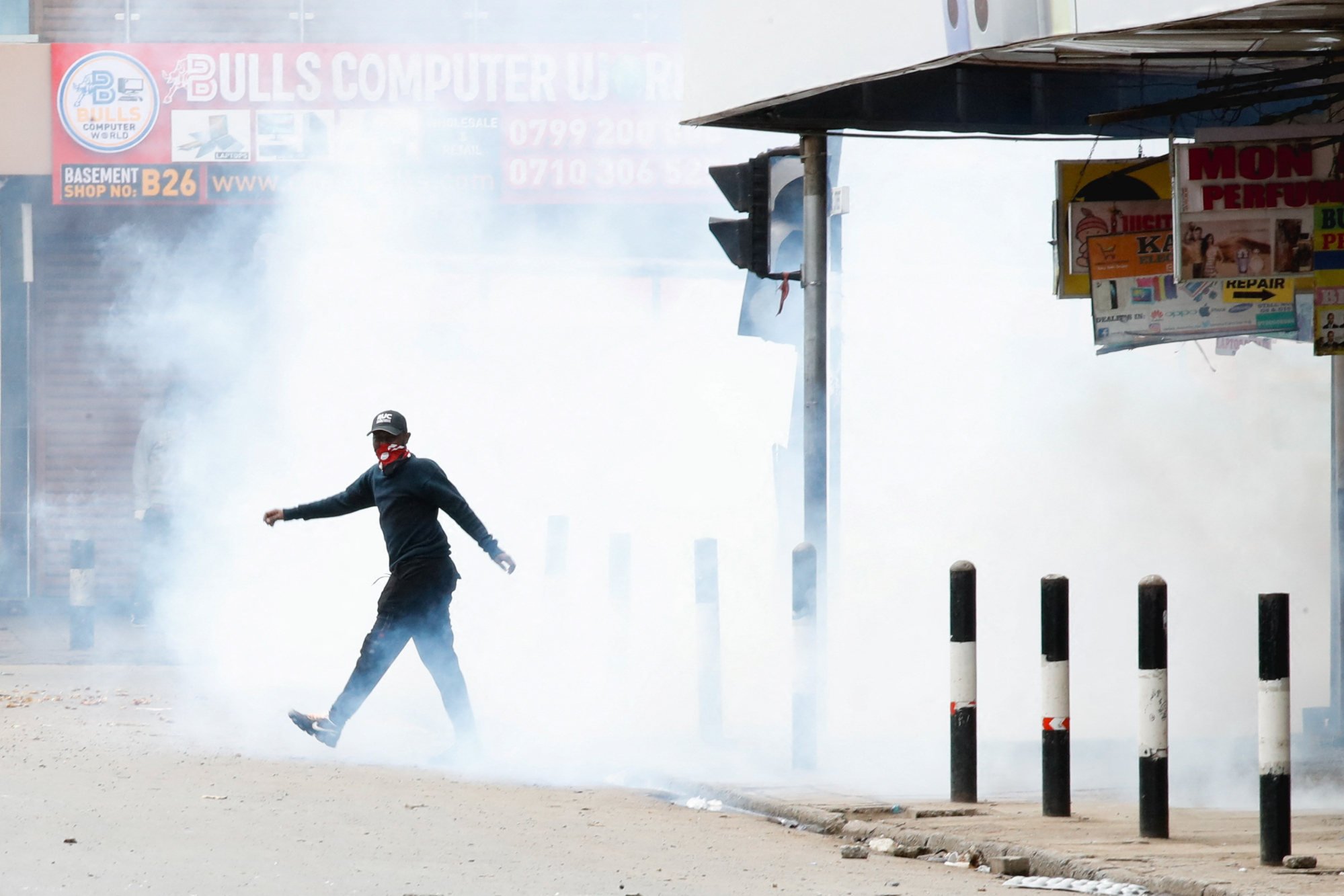
“The people have spoken,” he said, adding that he would seek “engagement with the young people of our nation”.
But protesters said they would still take to the streets on Thursday in memory of those killed in the demonstrations, criticising Ruto’s dramatic reversal as a case of too little, too late.
Prominent protester Hanifa Adan dismissed Ruto’s words as “PR”, pointing out that the Kenyan leader had referred to demonstrators as “criminals” just hours earlier.
Adan said on Wednesday that protesters wearing white would hold a peaceful march, with some planning to bring flowers to honour the victims.
Ivy, a 26-year-old jobseeker, said that Ruto’s about-turn was “a start to changing things.”
“He could have done this earlier without people having to die,” she added.
A state-backed rights group counted 22 dead nationwide – 19 in Nairobi alone – in the aftermath of Tuesday’s protests and vowed an investigation.
“This is the largest number of deaths [in] a single day protest,” said Roseline Odede, chairwoman of the state-funded Kenya National Commission on Human Rights, adding that 300 people were injured across the country.
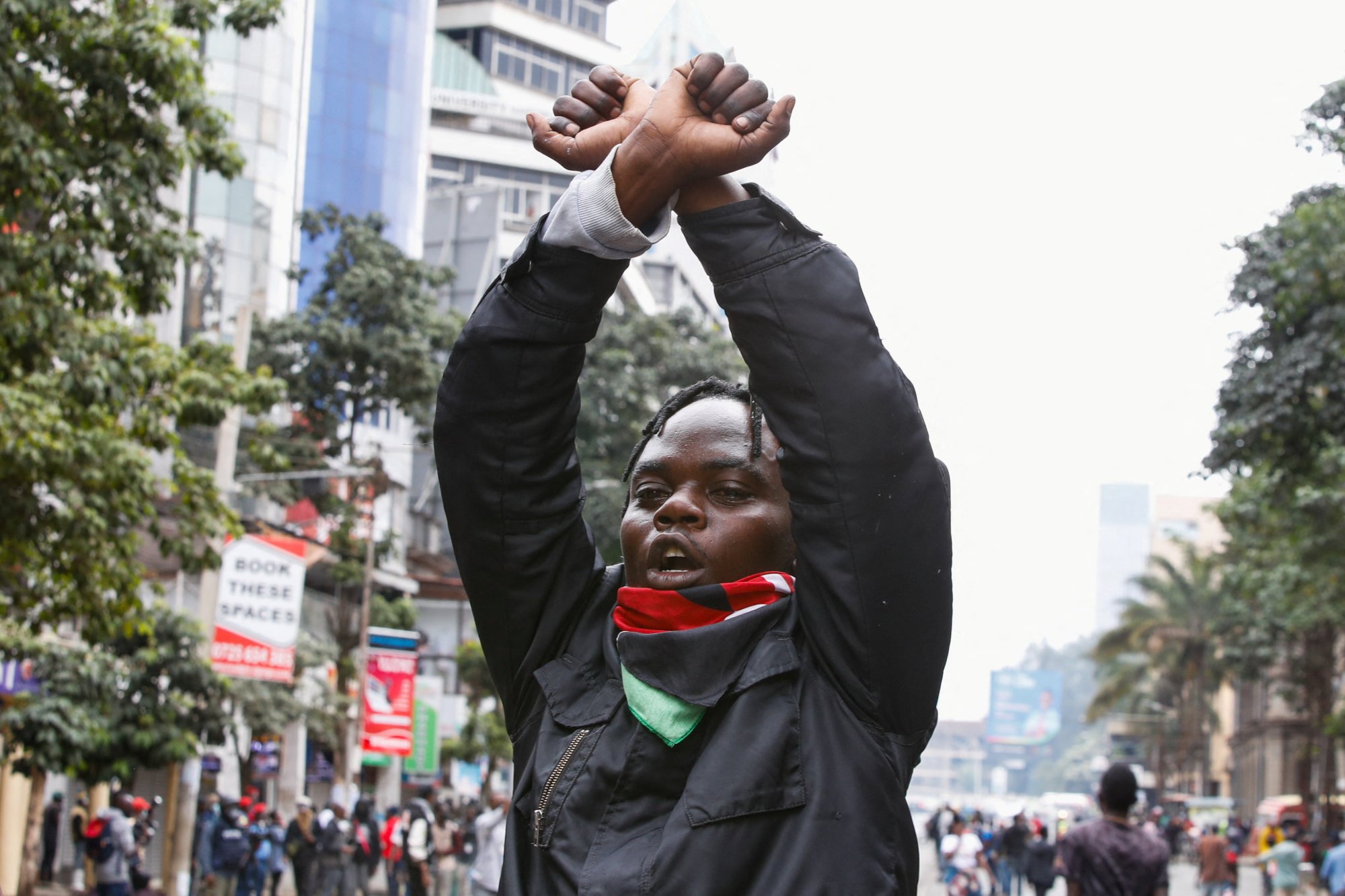
Shops were largely closed in Nairobi’s central business district near parliament early on Thursday, with even the few open establishments pulling down their shutters.
“We cannot take risk. We don’t know what happens next,” said Joe, an employee in a perfume store, as he prepared to head home.
“Why did they have to kill these young people? This bill is not worth people dying,” the 30-year-old said.
“We are in uncharted waters.”
The unrest has alarmed the international community, with Washington calling on Kenya to respect the right to peaceful protest and the UN urging “accountability” for the bloodshed.
Rights watchdogs have accused the authorities of abducting protesters.
The police have not responded to requests for comment.
Ruto had already rolled back some tax measures last week, prompting the treasury to warn of a gaping budget shortfall of 200 billion shillings (US$1.6 billion).
Ruto said on Wednesday that withdrawing the bill would mean a significant hole in funding for development programmes to help farmers and schoolteachers, among others.
The cash-strapped government had said previously that the increases were necessary to service Kenya’s massive debt of some 10 trillion shillings (US$78 billion), equal to roughly 70 per cent of GDP.
Analysts warned that Ruto’s administration faced a tough choice in the weeks ahead.
The government “will now have to find a way to pacify two opposing forces: a populace willing to resort to violence to protect livelihoods, and a macroeconomic trajectory that, bar considerable multilateral support, is heading towards a cliff,” Oxford Economics said in a note.
Ruto’s administration is under pressure from the IMF, which has urged the country to implement fiscal reforms to access crucial funding.