


Hong Kong’s cash-strapped Urban Renewal Authority is reaching out to foreign investors in Singapore and Macau for financial help after recording a HK$3.9 billion (US$499 million) annual deficit, its second year of loss in a row.
The authority’s head also said on Monday that it had decided to issue bonds to raise funds, and had shared the plan and other major projects with local and Macau investors, with a Singapore trip planned on Tuesday to continue the outreach.
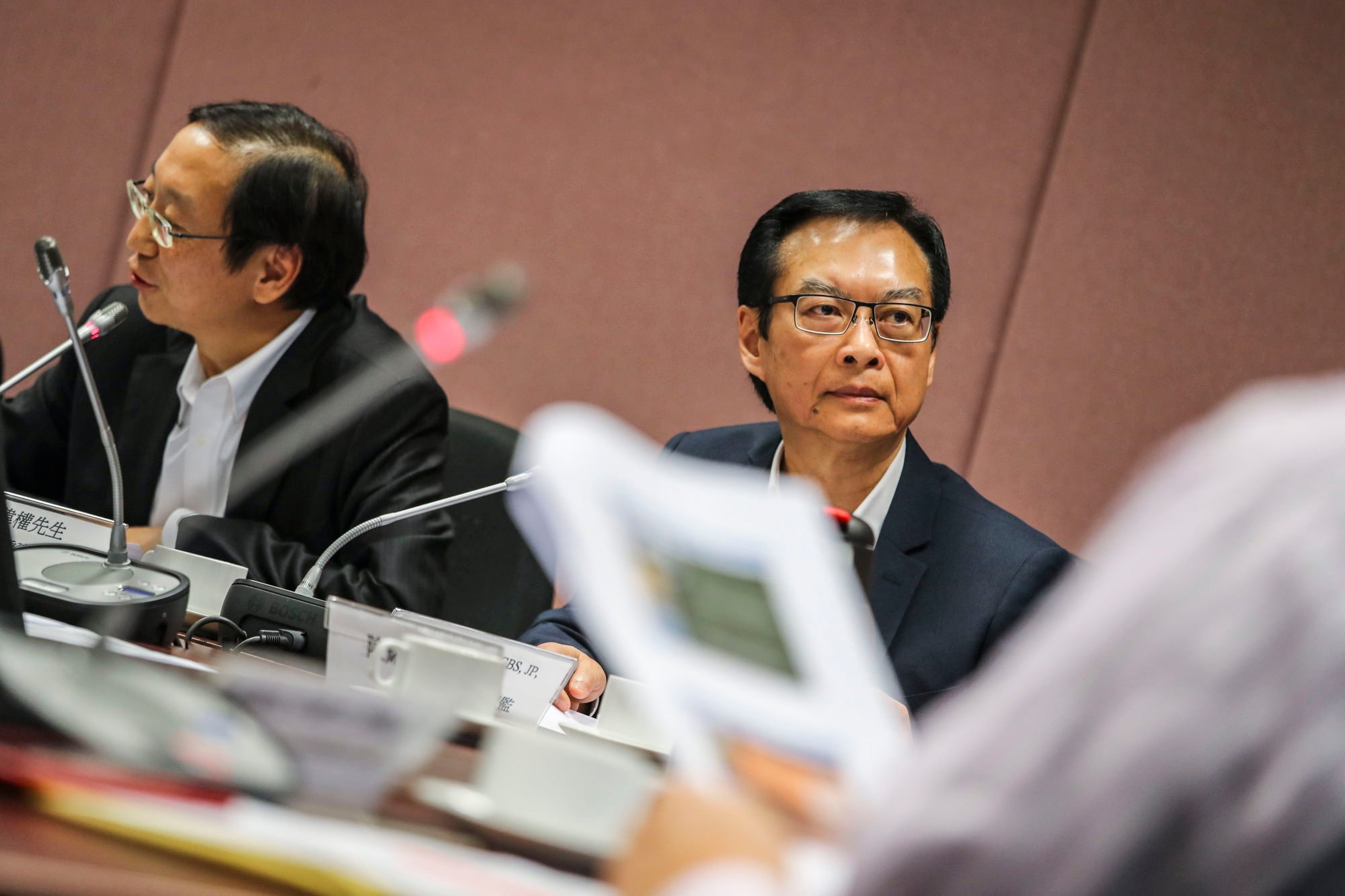
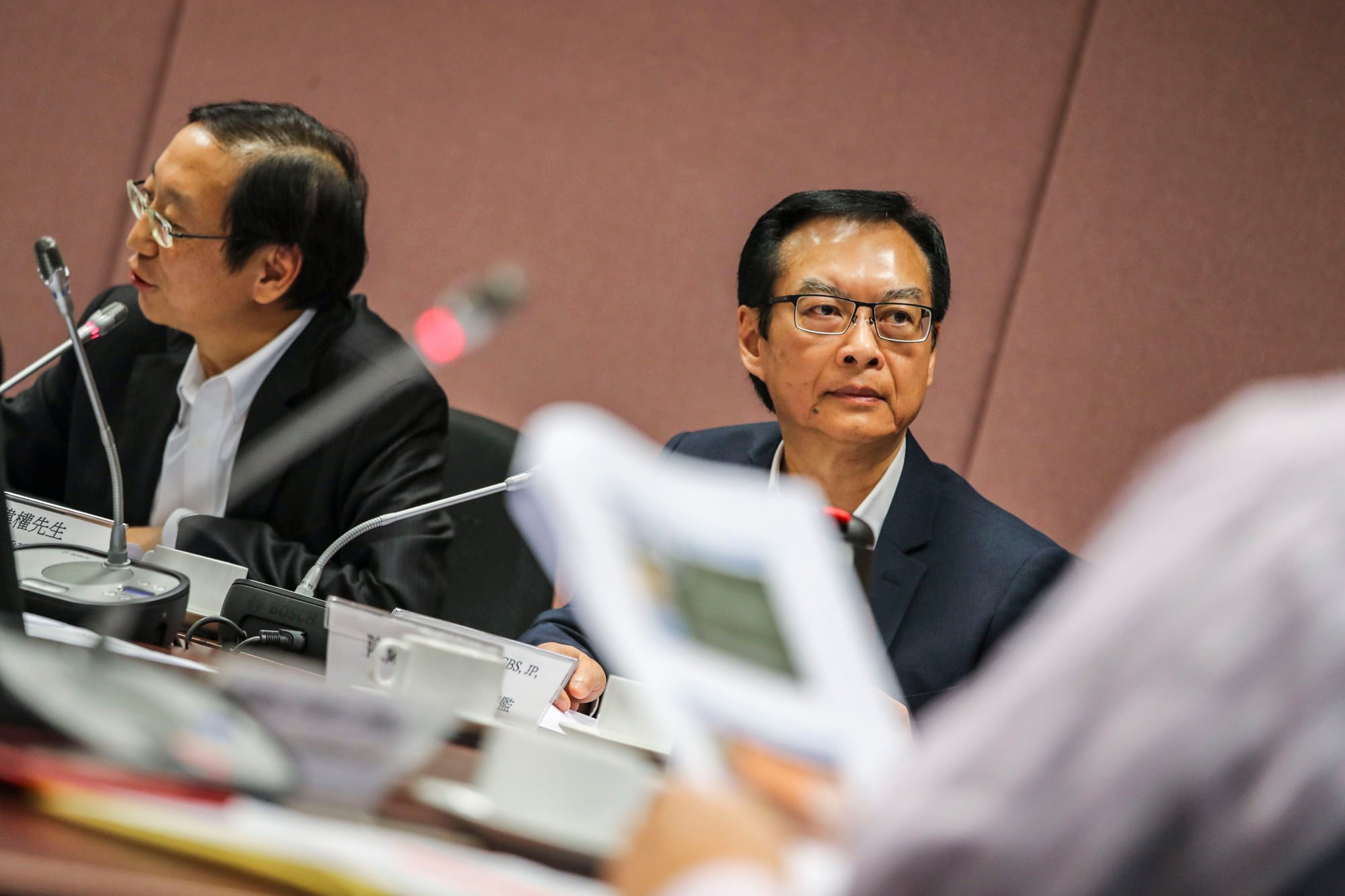
Wai Chi-sing, the authority’s managing director, said it had been a long time since the statutory body had reached out to foreign investors.
“Foreign investors may not be aware of the work carried out by the authority now, as the authority has not issued bonds for a long time,” he said.
The authority issued bonds for the first time back in 2009.
Wai explained that the authority’s promotional efforts had targeted investors from the Asian region because the bonds would be issued in Hong Kong dollars.
The HK$3.9 billion loss recorded for the 2023-24 financial year consists of a HK$3.1 billion provision for projects started in the past which could be devalued, while the remaining HK$830 million was an operational deficit.
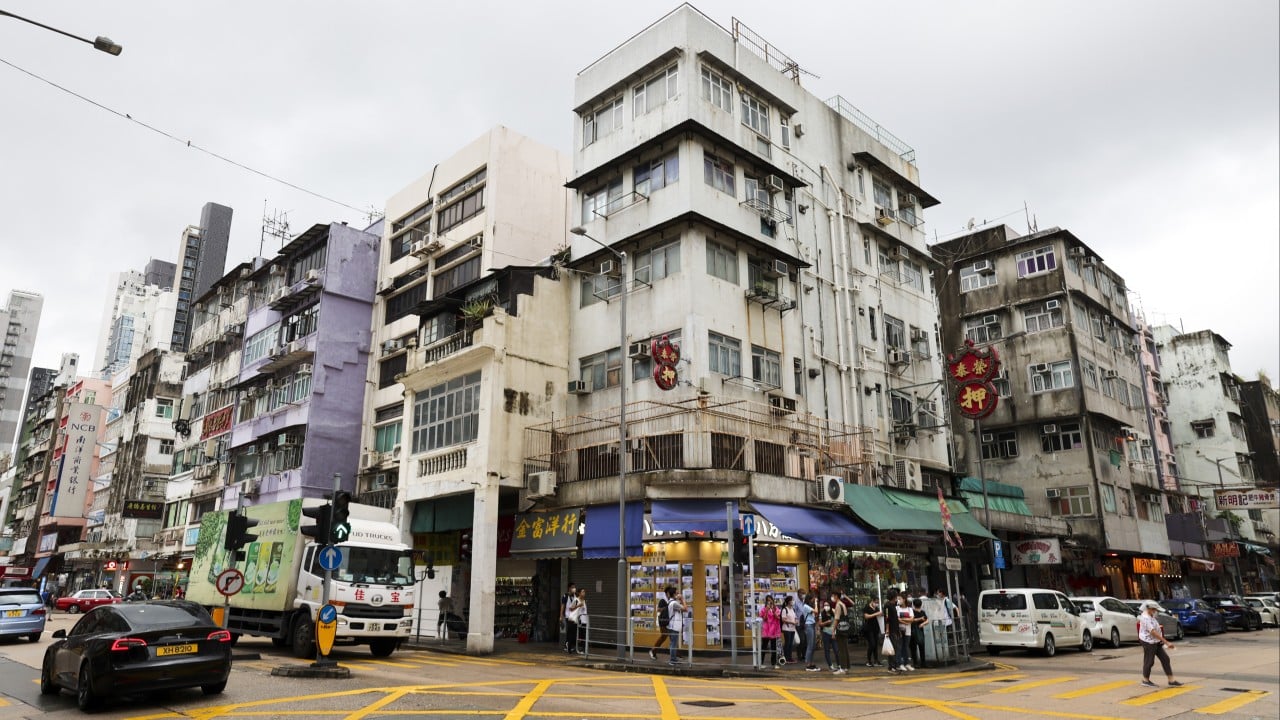
Last year, URA incurred a HK$1.5 billion deficit for a project it put up for tender in Kowloon City. The body is planning to launch five redevelopment projects in To Kwa Wan, Kowloon City, Sai Ying Pun districts this financial year and the next.
The recent downturn in Hong Kong’s property market has led to the URA’s first loss in almost a decade, with a deficit of HK$3.5 billion in the 2022-23 financial year.
The situation is aggravated by the fact that the pool of private buildings that are 50 years old or more in Hong Kong rises by about 560 a year, and is expected to total more than 14,800 by 2031, according to the government’s projection.
Financial Secretary Paul Chan Mo-po also raised its borrowing limit from HK$6 billion to HK$25 billion last year to boost its financing ability. The authority currently enjoys a credit rating of AA+.
Wai said the authority would promote the city’s redevelopments, including the mega project in Kwun Tong town centre, which would yield a total number of 1,750 homes.
The addition of residential elements to the commercial project in Kwun Tong came after a tender for the project received only one bid last February. The tender was eventually withdrawn.
Wai said that the authority had put much effort into communicating with investors and modifying the project’s components and tendering rules.
“The tender of the project would be launched by this year or the beginning of next year and we are confident that it would not be withdrawn this time,” he added.
Authority chairman Chow Chung-kong also said on Monday expressed optimism about the redevelopment project in Kwun Tong, adding that the authority had “modified some of the conditions of the tender this time.”
URA had earlier called for a review of the compensation mechanism, under which owner-occupiers of acquired flats were paid an amount equivalent to the price of a comparable seven-year-old flat in the same district.
The move was part of an effort to ensure the sustainability of the city’s renewal efforts and the authority’s financial health.
But the idea was not welcomed by the development chief, with industry figures asking for incentives to encourage private participation in urban renewal instead.
The Legislative Council is expected to discuss the annual results and future works of the authority on next Monday.